

On Propaganda
A Philosophical Happy Hour on propaganda’s causes, consequences, and cures. The advent of mass communication—beginning with the national newspaper but greatly accelerated first through radio and second, with great totalization, through television—ushered in a new paradigm for shaping the actions of human beings: propaganda. It has been used to impose faux cultural homogeneity, to establish […]
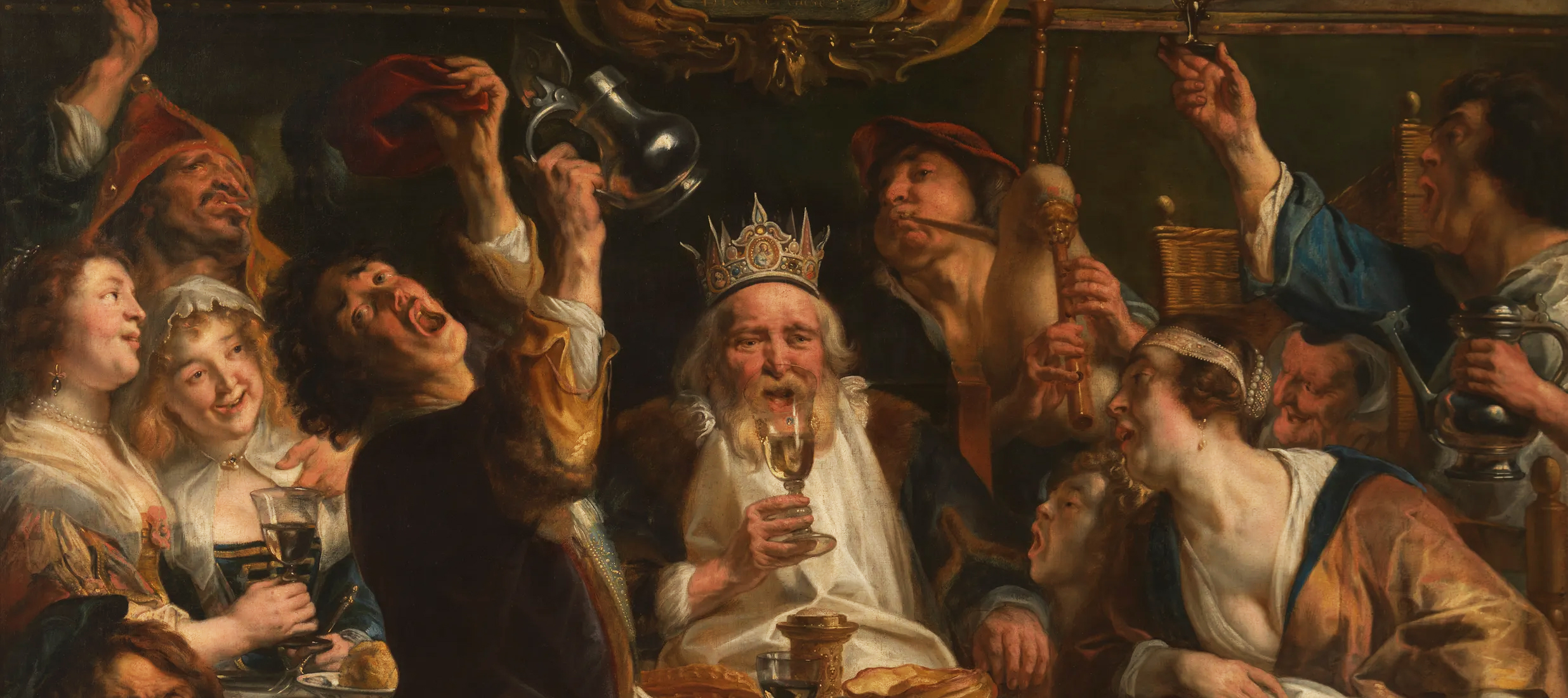
Felicitates de Quodlibet, I.3
A Philosophical Happy Hour on… whatever! Revisiting our Felictates de Quodlibet series, in which we talk about whatever we want, so long as it is interesting, and for as long as we are interested. In the Scholastic university, renowned thinkers would regularly engage in open debate on questions posed by other scholars or students at […]

On the Significance of Fictitious Entities
A Philosophical Happy Hour on the moral, psychological, and cultural significance of fictitious entities in human life. Cultural Role of Fictitious Entities Fictitious entities, myths, and media entertainment saturates much of our cultural ethos and society today. Many references we use and employ, metaphors we construct, the subterranean moralizing messaging we find is more often […]
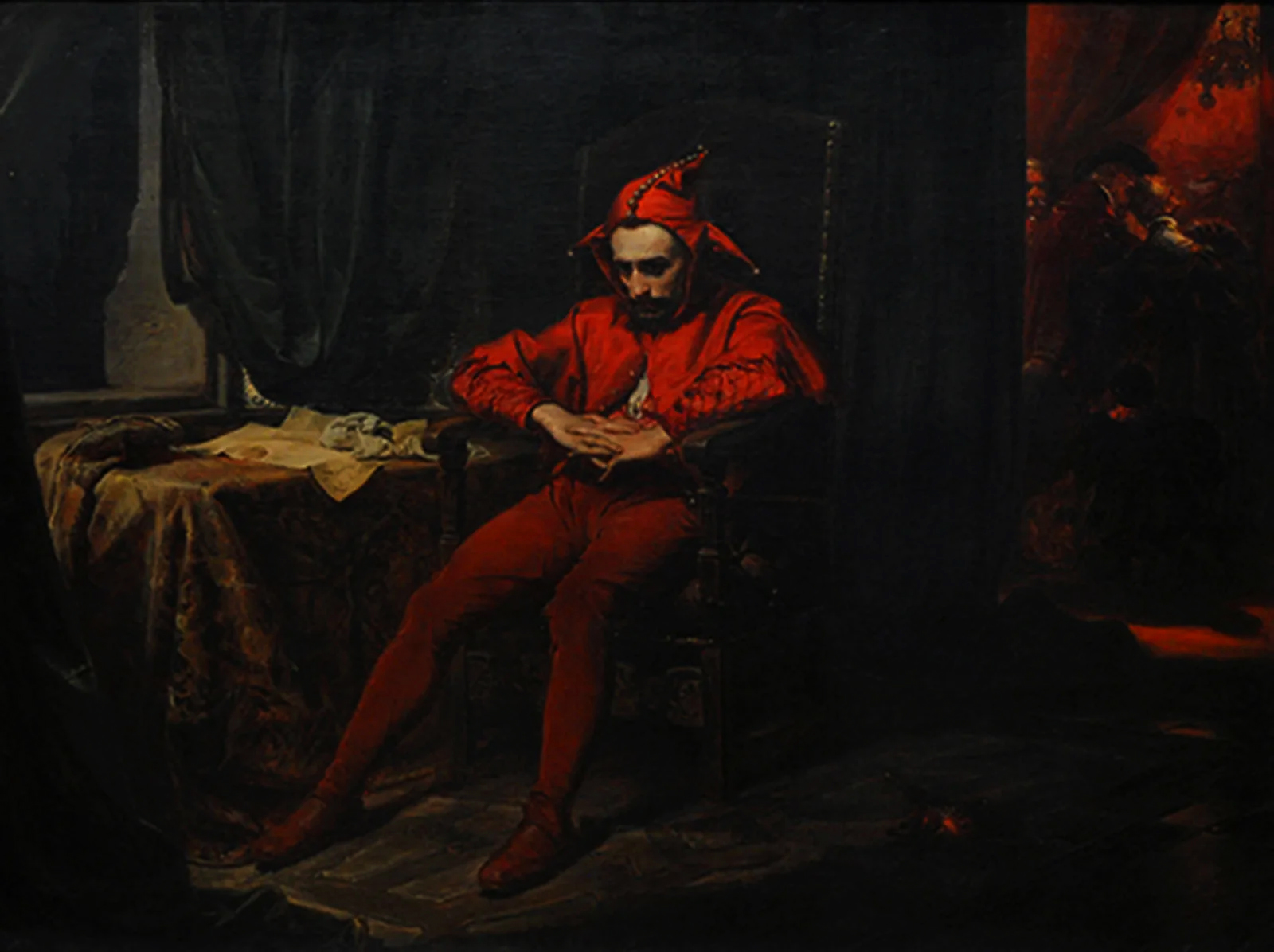
On Comedy
To complement our recent Happy Hour discussion of tragedy, let’s consider the concept of comedy. The Nature and Praxis of Comedy As permits our time and—above all—my supply of shamefully light beer, we shall discuss at our next Happy Hour the nature of comedy and the comedic.[1] To facilitate our chat, I propose we undertake […]
Do You Trust Me?
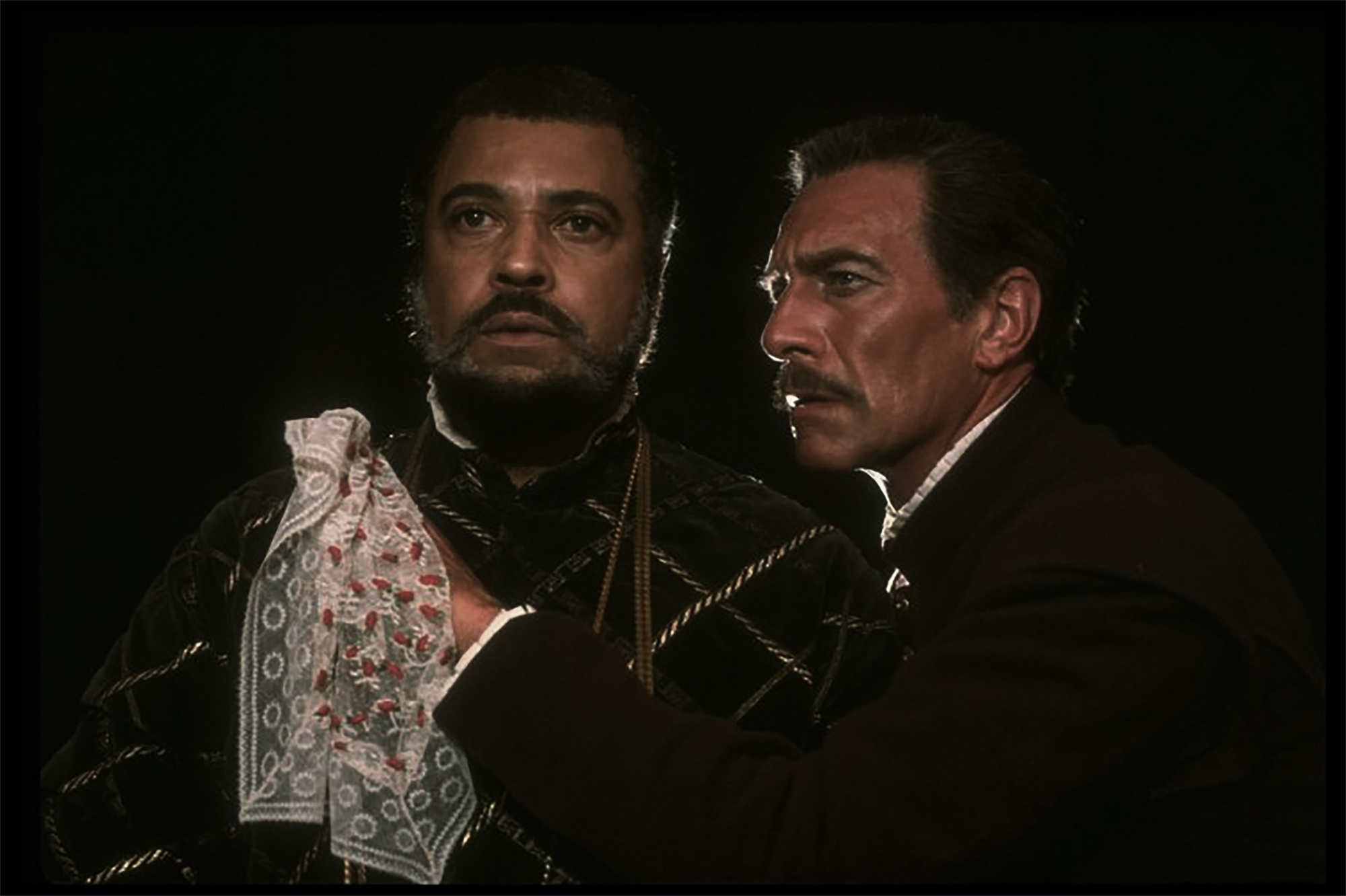
A Philosophical Happy Hour on the reasons for and nature of trust, distrust, and the consequences of breaking it. Image: Christopher Plummer as Iago and James Earl Jones as Othello (Requiescant in Pace). Trust today seems a quality lacking and, yet for which there is great desire. We do not trust our politicians and often […]
On Tragedy
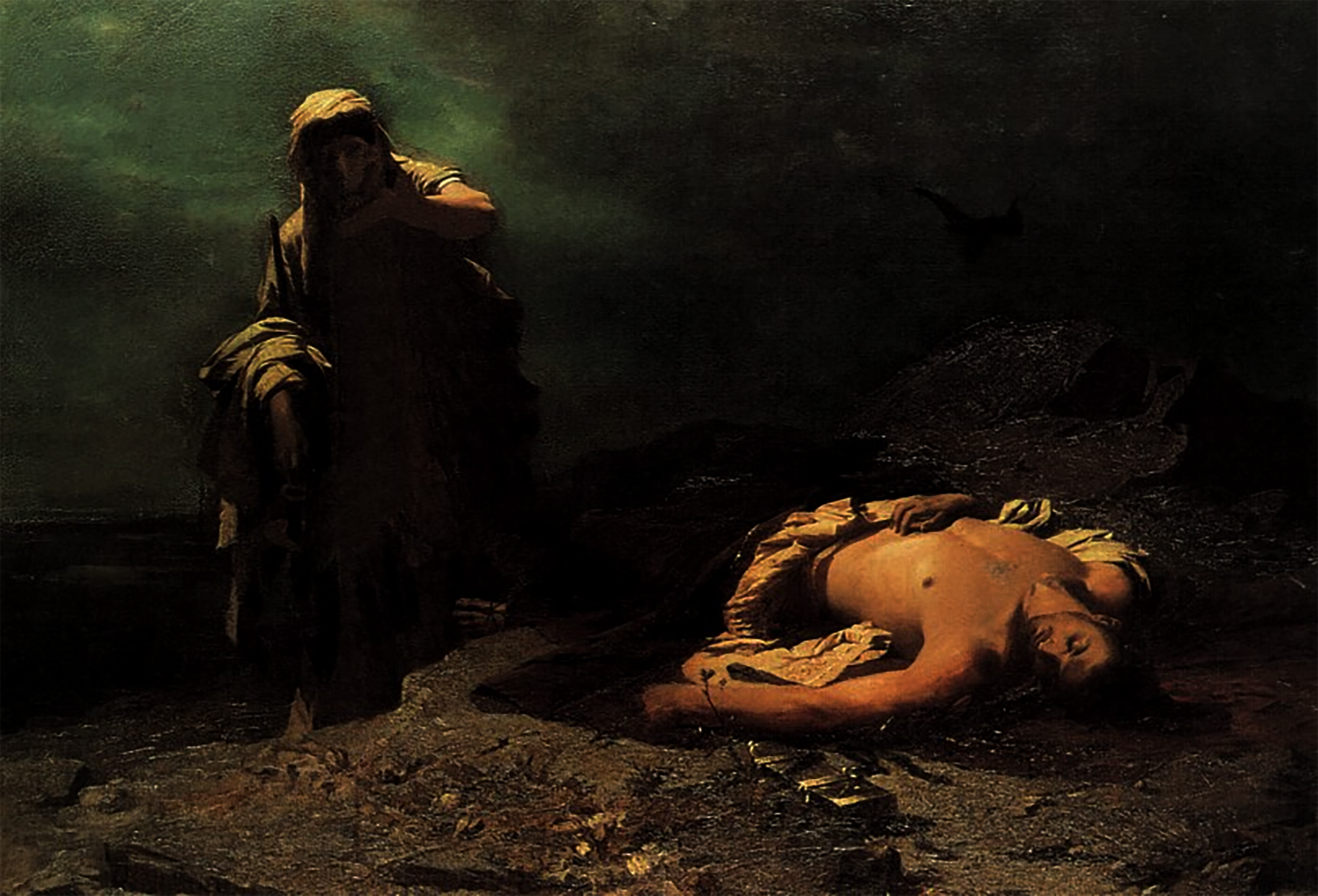
A Philosophical Happy Hour on the nature and purpose of tragedy in both poetic and real experience. Twenty-three years ago, on nearly this day, many of us bore witness to an undoubtedly tragic event—a relative few with our own eyes, most through the television. I do not need to elaborate: only to say that I […]
Felicitates de Quodlibet, I.2
A Philosophical Happy Hour on… whatever! Continuing our Felictates de Quodlibet series, in which we talk about whatever we want, so long as it is interesting. In the Scholastic university, renowned thinkers would regularly engage in open debate on questions posed by other scholars or students at the institution. Most often, these questions would concern […]

On Falsehood, Lies, and Deception
A Philosophical Happy Hour on the distinctions between falsehood, lies, and deception, and the morality of their use “Is lying always wrong? Is lying always lying?” There are two ways, I believe, that we can approach this question. The first evaluates manuals of moral theology or commentaries on ethics, looking for foundational reasons why for […]
On Paradox
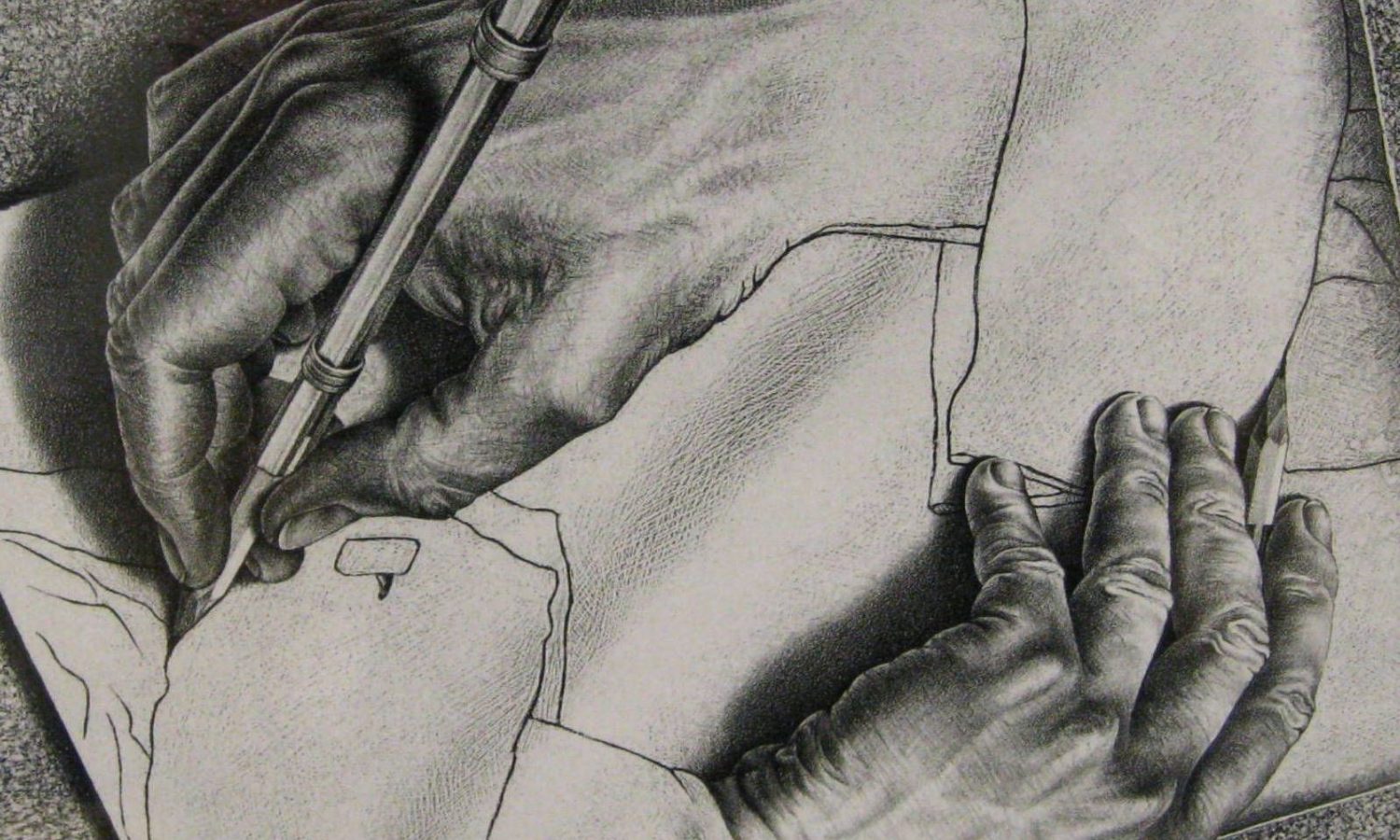
A Philosophical Happy Hour on the role of paradox in carrying out investigations of nature, humanity, and being. “A paradox”, writes the Thomist philosopher Frederick D. Wilhelmsen, “is the tension existing between two apparently opposed propositions which cross one another and thus find themselves at peace.”[1] Wilhelmsen contrasts the paradoxical with the dialectical—understood in the […]
On Consumers and Consumerism
A Philosophical Happy Hour on our having become consumers and how we might escape consumerism. I am uncomfortable in nearly all shopping environments (used bookstores being the primary exception). I do not know when this began—but it became very noticeable to me while in graduate school; perhaps because I was rather poor in those years. […]
