

On the Balance of Work and Study
How can we make time and space in our busy—and seemingly ever busier—lives for the life of the mind? Join our Philosophical Happy Hour this week as we strive together for a more balanced way of life. For much of human history, the life of the mind has been a domain of the privileged few—reserved, […]
On Imperfection and Error
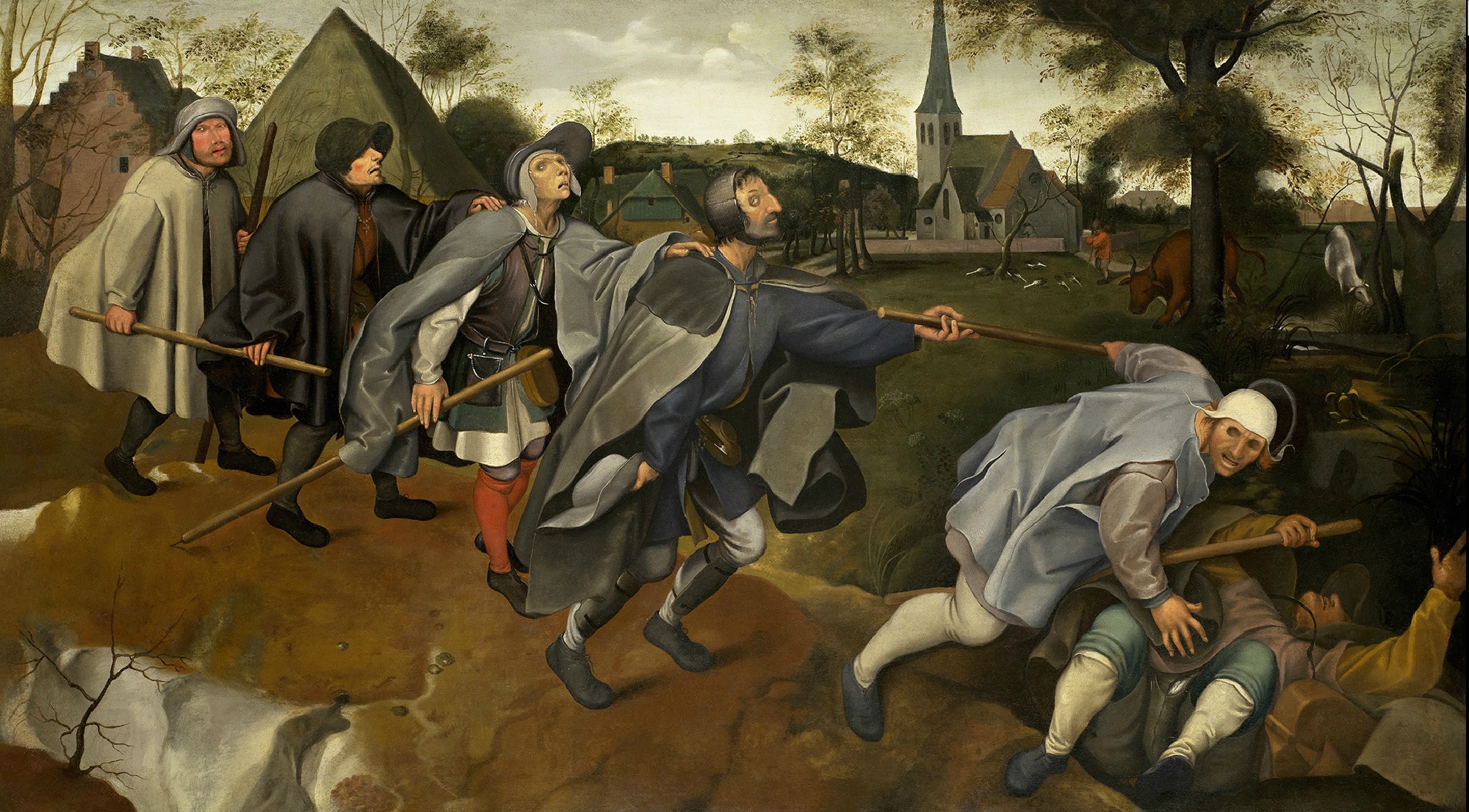
Why is life imperfect? Why are human beings so deeply flawed? This week’s Philosophical Happy Hour looks at the imperfections and errors that characterize life—both those given to nature and those produced by our own choices. To err is to be human. Is this a maxim for forgiveness or to excuse our follies? In some […]
What Does AI Use Do To Us?
As AI use becomes increasingly widespread in the world, it becomes a pressing question to ask not only what effects it might produce in the world, but what consequences it has for users and their habits—and for the environment of thinking as a whole. Introducing SEPPUAI: A Semioethical Framework for Artificial Intelligence The Lyceum Institute […]

On Our Need for Truth
A Philosophical Happy Hour investigating the nature and definition of truth, and its necessity for our living good lives. Do we need truth to live good lives? Do all human beings? And if so—what is the truth? How do we know it? Who “has” it? Where do we find it? What do we really mean […]
On Testimony: Rhetoric, Witnesses, and the Problem of Trust
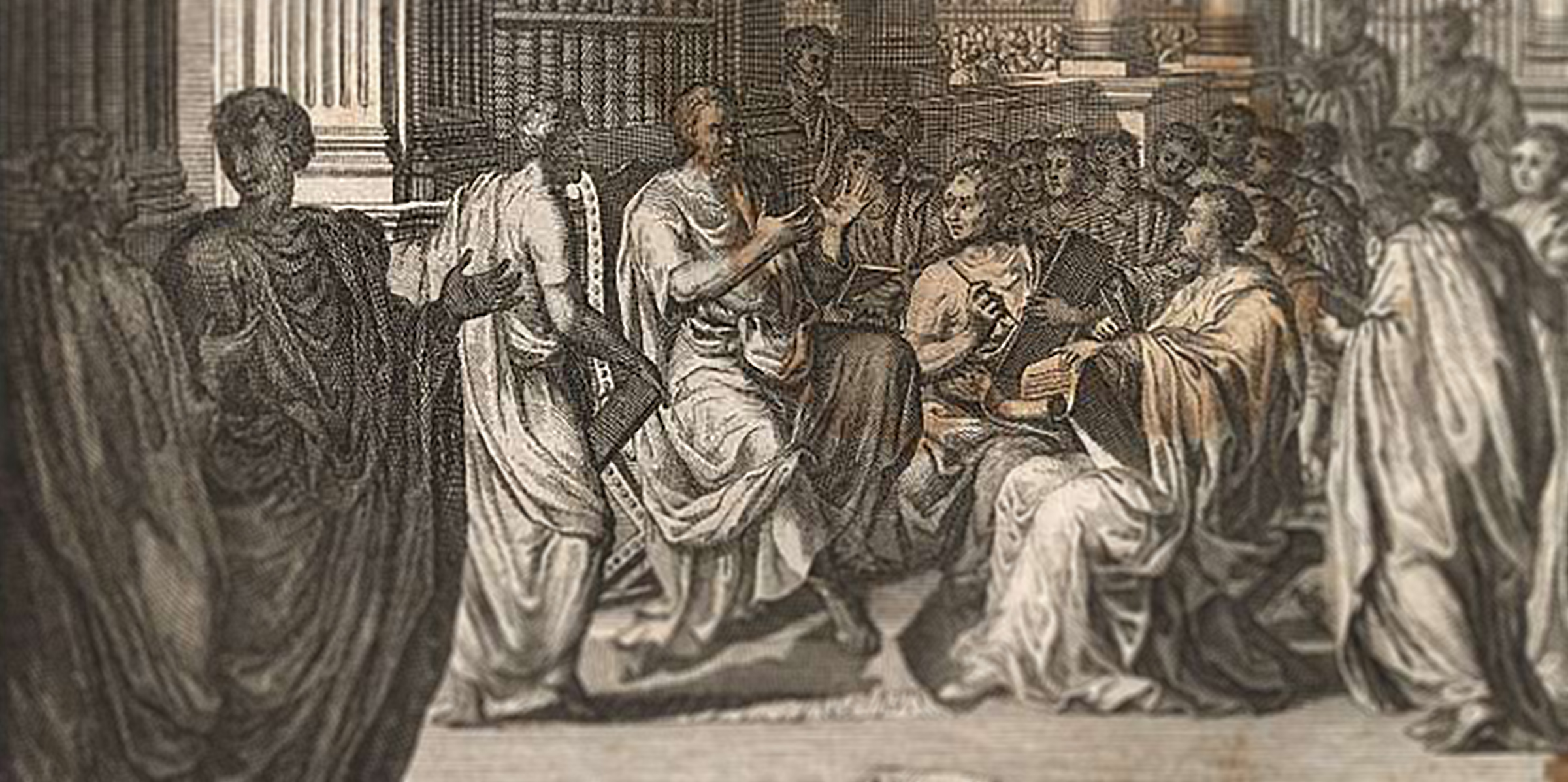
A Philosophical Happy Hour investigating the rhetorical use and fittingness of witness testimony in efforts at persuasion. Very little of what we know—or believe ourselves to know—comes directly from our own experience. That is, someone might have a kind of local familiarity with things, but he has never seen Africa or Asia, never observed distant […]

Second Plenary Speaker – Human Formation in the Digital Age
From 16-17 September 2026, in St. Louis Missouri, the Lyceum Institute is hosting our first in-person event, Human Formation in the Digital Age: a conference asking how we must respond to our changed and rapidly changing technological environments in seeking to retrieve and foster a genuine formation of the human person. Here we announce our […]
First Plenary Speaker – Human Formation in the Digital Age
From 16-17 September 2026, in St. Louis Missouri, the Lyceum Institute is hosting our first in-person event, Human Formation in the Digital Age: a conference asking how we must respond to our changed and rapidly changing technological environments in seeking to retrieve and foster a genuine formation of the human person. Here we announce our […]

Felicitates de Quodlibet, III.4
A Philosophical Happy Hour on… whatever! The fourth installment in our Felictates de Quodlibet series for 2026, in which we talk about whatever we want, so long as it is interesting, and for as long as we are interested. Or, to put this otherwise: do you have a philosophical question—any question whatsoever—you want seriously to […]
On Fate and Choice
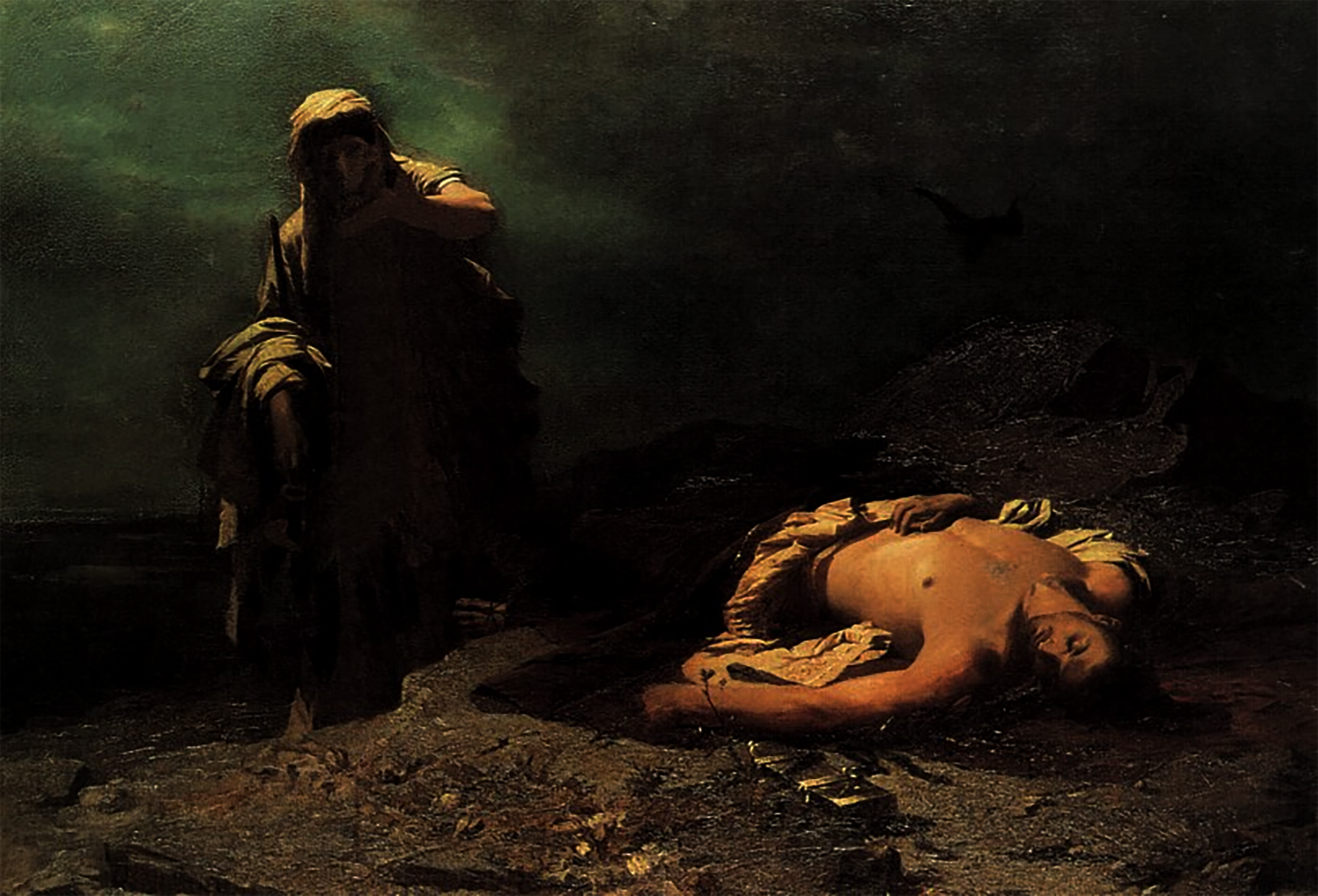
A Philosophical Happy Hour discussing fate, providence, and the limits of human free choice. What determines the course of a human life? Some might answer this question by appealing to choice: you are what you choose to be. Others might blame circumstances: being born into wealth or poverty of money or genes, suffering youthful traumas, […]
Retrospect: Retrieving Dialectic in a “Rhetorical” Age
Recapitulating our Philosophical Happy Hour on the history, nature, meaning, and importance of dialectic. A few key insights derived from our Happy Hour: First, outside rare situations, Aristotelian dialectic has become almost impossible in the US (and many other countries as well). This near-impossibility has rendered many persons not only unfamiliar with the practice, but […]
