

On Morality, Law, and the Exercise of Choice
A Philosophical Happy Hour on the relationship between morality and law, and what falls to our exercise of choice. St. Thomas Aquinas defines law as an ordinance of reason ordered to the common good, promulgated by one who holds responsibility for the community. This broad but precise definition allows us to distinguish kinds of law […]
Who is My Enemy?

A Philosophical Happy Hour inquiring into the nature of enmity, the distinction of public and personal enemies, and the morally rightful manner of holding oneself in opposition to others. We hear a lot these days about friends and enemies, and—it seems—not unreasonably. The world seems awash in hostility. But what is it, in fact, that […]
The Suffering of Age
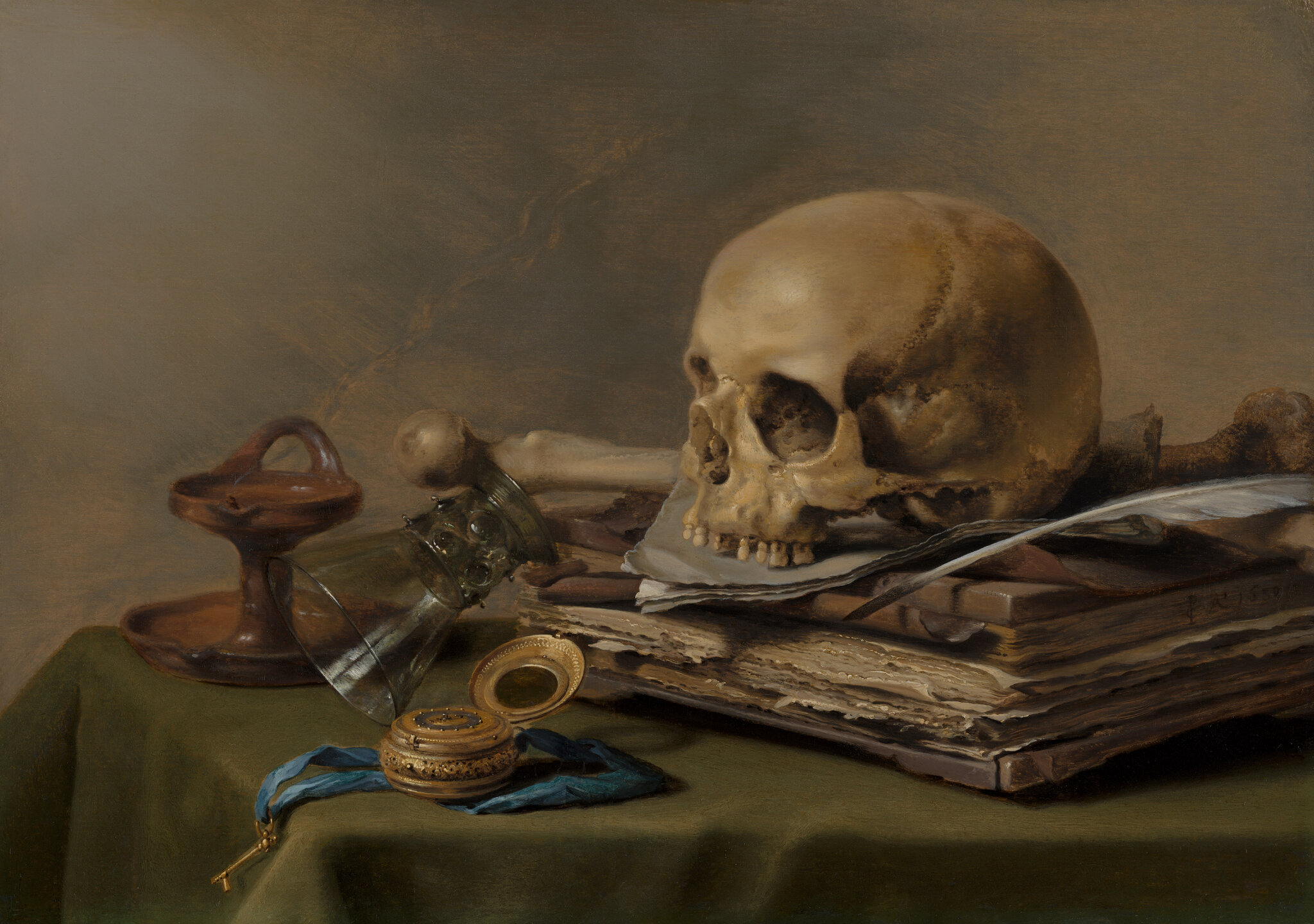
A Philosophical Happy Hour making phenomenological investigation into the experience of aging—bodily, mentally, spiritually, morally, as carried out in action and passion from conception until death. We mark the passing years in many ways. Anniversaries of first dates, of engagements, of weddings, of ordinations, of foundings for countries and companies alike—each noted by the year […]

Humility: Wellspring of Virtue, or Cowardice in Disguise?
A Philosophical Happy Hour on the nature of humility and its status in contemporary society. What is Humility? For reasons personal, professional, and perhaps preposterous, I’m attempting to learn French. However, I must confess: I am having a rough go of it. Though I’ve a bit of a knack for picking up languages, I nonetheless […]

On Angelic Beings
A Philosophical Happy Hour on why we should care about angelic beings and seek understanding of their existence. Nearly every culture in human history has voiced belief in supernatural beings—forces beyond our reckoning that possess powers to shape and change the world. Indeed, any honest inquiry into the world, the cosmos, shows us wonders beyond […]
On What Could Be
A Philosophical Happy Hour on the distinction of potentiality and possibility in both being and knowing. When we speak about what “could be”, we often unthinkingly use the words “possible” and “potential” as though they were interchangeable. Yet beneath this ordinary use lies a subtle but nevertheless important distinction: a distinction that reaches into the […]
On Limits to the Freedom of Expression
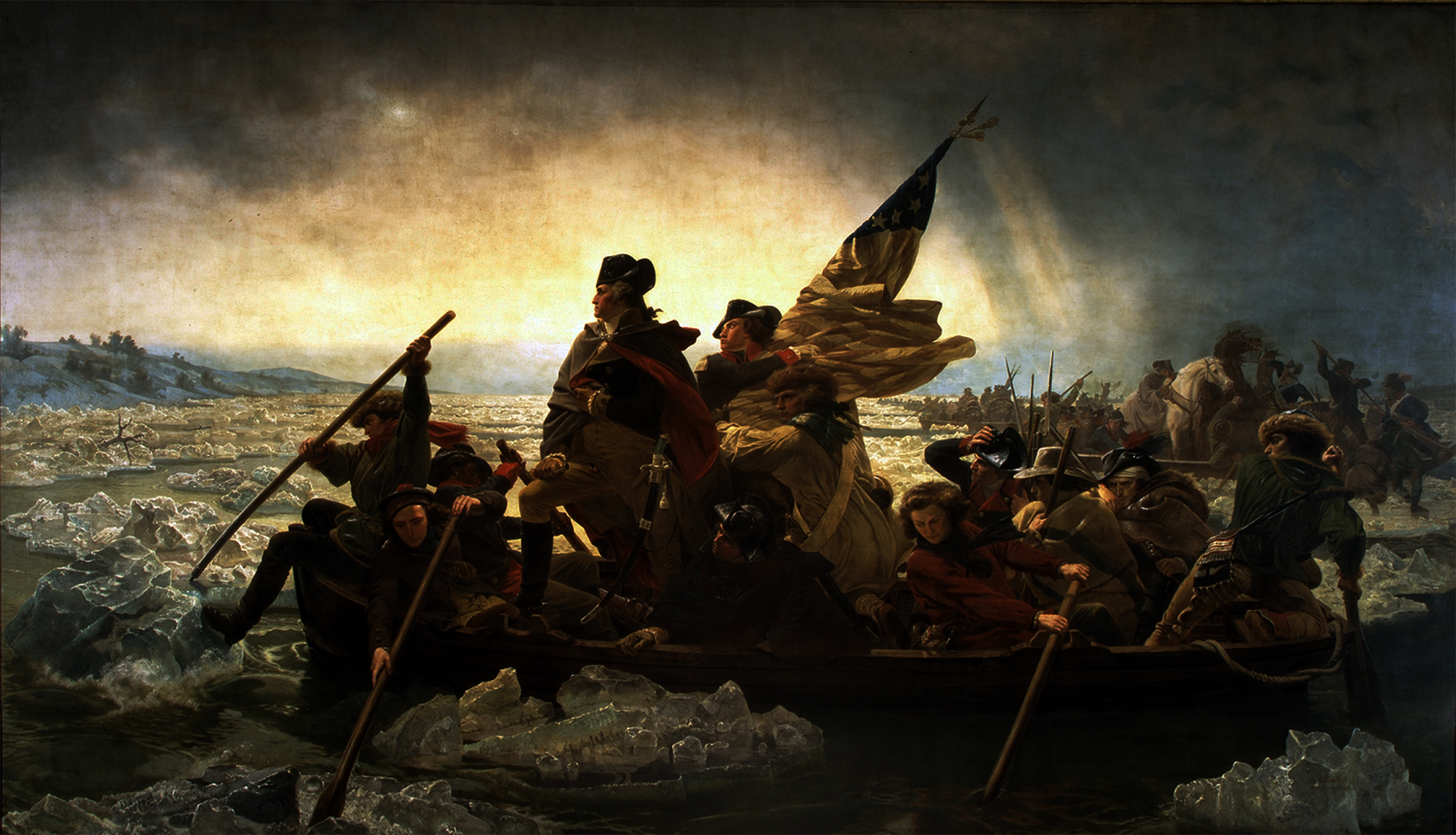
A Philosophical Happy Hour on an issue of perennial contention in liberal democracies everywhere: where do we draw the lines around the freedom of expression? In his dissent from the Supreme Court’s 7-2 ruling in Abrams et al. v. United States, Oliver Wendell Holmes Jr. wrote this since-famous line: “the ultimate good desired is better […]

On the Recovery of Time
A Philosophical Happy Hour exploring the experience of time, its loss, and the possible paths to its recovery. Imagine yourself outdoors and alone—truly alone. No friends, no family, no strangers. No living human being in sight, no voice close enough to be heard (or ears to hear). No phone; no connection to anything but the […]
On Christianity and the Interpretation of Philosophy
A Philosophical Happy Hour on the influences of Christian belief on philosophical interpretation, and of philosophical wisdom on the practice of the Christian faith. Is there such a thing as “Christian philosophy”? Today, thinking of antiquity draws new interest. The texts of Plato and Aristotle, Plotinus and Porphyry—even the fragments of Parmenides and Heraclitus, the […]

On Violence
A Philosophical Happy Hour on the concept of violence, both physical and cognitive. When I was five years old, I was hit in the face with a croquet mallet, and not gently. It was an accident—the consequence of mutual carelessness between my brother and I while goofing around in the garage one evening, neither paying […]
