
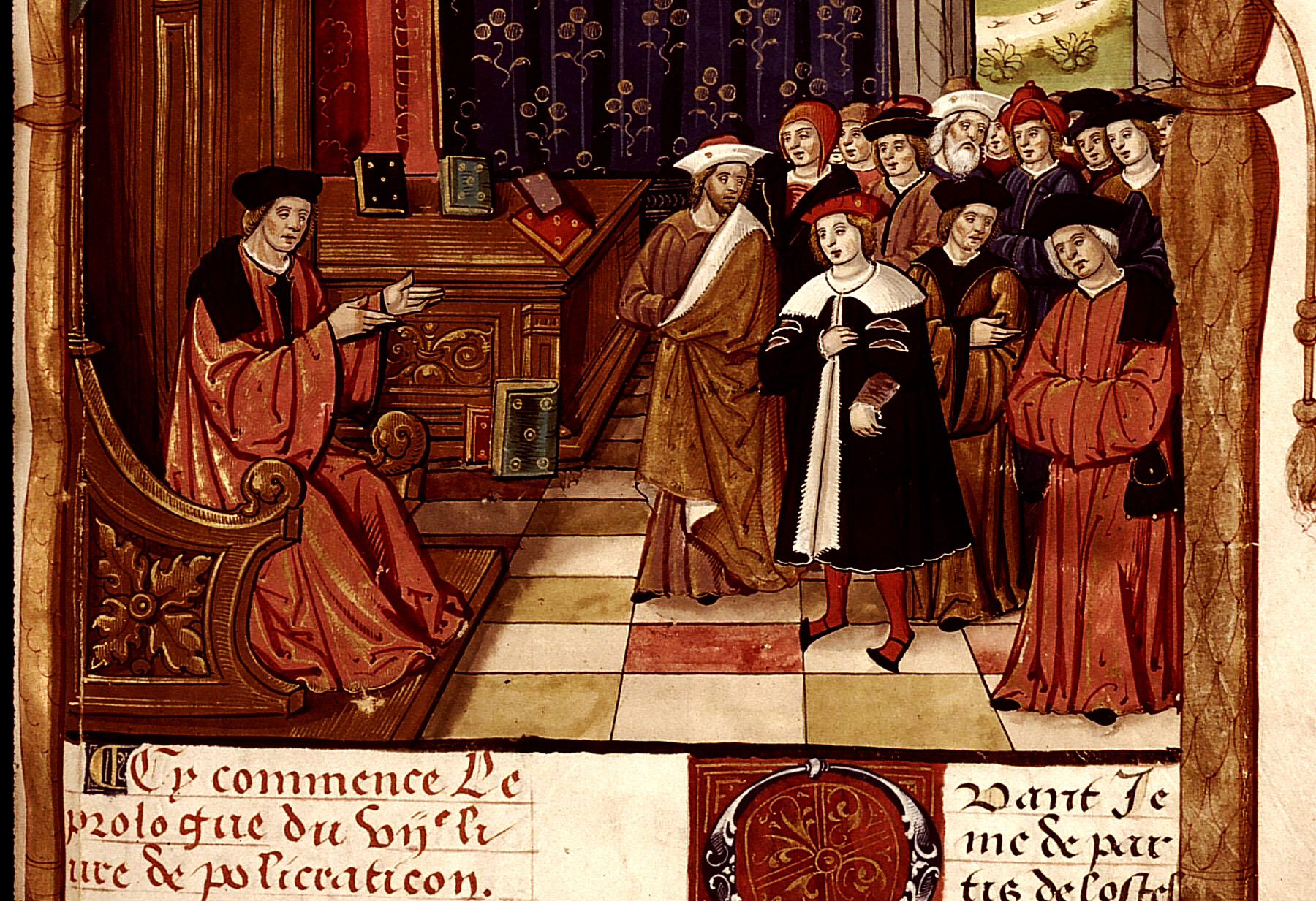
On the Problem of Education
A Philosophical Happy Hour concerning the problem of universal education: should we educate everyone? To what extent? How? Why (not)? If we look today at the results of universal education, particularly over the past century, we may think that its institution was a mistake. The results are those of decline. High test scores in a […]

Discovering Meaning in the Cosmos
A Philosophical Happy Hour on the struggle against nihilism—cosmological and psychological—and inadequate methods to assure ourselves of meaning in the cosmos. What is meaning? What do we mean when we say the word? What does the word signify? It is one of those funny words that everyone seemingly believes himself to know and yet which […]
On Stoicism
A Philosophical Happy Hour questioning the essence and reanimation of Stoicism, Ancient and New. “Demand not that events should happen as you wish”, writes the Stoic philosopher Epictetus (c.50–135ad), “but wish them to happen as they do happen, and you will go on well.”[1] Is this profound wisdom—or a bumper-sticker philosophy? Or consider what this […]

On Restoring Humanity
A Philosophical Happy Hour continuing our investigation into economics, politics, Catholic Social teaching, and the restoration of the good life for humanity. Last week, our Philosophical Happy Hour asked what Rerum Novarum, the 1891 Encyclical promulgated by Pope Leo XIII—and chief inspiration for the newly-elected Pope Leo XIV’s choice of name—could tell us about the […]

On Rerum Novarum and the Future of Human Society
A Philosophical Happy Hour investigating the Encyclical of Pope Leo XIII, Rerum Novarum, highlighting key passages and inquiring into their relevance today for considering the future of human society. Rerum novarum semel excitata cupidine, Pope Leo XII begins his famed Encyclical of 1891, “The desire of new things once having been aroused”, passes beyond the […]
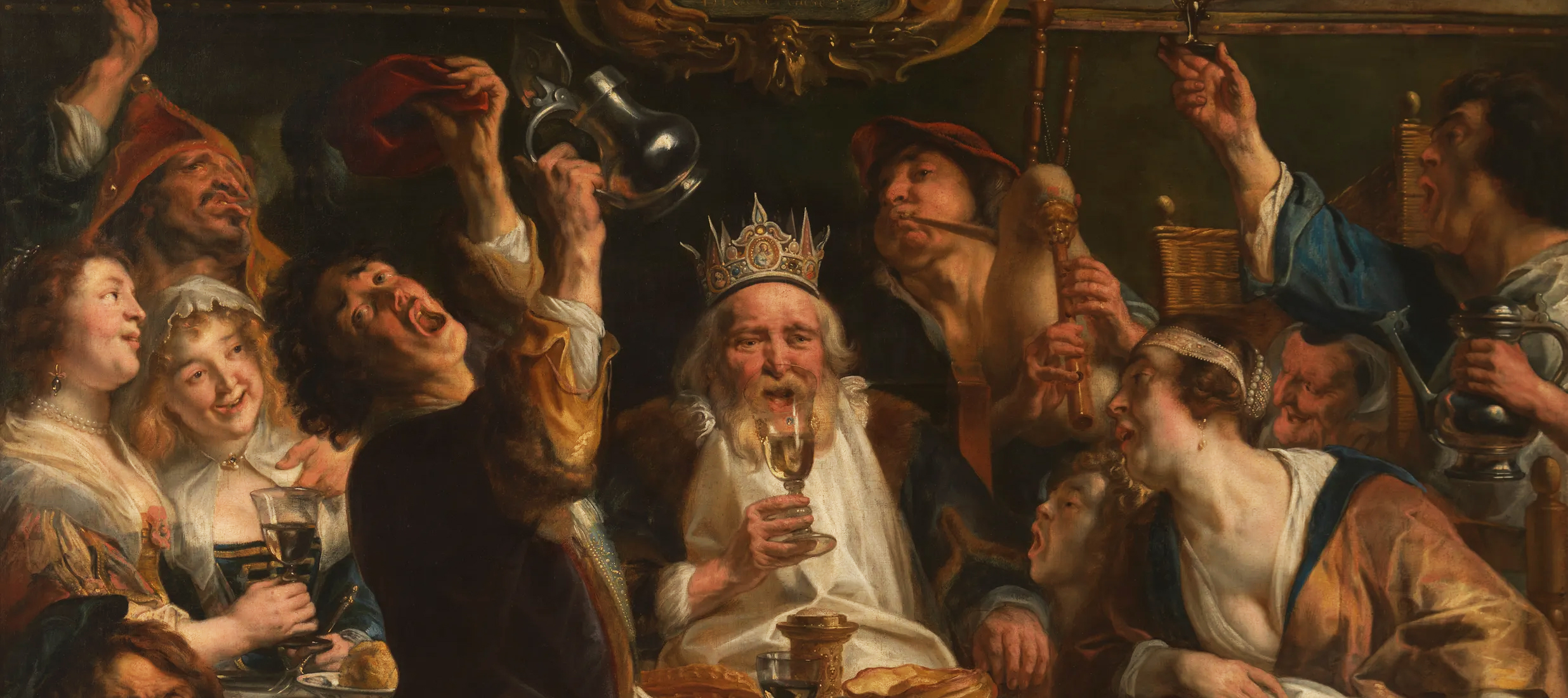
Felicitates de Quodlibet, II.2
A Philosophical Happy Hour on… whatever! The second installment in our Felictates de Quodlibet series for 2025, in which we talk about whatever we want, so long as it is interesting, and for as long as we are interested. Or, to put this otherwise: do you have a philosophical question—any question whatsoever—you want seriously to […]
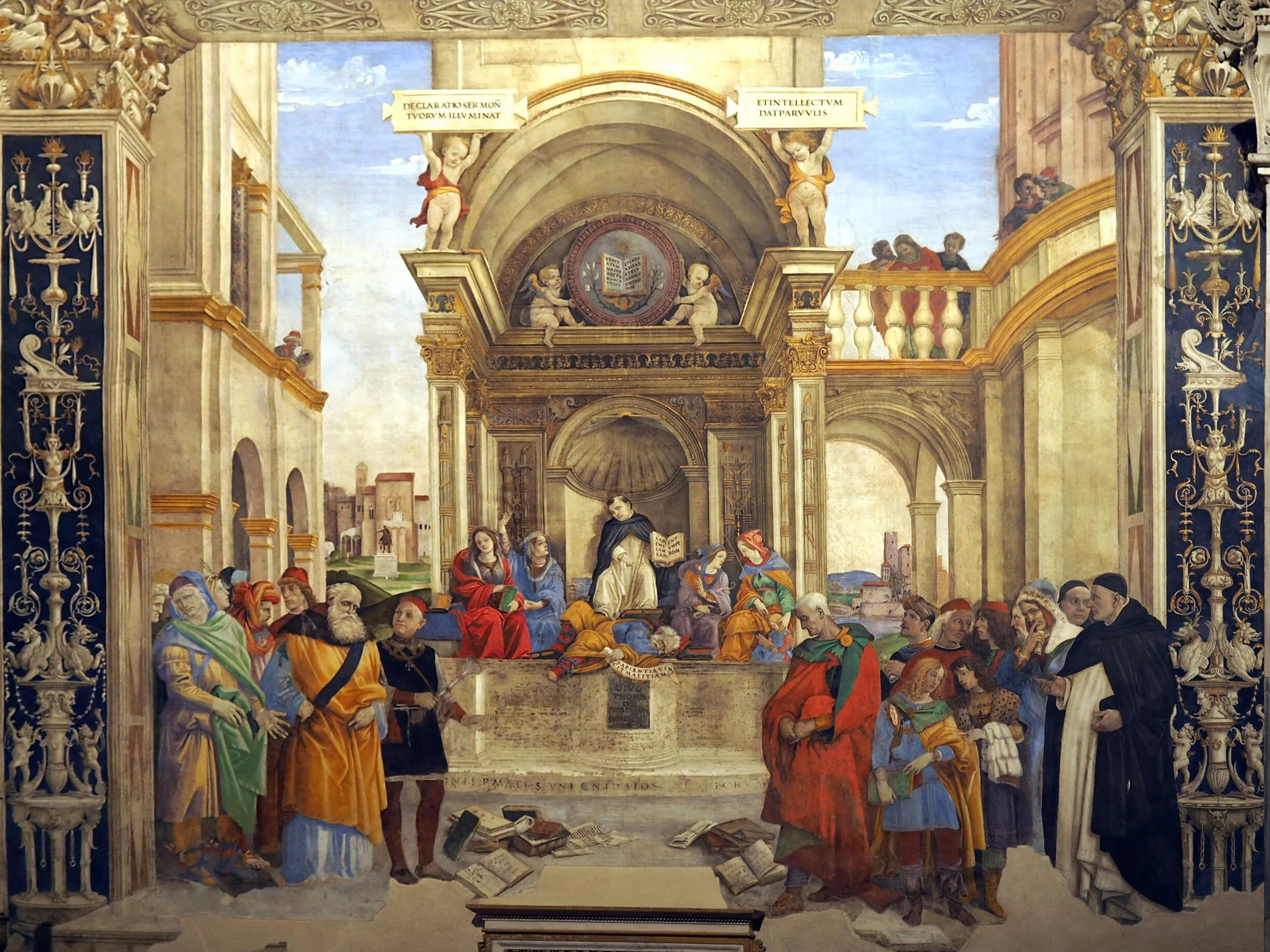
On the Relation of Reason to Faith
In this Philosophical Happy Hour we will turn our attention to the ever-persistent question of the relation between faith and reason. How should we understand the relationship between faith and reason? We will explore this question through the sharp and illuminating lens of St. Thomas Aquinas in his commentary on Boethius’ De Trinitate, specifically question […]

On Authentic Play
A Philosophical Happy Hour investigating the nature, significance, and importance of authentic play. What does it mean to play? Though we are all acquainted with play from an early age, we might be hard-pressed nonetheless to define it. On the one hand, it seems something common to higher animals: not only our pets—dogs and cats—but […]

On the Postmodern, Postliberal, and Postacademic
A Philosophical Happy Hour on the meaning of the postliberal, the postmodern, and the postacademic—and what we signify by “post-”. We do not think often enough about the meanings of words, especially those that have entered into the popular lexicon. The term ‘postmodern’ provides a good example of this unthinking, and in two ways. First […]

On the Experience of Evil in Our Souls
A Philosophical Happy Hour on the question: do we (some of us, all of us) need to experience evil—even sin, that experience of our own moral fault—in order to discover and know the good? Drawing upon some of the works of the great tradition, a member asks the question: “to what extent is it important […]
