

On Authentic Play
A Philosophical Happy Hour investigating the nature, significance, and importance of authentic play. What does it mean to play? Though we are all acquainted with play from an early age, we might be hard-pressed nonetheless to define it. On the one hand, it seems something common to higher animals: not only our pets—dogs and cats—but […]
On the Significance of Death
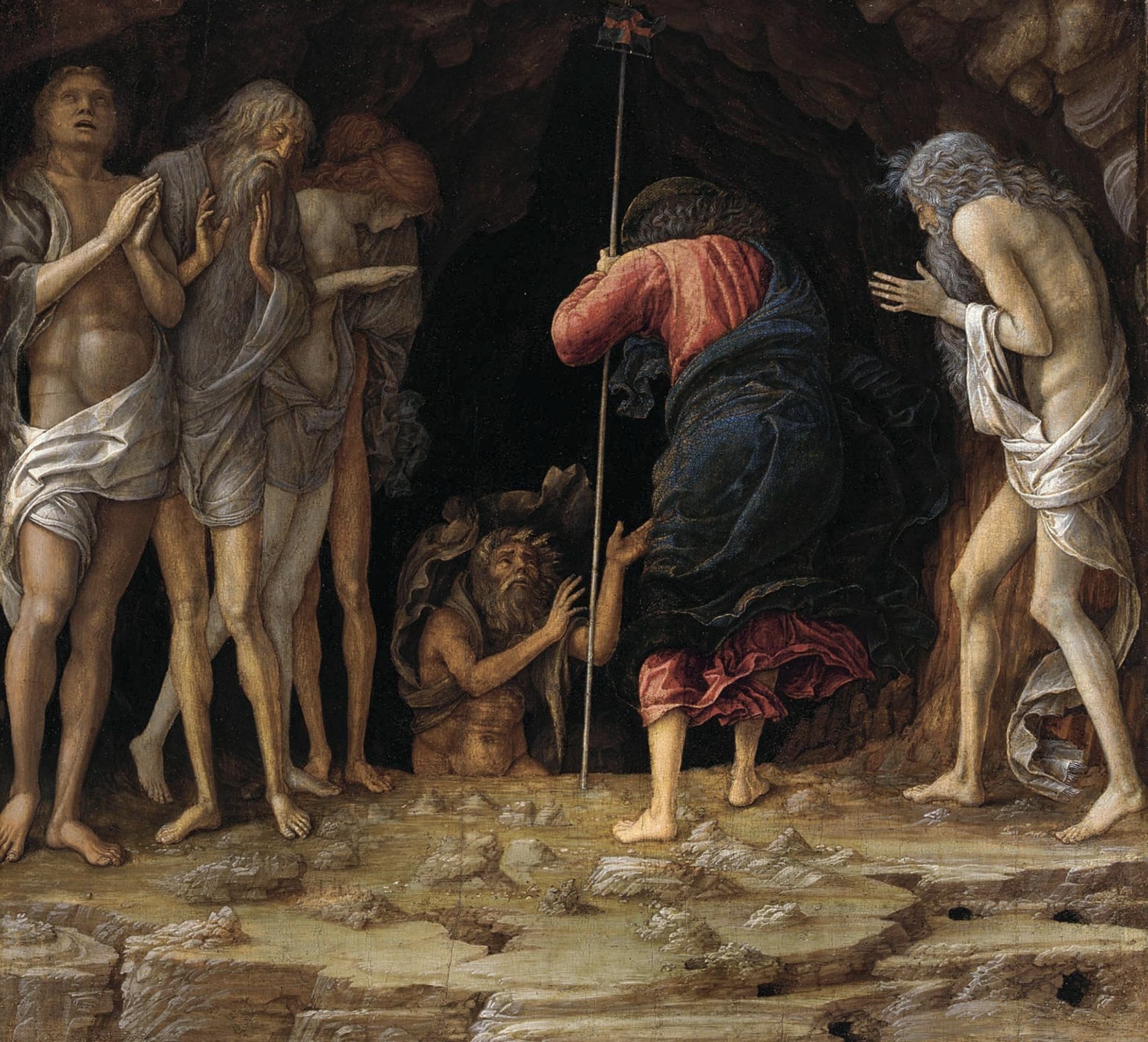
An essay on avoidance of thought about the significance of death. By now, even without knowing much about him, I suspect that most people have likely heard of Bryan Johnson, the men employing the most extreme and elaborate (and expensive) anti-aging protocol in recorded history. Johnson believes that, through the use of medicine, scientific understanding, […]

Building a New Institution: A Campaign for the Future of Education
The Future of Education We are in the midst of institutional collapse, set in motion by endless educational confusions. The places once trusted to lead us to wisdom have become hollow shells—reduced to content delivery and credentialing. Reforming the extant model of education is not enough. We need to build new institutions, institutions capable of […]

On the Postmodern, Postliberal, and Postacademic
A Philosophical Happy Hour on the meaning of the postliberal, the postmodern, and the postacademic—and what we signify by “post-”. We do not think often enough about the meanings of words, especially those that have entered into the popular lexicon. The term ‘postmodern’ provides a good example of this unthinking, and in two ways. First […]

On the Experience of Evil in Our Souls
A Philosophical Happy Hour on the question: do we (some of us, all of us) need to experience evil—even sin, that experience of our own moral fault—in order to discover and know the good? Drawing upon some of the works of the great tradition, a member asks the question: “to what extent is it important […]

On the Future of Education and Technology
A Philosophical Happy Hour discussing education and technology in light of the first entry in Adam Pugen’s “Future is Technoclassical” article. In a recent article, published here on the Peripatetic Periodical, Faculty Fellow Adam Pugen investigates the resurgence in “classical education” that has been affected through the digital environment. The precise nature of this technologically-mediated […]

On Slicing Through “Conspiracy Theories”
A Philosophical Happy Hour on how we ought to approach conspiracy theories.“The truth is out there”? Human history finds itself interwoven, in every age, with falsehood. We suffer, to steal a phrase of Umberto Eco’s, a “fatal imbalance between story and plot”—between what underlies, the reality, and what sits atop, the narrative. In recent years, […]
The Future is Technoclassical: Signs of the McLuhan Century (Part One)
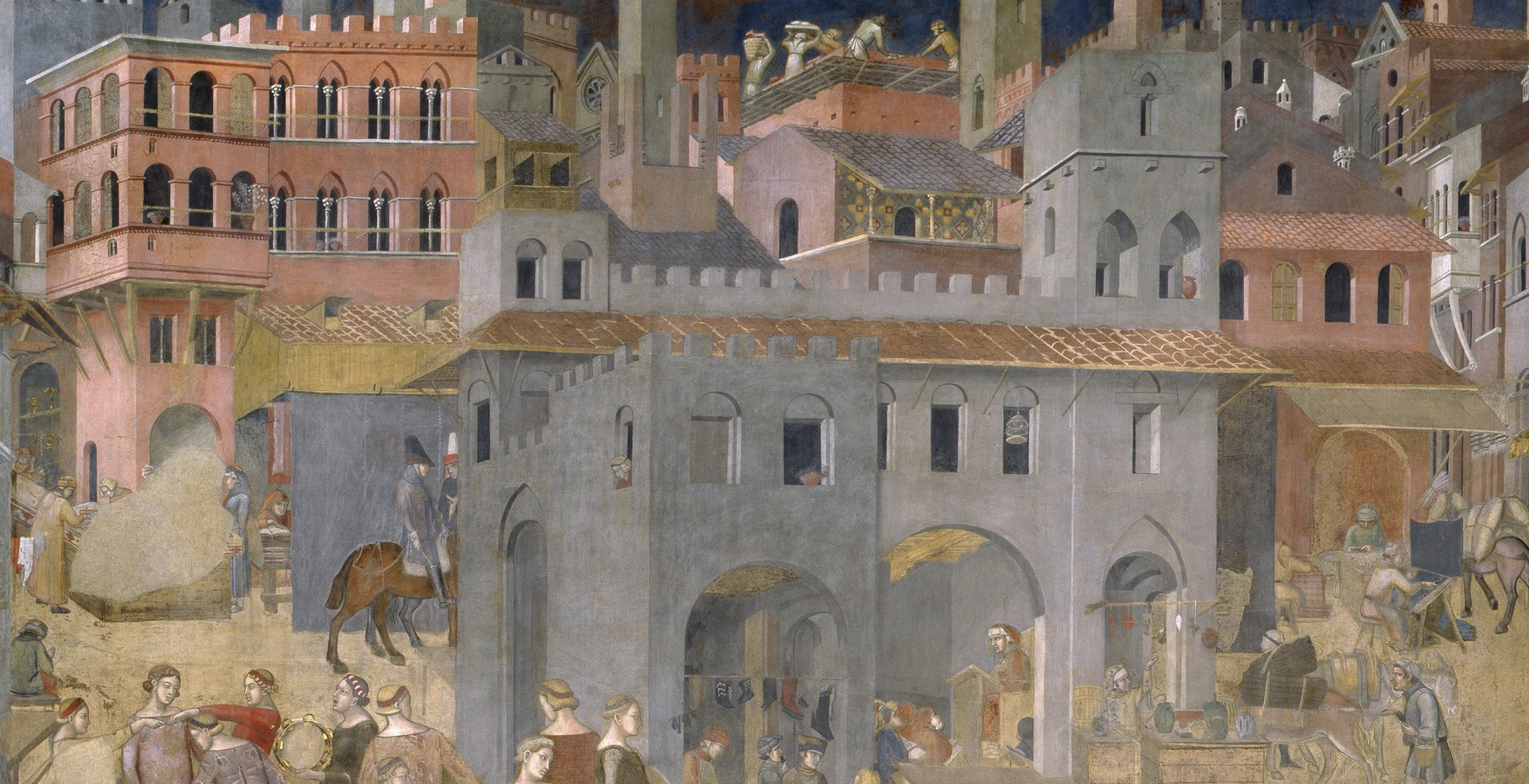
It is fairly straightforward (and glum) to observe that our culture’s dependence on, and even reverence for, technological innovation has, in large part, led to the widespread displacement of the humanities by STEM (Science, Technology, Engineering, and Mathematics) in institutions of higher learning. Nevertheless, the perhaps unexpected ways in which our technological culture is implicated […]

On the Thought of Immanuel Kant
A Philosophical Happy Hour on the structure and merits of Immanuel Kant’s key contributions to theories of knowledge and morality. Immanuel Kant’s philosophy remains a turning point in the history of thought, one that has shaped not only modern theories of knowledge—which “epistemology” has wound its way into countless other domains of human activity—but also […]

Spring Seminars [2025 Q2]
Announcing enrollment for our two Spring Seminars: Culture: More than Aesthetics and Thomistic Psychology: The Life of Thought. Culture: More than Aesthetics Thinking of art, we tend to think of the beautiful—and rightly so, for this, in some way, is to what all art aspires: if not directly, then indirectly, inasmuch as even the simple […]
