
To Will or Not To Will (That is the Question)?
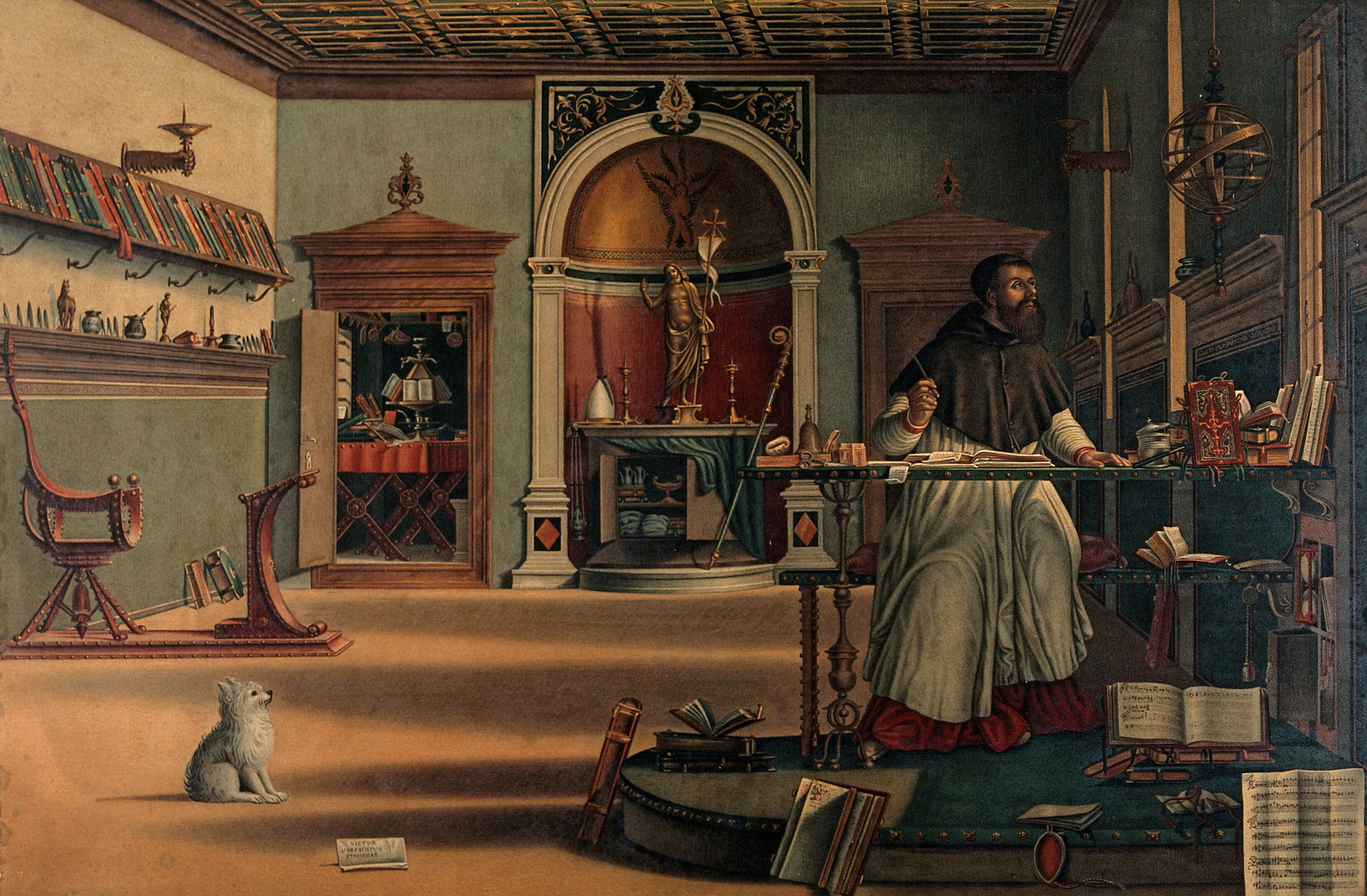
A Philosophical Happy Hour on the act of will, and the question: what does it mean to say that our will is free? What makes a will good? A common staple of western philosophical anthropology is arguing or asserting there is such a thing as a human will, a driving force or the part of […]
On “Idols of the Mind”
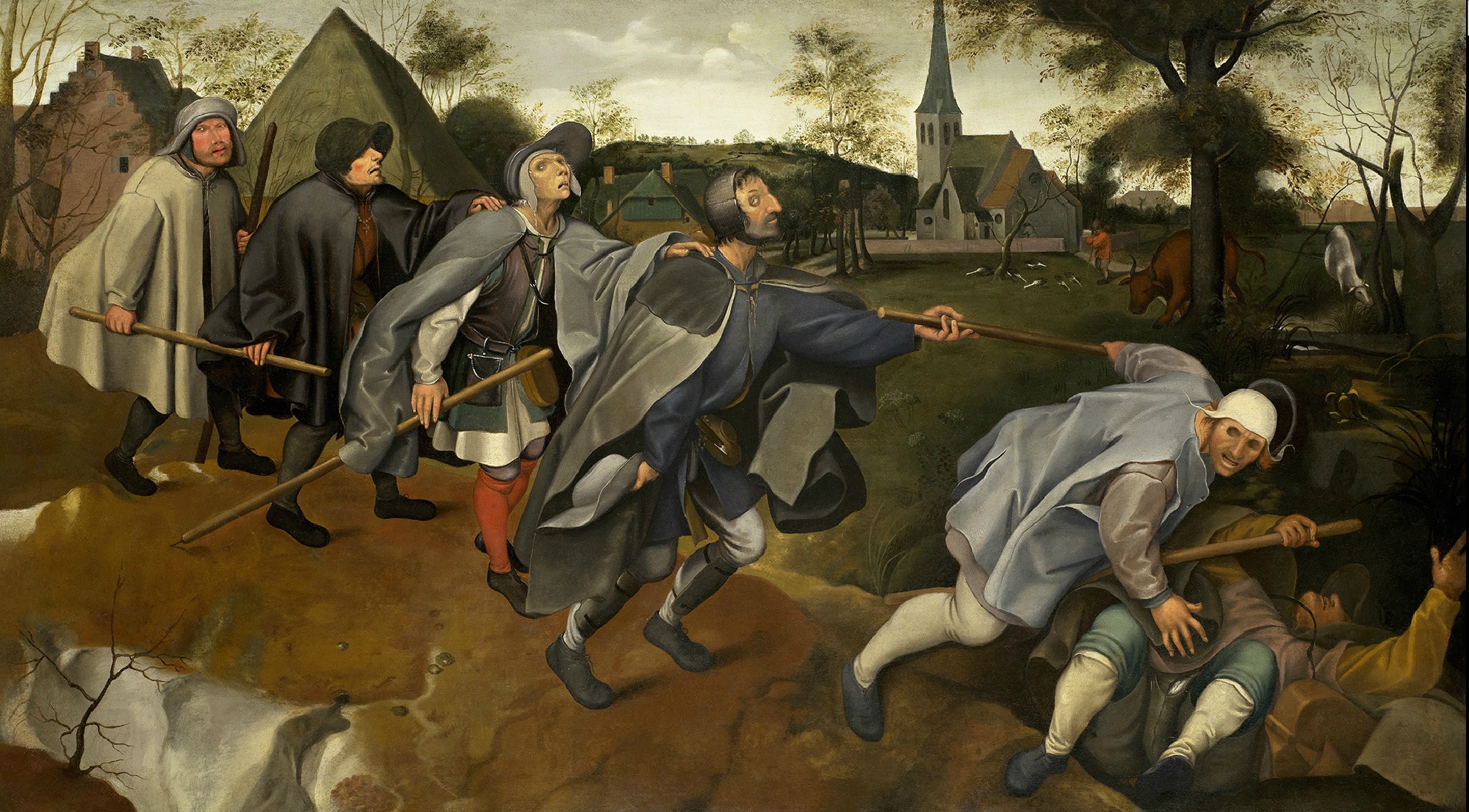
A Philosophical Happy Hour thinking through the challenges posed by Francis Bacon’s Idols of the Mind. The concept of idols as a philosophical problem is one that has captured the attention of a wide variety of thinkers, from early modern philosophers such as Descartes and Francis Bacon to 20th century phenomenologists such as Jean-Luc Marion. […]

On the Significance of Fictitious Entities
A Philosophical Happy Hour on the moral, psychological, and cultural significance of fictitious entities in human life. Cultural Role of Fictitious Entities Fictitious entities, myths, and media entertainment saturates much of our cultural ethos and society today. Many references we use and employ, metaphors we construct, the subterranean moralizing messaging we find is more often […]

Interview: On Being as First Known
St. Thomas Aquinas presents in the corpus of his work (at, e.g., De veritate q.1, a.1, Summa Theologiae Ia-IIae, q.94, a.2, and In Metaphysicorum, lib.4, lec.3, n.605) the claim that what the intellect first conceives is being and that the intellect further resolves all conceptions into being. Illud autem quod primo intellectus concipit quasi notissimum, […]

Science and Philosophy: In Dialogue?
Positivism and Science A difficult and complex question in philosophy today concerns the discussion regarding the intersection and “boundaries” of the harder empirical sciences and the distinct activity of philosophical enquiry. Given the success of scientific discovery, one temptation in the early 20th century was to claim that disciplines such as biology, chemistry, physics, and […]
The Ethics of New Terminology
In a famous set of scenes in the 2004 classic movie Mean Girls one of the main protagonists, Gretchen Wieners, attempts to introduce a novel expression into the discourse with her friends, insisting upon ending every conversation with the exclamation, “That is so fetch!” After failing to have the terminology catch on for so long, […]

Hervaeus Natalis and Logic
Ho ho ho… Harvey is coming to town? One of the many fascinating contributions semiotics makes to contemporary philosophical discourse is role it sees for signs and sign-relations in the domain of logic. In this interview on Dogs with Torches, we are joined by the Lyceum’s very own Dr. Matthew K. Minerd to discuss the […]

On Natural Law and Justice
In his work Introduction to Moral Theology, Fr. Romanus Cessario O.P. remarked on certain misconceptions with respect to how the natural had grown in application and importance over time in the late 19th and early 20th centuries: arguing that the presentation of the natural law given in teaching manuals was anachronistic and unhelpful, and in […]

⚘ Lessons learned from John Deely | by Gary Shank
July 30, 2022 / 2pm (EDT), 7pm (UTC+1h) Gary Shank is a Professor of Educational Research at Duquesne University in Pittsburgh, PA. He has been active in semiotics since 1979, when he attended his first Semiotic Society of America meeting at his alma mater, Indiana University. He has been active in semiotics and educational research […]

Peirce on proper names | by Francesco Bellucci
This event is part of the activities of the 2022 International Open Seminar on Semiotics: a Tribute to John Deely on the Fifth Anniversary of His Passing, cooperatively organized by the Institute for Philosophical Studies of the Faculty of Arts and Humanities of the University of Coimbra, the Lyceum Institute, the Deely Project, Saint Vincent […]
