

Jefferson, Natural Rights, and the Sources of the Declaration of Independence
Presenting the fifth in our Colloquium series for the year 2024, Dr. John Pinheiro (PhD in History, Director of Research at the Acton Institute for the Study of Religion and Liberty), challenges the common narrative that reduces Thomas Jefferson’s thought in writing the Declaration to the philosophy of John[…]
Felicitates de Quodlibet, I.3
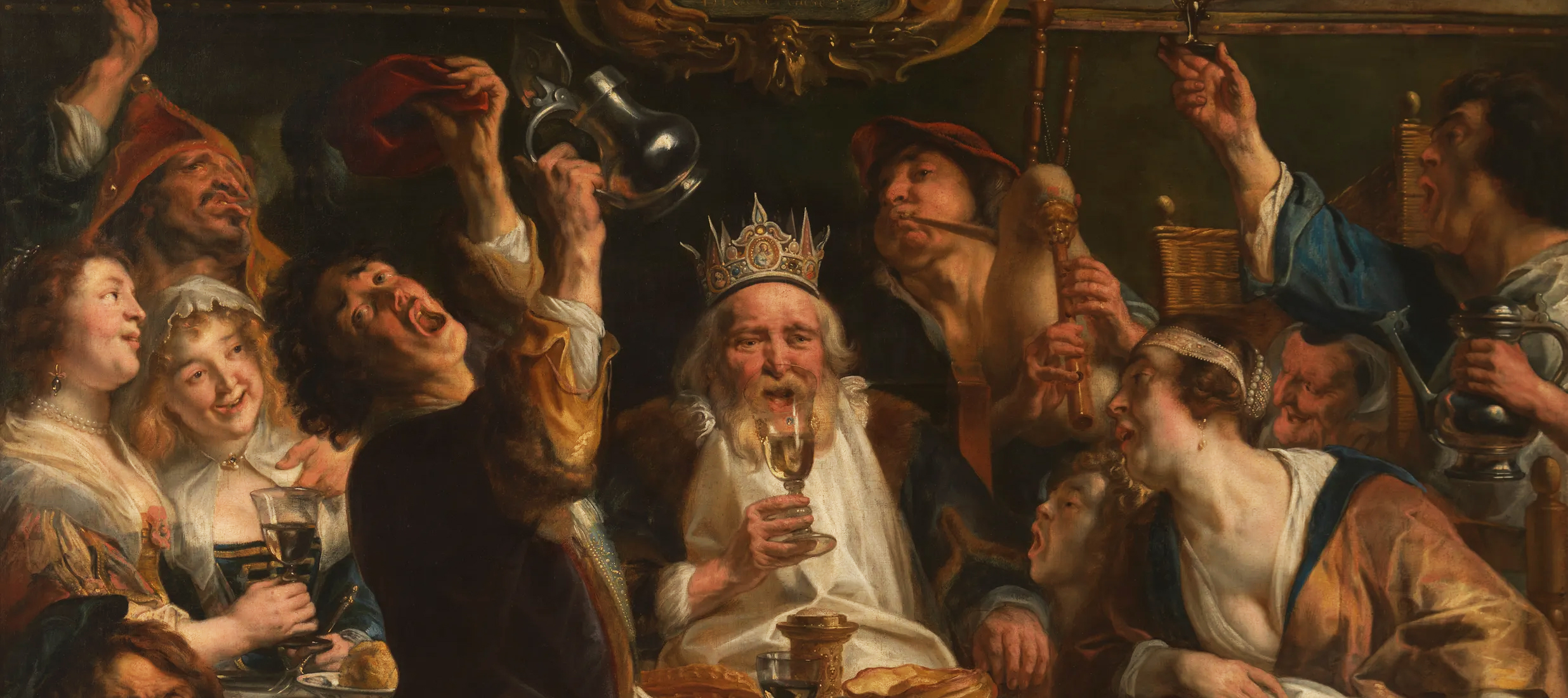
A Philosophical Happy Hour on… whatever! Revisiting our Felictates de Quodlibet series, in which we talk about whatever we want, so long as it is interesting, and for as long as we are interested. In the Scholastic university, renowned thinkers would regularly engage in open debate on questions posed[…]

The Ontological Status of Light and Color in St. Thomas Aquinas
Lyceum Institute Faculty Fellow John Boyer gave a lecture for the Thomistic Institute on 18 July 2024 of this year concerning the “Ontological Status of Light and Color in St. Thomas Aquinas”. Prof. Boyer’s discussion focuses on the role of light in the operations of vision. While many might[…]

John Deely on the Boundaries of Time
The past is prologue to the present as the present is prologue to the future. But these terms need defining, not so much the term “prologue” as the terms “past”, “present”, and “future”, for they represent the divisions of time as a framework or measure for the pinpointing of[…]

On the Significance of Fictitious Entities
A Philosophical Happy Hour on the moral, psychological, and cultural significance of fictitious entities in human life. Cultural Role of Fictitious Entities Fictitious entities, myths, and media entertainment saturates much of our cultural ethos and society today. Many references we use and employ, metaphors we construct, the subterranean moralizing[…]
On Comedy
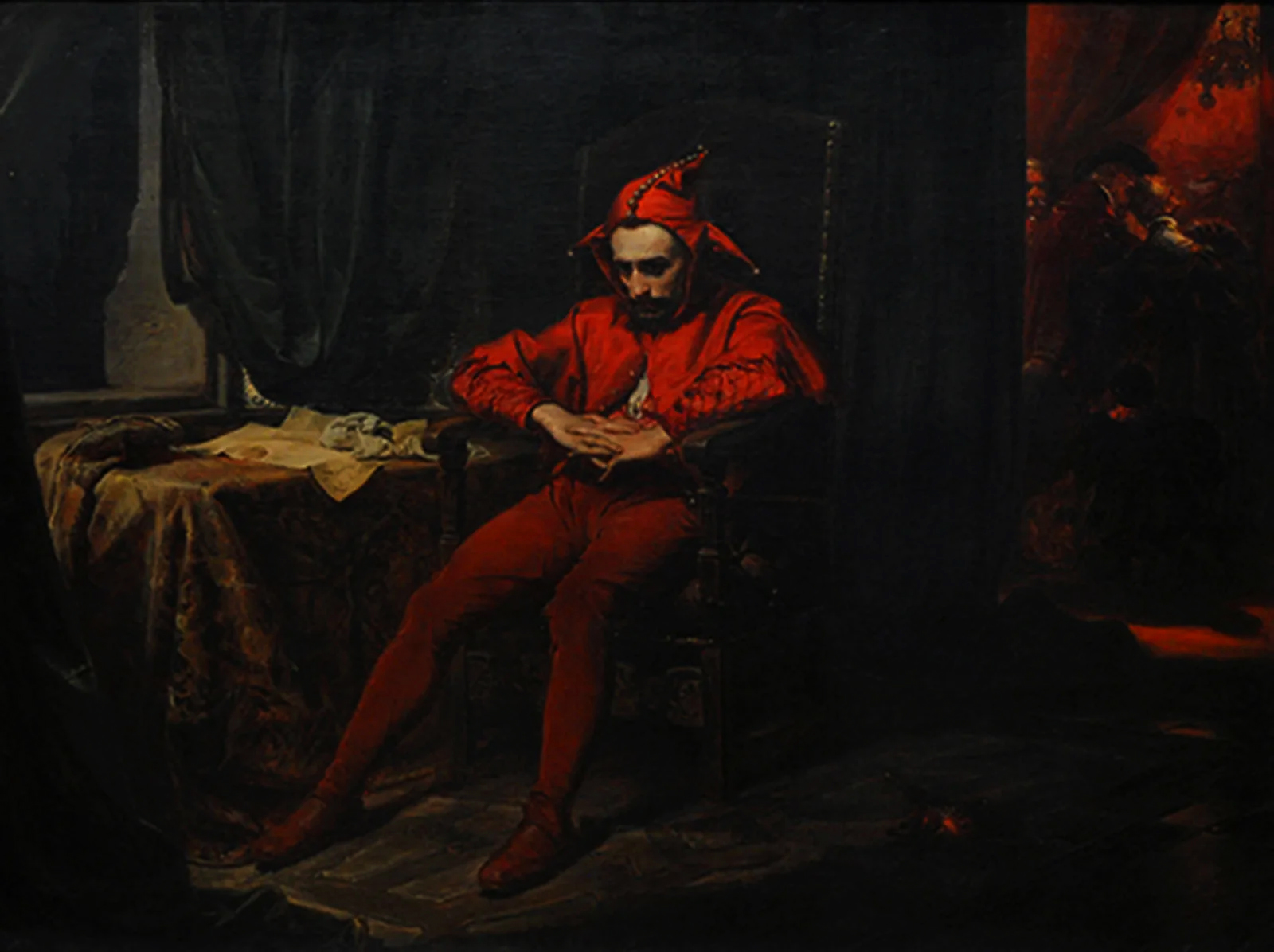
To complement our recent Happy Hour discussion of tragedy, let’s consider the concept of comedy. The Nature and Praxis of Comedy As permits our time and—above all—my supply of shamefully light beer, we shall discuss at our next Happy Hour the nature of comedy and the comedic.[1] To facilitate[…]

Interview: On Being as First Known
St. Thomas Aquinas presents in the corpus of his work (at, e.g., De veritate q.1, a.1, Summa Theologiae Ia-IIae, q.94, a.2, and In Metaphysicorum, lib.4, lec.3, n.605) the claim that what the intellect first conceives is being and that the intellect further resolves all conceptions into being. Illud autem[…]
Maritain Musings – Podcast on Signs and Symbols
Our friends at the American Maritain Association have recently launched a podcast series, “Maritain Musings”, in which Lyceum Faculty Fellow Dr. Matthew K. Minerd is joined by guests to discuss different works of Jacques Maritain. For the fourth episode, the Lyceum’s Executive Director, Dr. Brian Kemple, joined Matthew to[…]
Do You Trust Me?
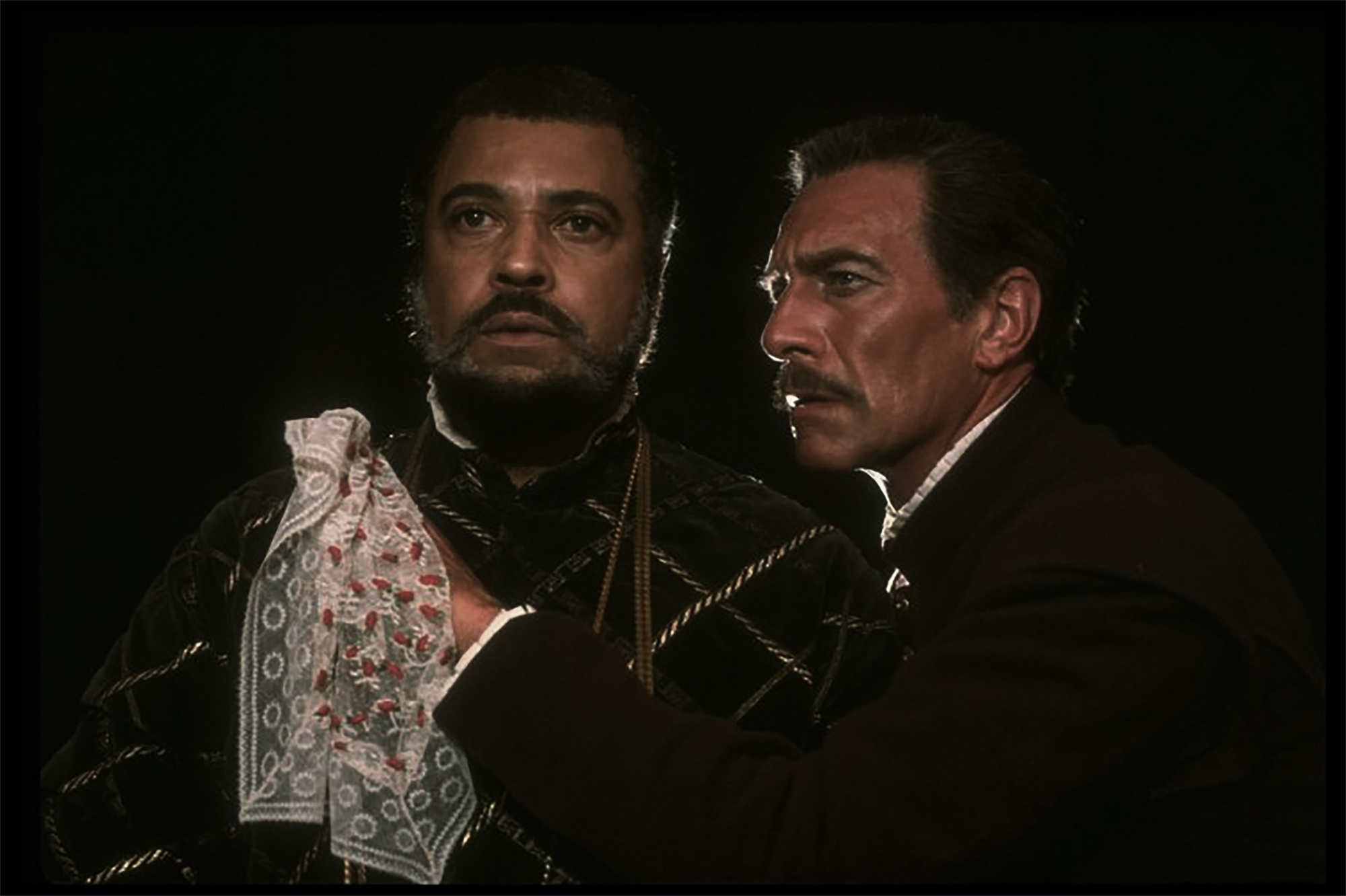
A Philosophical Happy Hour on the reasons for and nature of trust, distrust, and the consequences of breaking it. Image: Christopher Plummer as Iago and James Earl Jones as Othello (Requiescant in Pace). Trust today seems a quality lacking and, yet for which there is great desire. We do[…]
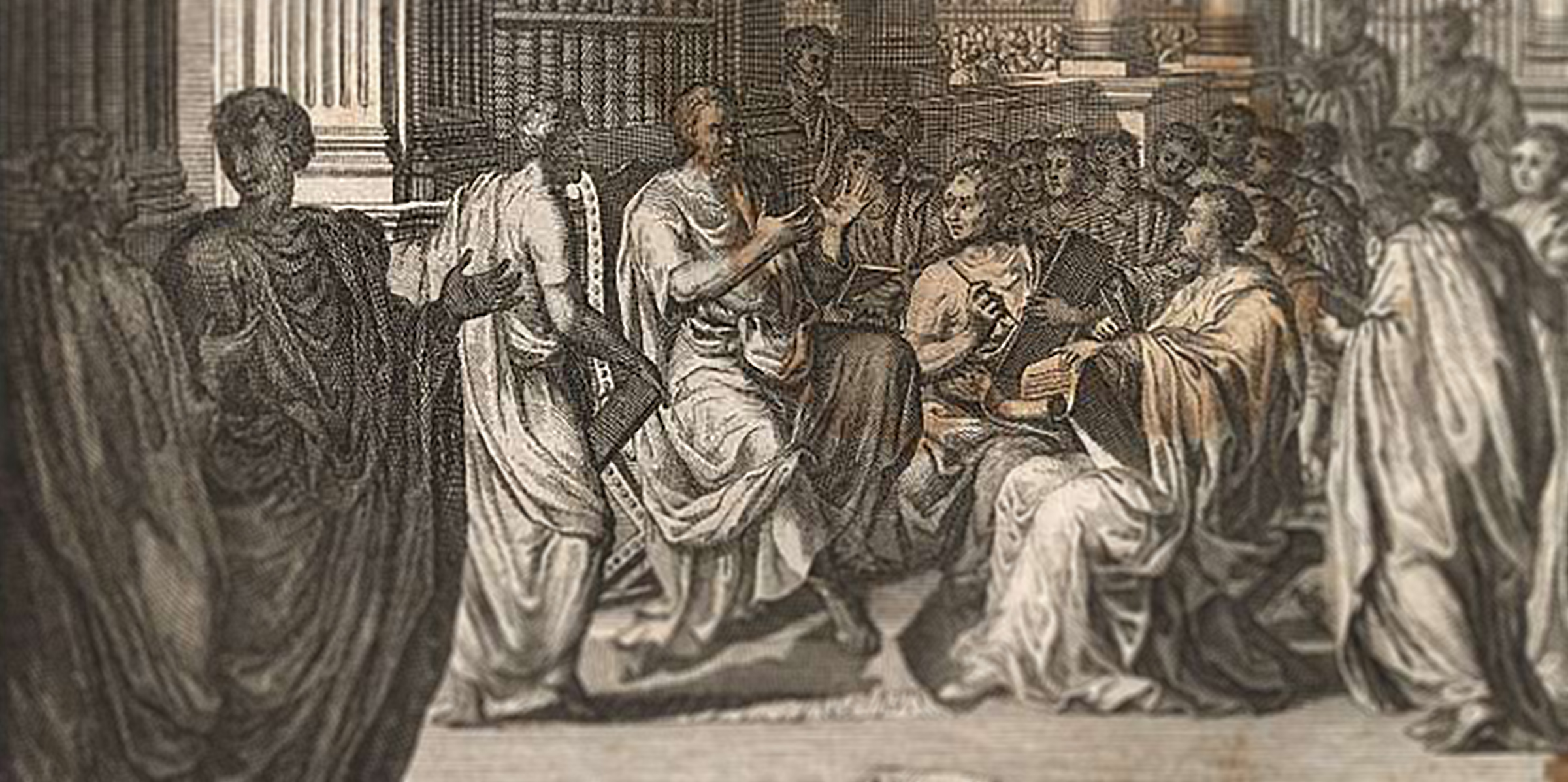
Quintilian – Institutio Oratoria [English]
Too little do we today possess sufficient learning and practice in the art of rhetoric. Habituated as we are, instead, to speech constituted primarily of unthinking repetition of oft-stated phrases, true eloquence in any style has become unfamiliar. Retrieving the art of rhetoric—the ability to persuade—requires not only a[…]
