
Dr. Daniel Wagner on Plato’s Meno
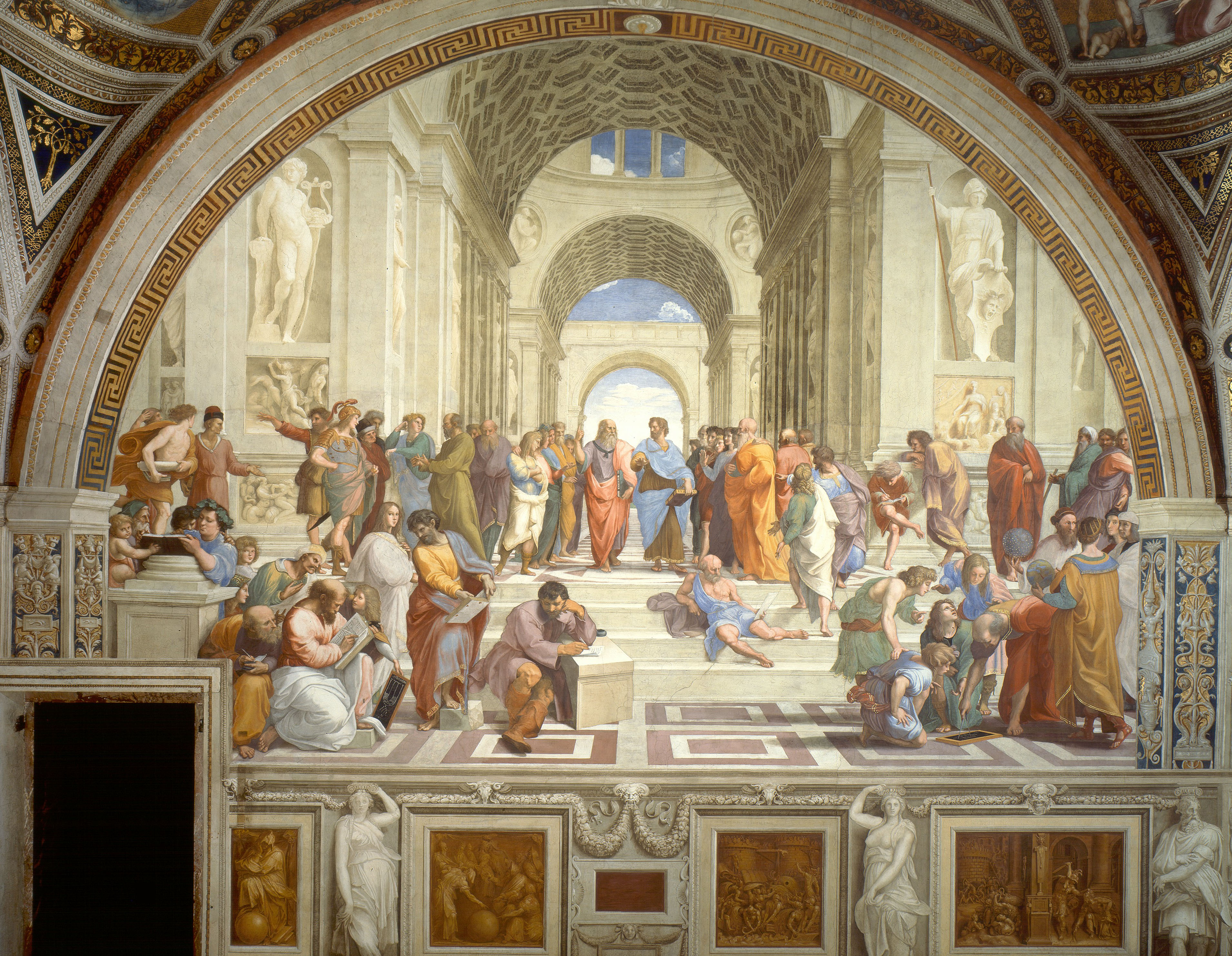
Our Faculty Fellow and Professor, Director of Catholic Studies, and Chair of Philosophy as Aquinas College in Grand Rapids, MI, Dr. Daniel Wagner, joined Dcn. Harrison Garlick of Ascend: The Great Books Podcast to discuss one of his favorite Platonic dialogues, The Meno. You can find (and follow) Ascend on X.com here, and listen to […]

Truth, Goodness, and Beauty
In this conversation, Francisco Plaza shares his journey into the intellectual life, influenced by his experiences moving from the US to Venezuela. He discusses the current state of education, the importance of classical education, and the role of political philosophy in understanding justice and order. Plaza emphasizes the need for a hierarchy of values in […]
Classics, Language, and Philosophy
In this conversation, Richard Sharpe discusses his journey into the intellectual life, the significance of classical education, and the importance of language study. He emphasizes the integration of thinking and living well, the cultivation of habits in education, and the role of community in fostering a love for learning. The discussion highlights the virtue of […]

Catharsis and the Intellectual Life
In this conversation, Brian Kemple is joined by Daniel Wagner, a Faculty Fellow of the Lyceum Institute, in exploring the motivations behind intellectual pursuits, the significance of classical education, and the contrast between modern and classical educational philosophies. 00:00 – Introduction to Intellectual Pursuits 03:01 – Catharsis, Healing, and Philosophy 06:55 – Understanding Classical Education […]

The Death and Evolution of Education – Epilogue: Building New Institutions
This is the epilogue to a four-part series on the Death and Evolution of Education, which seeks to explain why we cannot rely upon the university to provide the intellectual formation necessary for the common good, but must “evolve” a new approach to learning. Part I: Introduction can be found here, Part II: The Hostile […]

The Death and Evolution of Education – Part IV: Evolution of Higher Education
This is the fourth in a four-part series on the Death and Evolution of Education, which seeks to explain why we cannot rely upon the university to provide the intellectual formation necessary for the common good, but must “evolve” a new approach to learning. Part I: Introduction can be found here, Part II: The Hostile […]
The Death and Evolution of Education – Part III: Maladapted Universities
This is the third in a four-part series on the Death and Evolution of Education, which seeks to explain why we cannot rely upon the university to provide the intellectual formation necessary for the common good, but must “evolve” a new approach to learning. Part I: Introduction can be found here, and Part II: The […]

The Death and Evolution of Education – Part II: The Hostile Environment
This is the second in a four-part series on the Death and Evolution of Education, which seeks to explain why we cannot rely upon the university to provide the intellectual formation necessary for the common good, but must “evolve” a new approach to learning. Part I: Introduction can be found here. In this, Part II: […]
Subsidiarity: Worth More than Money
There are certain goods for a human being which cannot be bought, and that we destroy when we try to purchase them: goods such as love, friendship, justice—and indeed, education. What happens when we turn these into products?

The Death and Evolution of Education – Part I: Introduction
This is the first in a four-part series on the Death and Evolution of Education, which seeks to explain why we cannot rely upon the university to provide the intellectual formation necessary for the common good, but must “evolve” a new approach to learning. One part will be published each week for the next four […]
