
Disarming the Presuppositions against Faith
A Preface to a Long Conversation—on the relationship between faith and reason—begun by addressing the presuppositions which have made the conversation unnecessarily difficult. “There are not one hundred people in the United States”, once said Fulton Sheen, “who hate the Catholic Church; but there are millions who hate what they wrongly perceive the Catholic Church […]
What Classical Education Needs
In this conversation, Geoffrey Meadows (Head of Upper School, Tulsa Classical Academy) discusses being a “hunter of causes” and the need to translate enthusiasm into hard work in classical education. Together with Dr. Kemple, he discusses the importance of philosophy, the impact of technology on education, and the necessity of moral formation in students. Geoffrey […]
On Silence, Sophistry, and the Preservation of Wisdom
Why we need digital monasteries for the layman, and what that means. The Roman Empire was inarguably among the greatest imperial powers ever to have existed. It spanned the breadth of all Europe, crossed into Britain, swept south along the Mediterranean, and held much of the world in order for hundreds of years. But over […]
The Mystery of Being and the Rediscovery of Tradition
In this conversation, Dr. Matthew K. Minerd reflects on his intellectual journey, highlighting the influence of language and philosophy—the dance of νοῦς before our eyes—in shaping his understanding of the world and his habits of inquiry. Listen as he and Dr. Kemple discuss the discovery of meaningful study, the development of a global intellectual perspective, […]
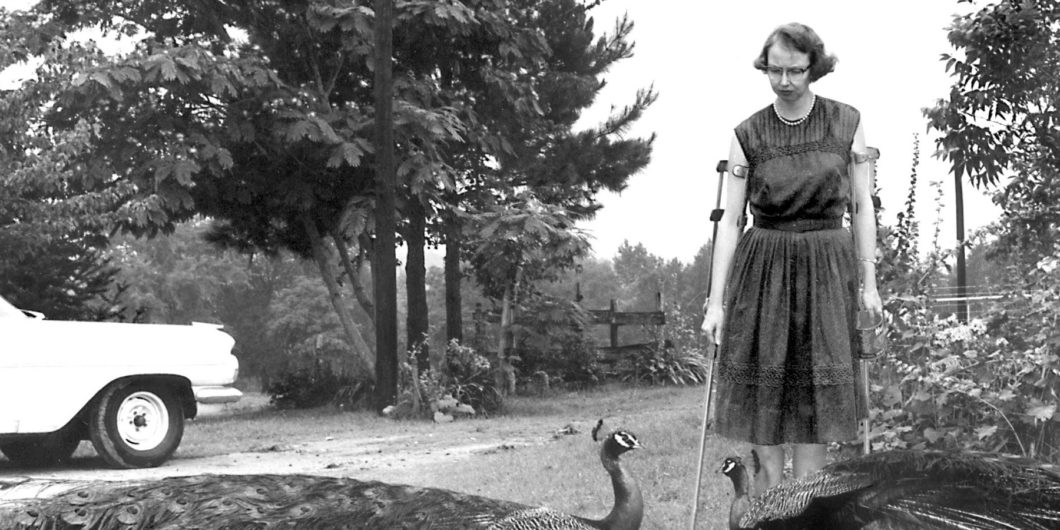
Dr. Brian Kemple on “The Lame Shall Enter First”
Executive Director Brian Kemple joined Dcn. Harrison Garlick of Ascend: The Great Books Podcast to discuss a short story of Flannery O’Connor, “The Lame Shall Enter First”. You can find (and follow) Ascend on X.com here, and listen to their podcasts on all these many platforms—or watch on YouTube below.
Philosophy and the Art of Reasoning
John Boyer joins Brian Kemple to discuss the decline of traditional liberal education and its impact on university curricula, emphasizing the superficial engagement with important questions in contemporary society, particularly through social media. In place of these superficial approaches, we ought to recover the Aristotelian understanding of causality, developing habits of real inquiry, and discovery […]

Classical Liberalism’s Widening Gyres
A polemic on why the lukewarm “center” cannot hold. There is an episode of the sitcom Parks and Recreation featuring a cult that named themselves “the Reasonabilists”.[1] The cult worships “Zorp, the giant lizard god who will destroy the earth with his cleansing fire of judgment.” When asked why the cultists call themselves “the Reasonabilists”, […]

Digital Technology and the Malformation of the Human Soul
Dr. Brian Kemple of the Lyceum Institute joins Anthony Alberino for a discussion on digital technology and its relation to the human soul. Together they reflect philosophically on: This is the third installment in Dr. Alberino’s “Dangers of the Digital Age” series, which can be found here.
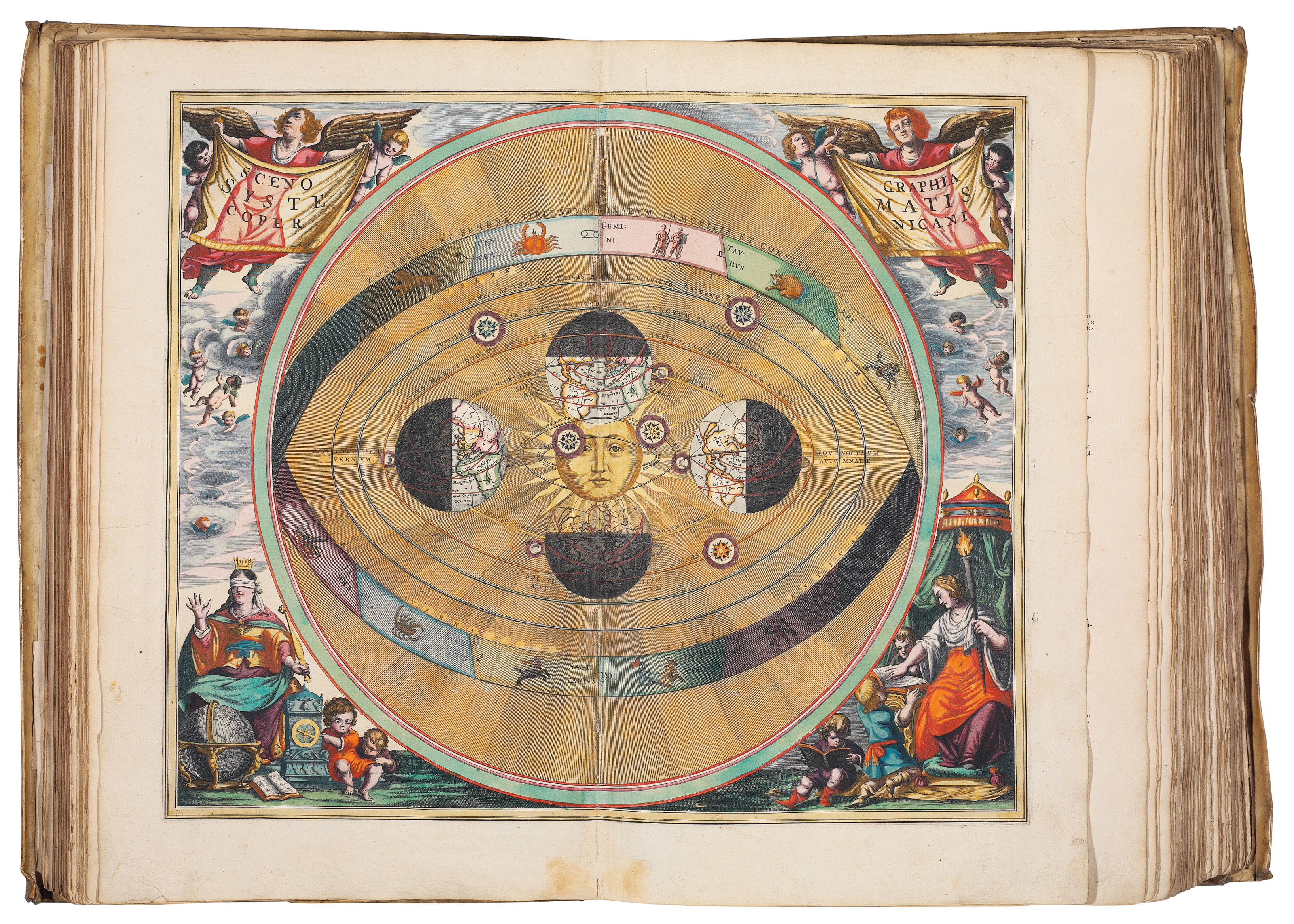
Building Habits of True Learning
In this conversation, Dr. Jacob Joseph Andrews discusses his journey into the intellectual life, emphasizing the importance of personal development, moral formation, and the role of classical education. He highlights the significance of language study, particularly Latin, in understanding culture and fostering intellectual habits. Andrews also reflects on the value of specialized study and the […]

Signs of Life: Music, Literature, Science, and Philosophy
Listen to Dr. Kirk Kanzelberger as he relates his intellectual journey through life—the continuous thread of learning—from young tragedy and early literacy, through music, moral formation through the literature of Tolkien, work in science, technology, semiotics, philosophy, and more. An enlightening and moving conversation that sheds great light on what it means to pursue knowledge […]
