
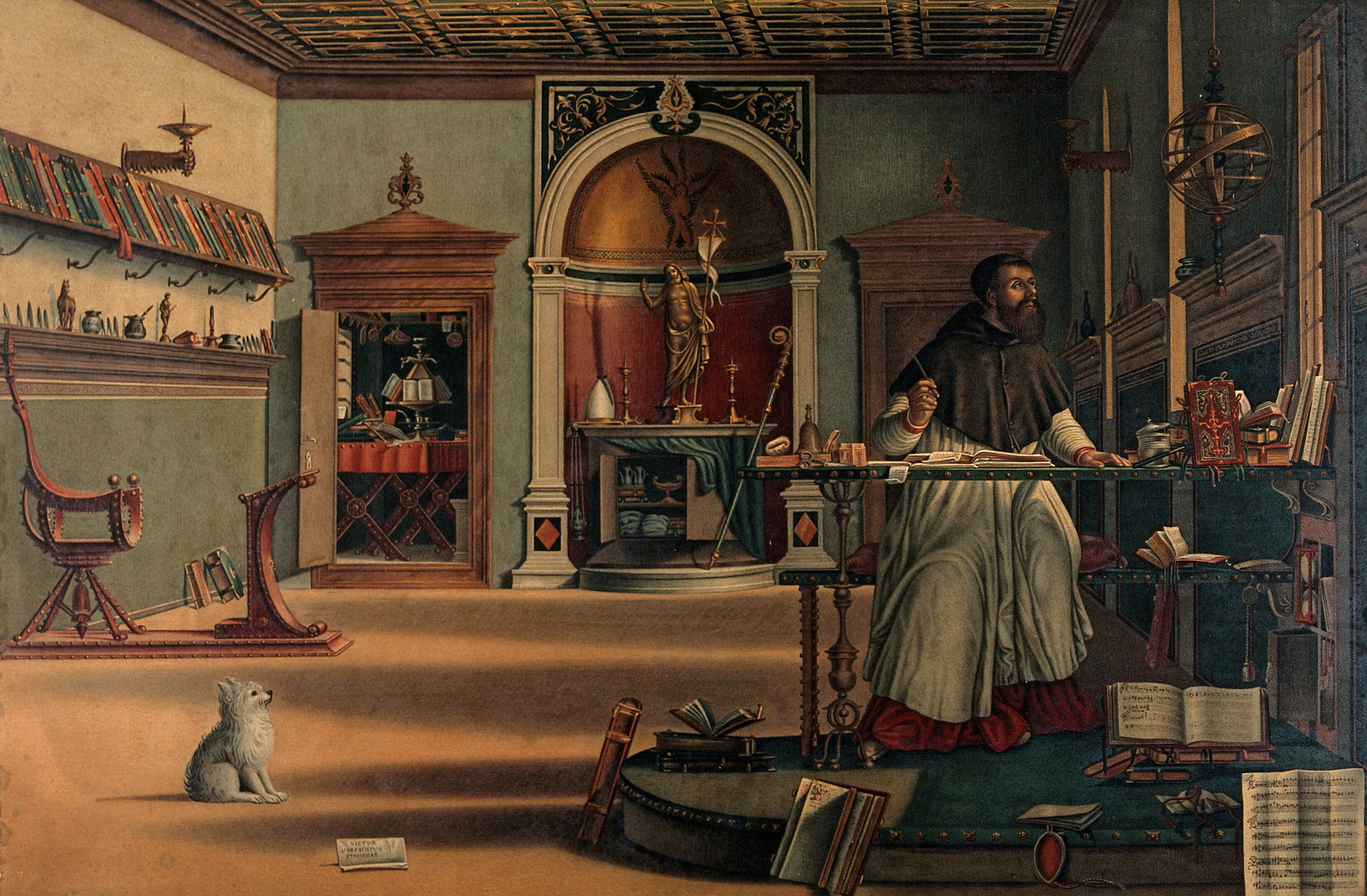
To Will or Not To Will (That is the Question)?
A Philosophical Happy Hour on the act of will, and the question: what does it mean to say that our will is free? What makes a will good? A common staple of western philosophical anthropology is arguing or asserting there is such a thing as a human will, a driving force or the part of […]

On the Necessity of Friendship for Discovering the Good
A Philosophical Happy Hour focused on the question of friendship: its nature, deepening, and the necessity of others with whom we share the search for the good. I have spent much of my life alone. The youngest in my family, I began homeschooling in fourth grade, and continued until I started community college, before transitioning […]
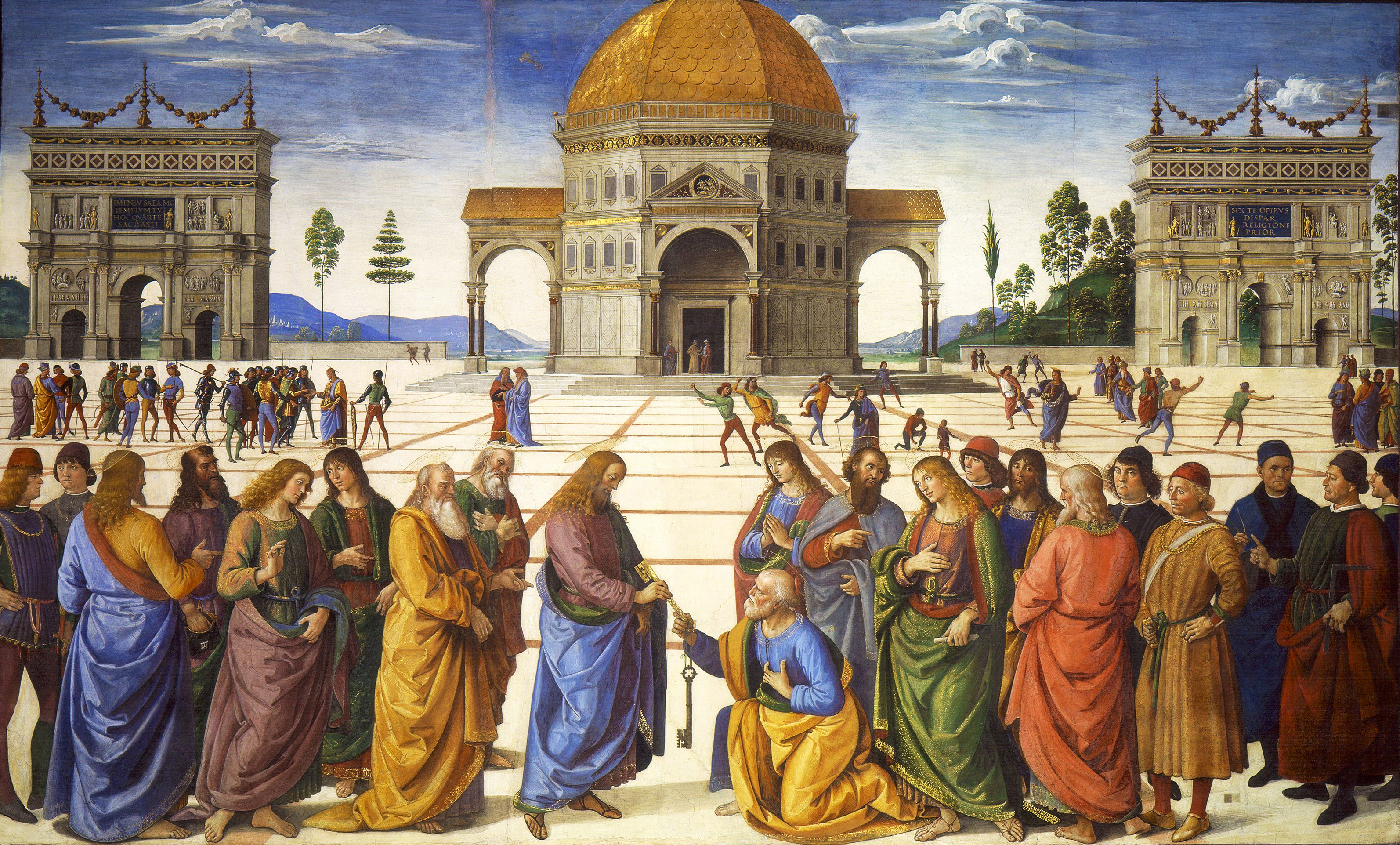
On the Univocal and the Analogical
A Philosophical Happy Hour investigating the principles and aims of language through univocal and analogical predication. What is the meaning or the significance of a word? This question may operate on two levels: first, concerning a specific word’s meaning—“tree” or “justice”, “fruit” or “truth”; or, second, concerning the relationship between meaning in general and words […]
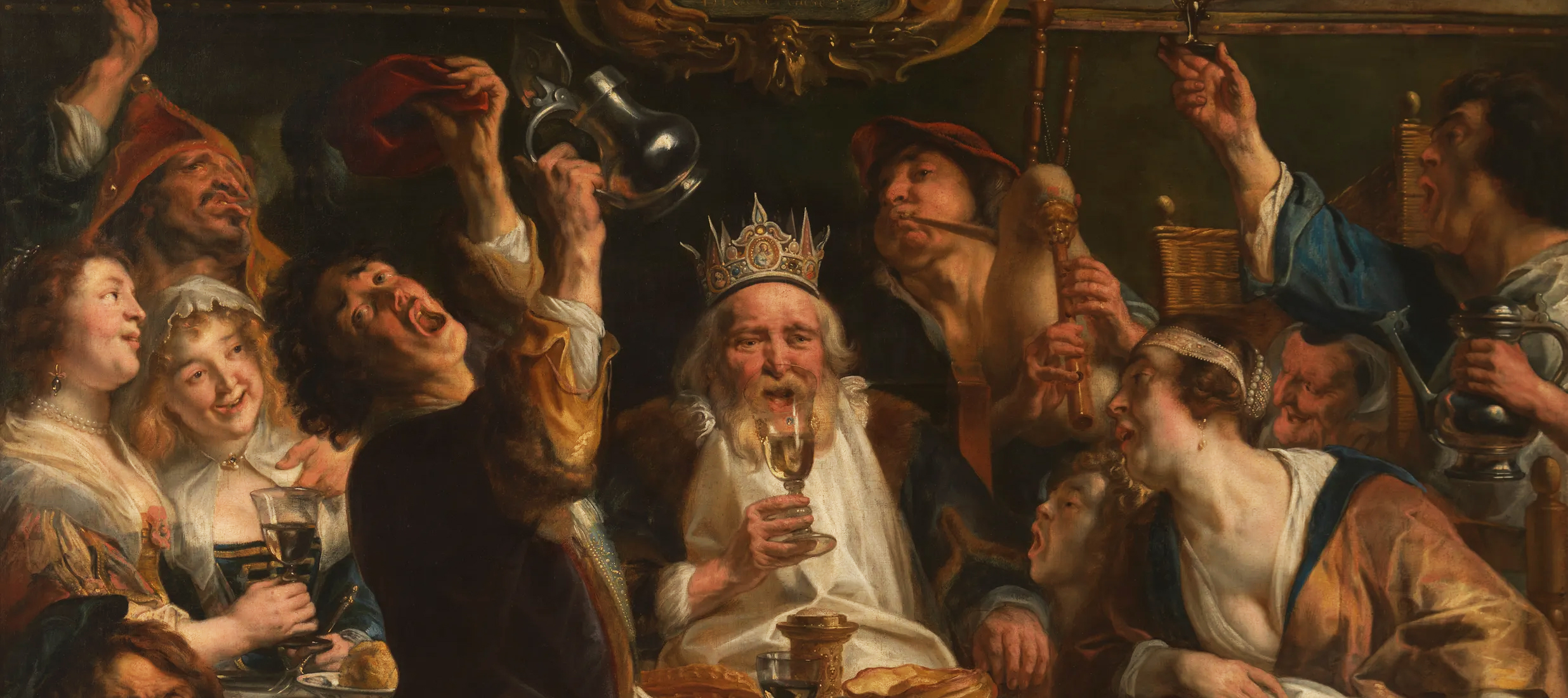
Felicitates de Quodlibet, III.1
A Philosophical Happy Hour on… whatever! The first installment in our Felictates de Quodlibet series for 2026, in which we talk about whatever we want, so long as it is interesting, and for as long as we are interested. Or, to put this otherwise: do you have a philosophical question—any question whatsoever—you want seriously to […]
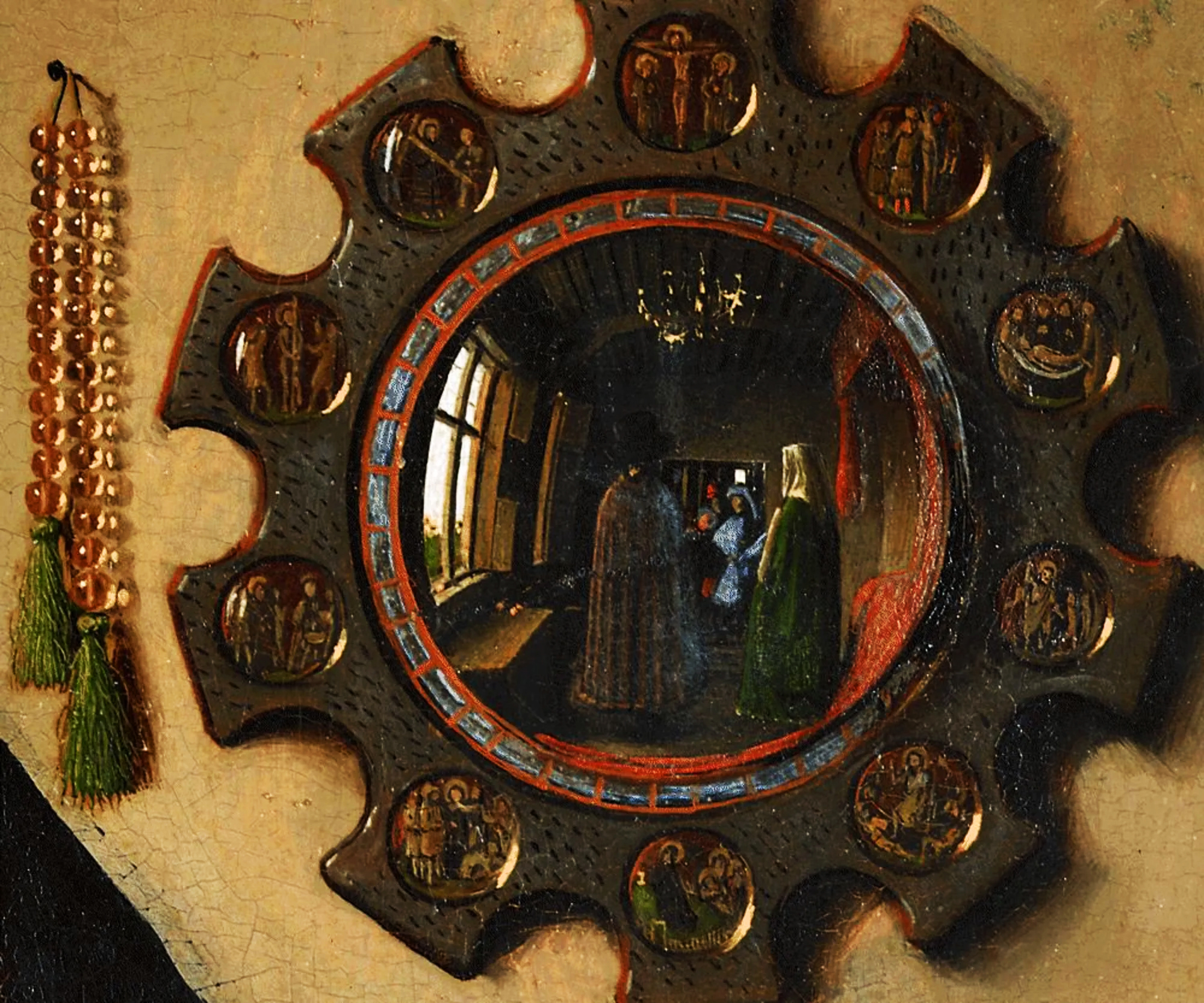
What Makes a Thinker Worth Exploring?
A Philosophical Happy Hour asking why (or whether) we should read some thinkers over others, explore some ideas before the rest, and take some philosophers more seriously than others. A question surfaces again and again in philosophical discussion, sometimes with impatience: why do certain thinkers keep returning? Why are Plato and Aristotle, Augustine and Aquinas, […]

On Knowing Ourselves
A Philosophical Happy Hour questioning how and how well we come to know ourselves. Who are we, really? Commonly we presume today that we know ourselves by a turn inward. We associate self-knowledge with “introspection” and “authenticity”. But despite this contemporary insistence, it seems many people do not know themselves: conflicted in motivation and desire, […]

On the Good of Cheap Entertainment
A Philosophical Happy Hour questioning whether we do ourselves or our communities harm or benefit through cheap entertainment: movies, television, books, games, and more. Popular entertainment is often dismissed as shallow, disposable, or even harmful. Yet much of what people actually read, watch, and enjoy falls squarely into this category. This week’s Philosophical Happy Hour […]
On Academic Gatekeeping
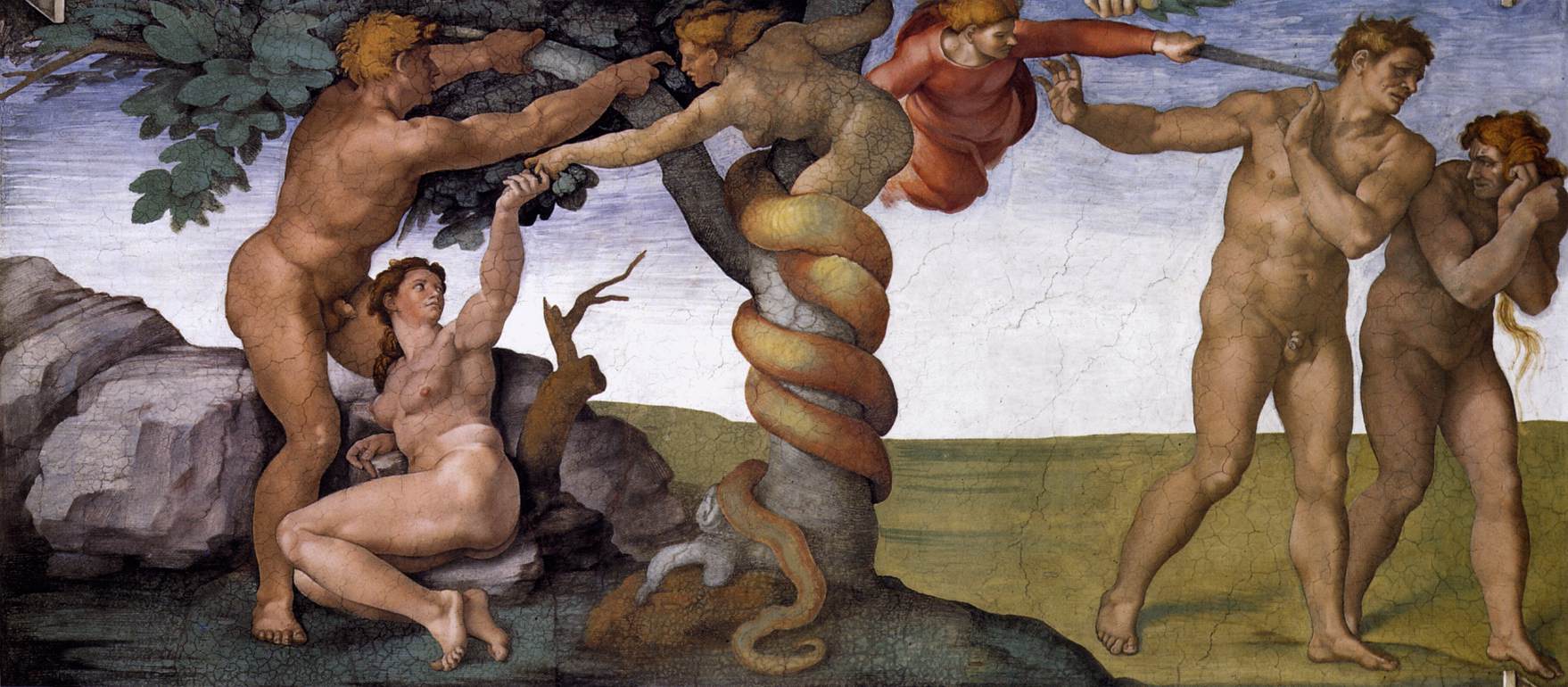
A Philosophical Happy Hour on admission to and exclusion from the halls of learning—or, the needs and excesses of academic gatekeeping. “Shut your College gates against the votary of knowledge, throw him back upon the searchings and the efforts of his own mind; he will gain by being spared an entrance into your Babel.” – […]
The Growth of Consciousness
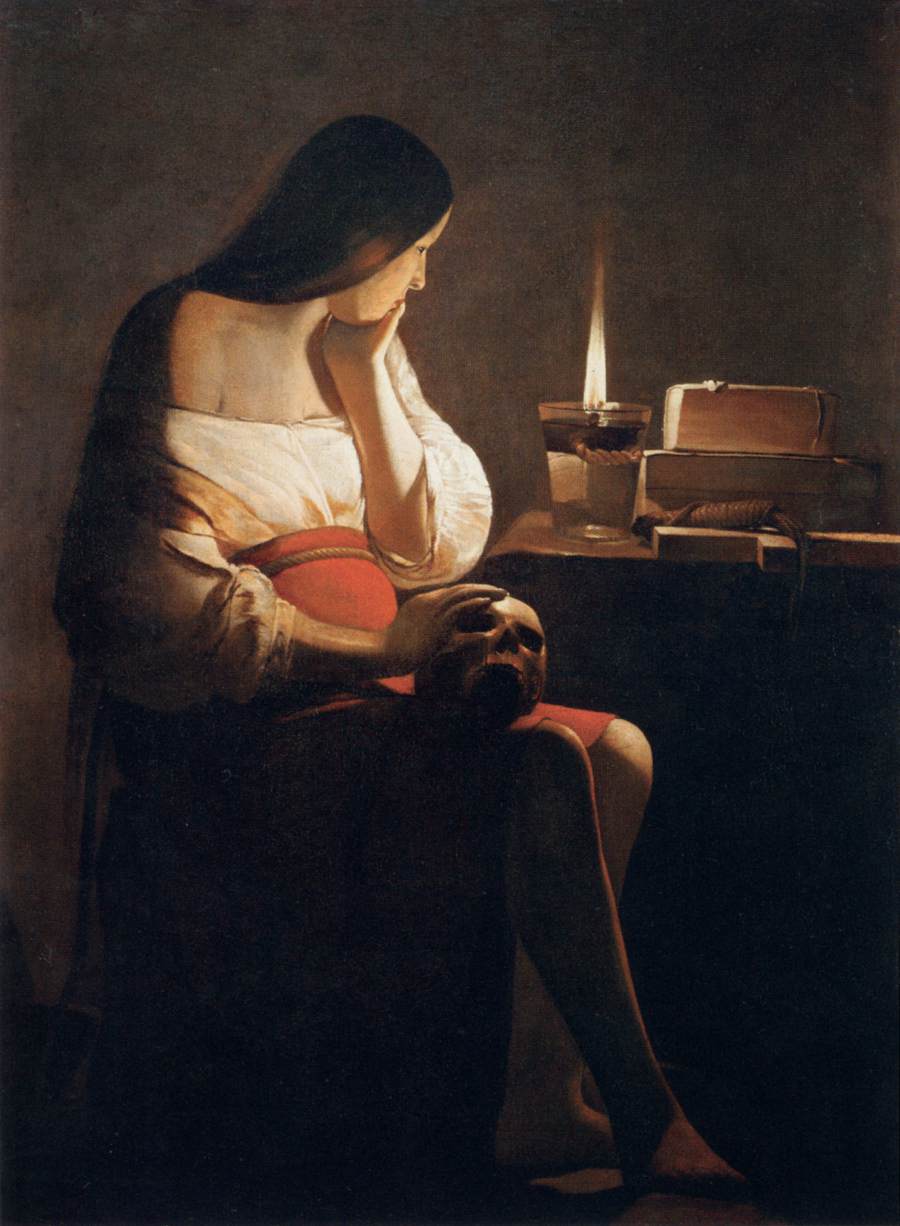
A Philosophical Happy Hour on the nature, growth, and importance of understanding consciousness. The concept of “consciousness” today seems rather important: it is brought up in questions about artificial intelligence, neuroscience, the development of habits, “mindfulness”, self-improvement, and countless other related issues. But what is consciousness? Few good definitions seem available. Even many persons professionally […]

Do We Still Need Universities?
A Philosophical Happy Hour on the ends and purposes of higher education, universities, and the needs of teaching and learning. —Reading Francis Slade’s “Ends and Purposes” In the nearly two-years since Claudine Gay’s revealed plagiarism and subsequent resignation from Harvard University, familiar questions concerning the function and legitimacy of academic work—questions that, despite their familiarity […]
