
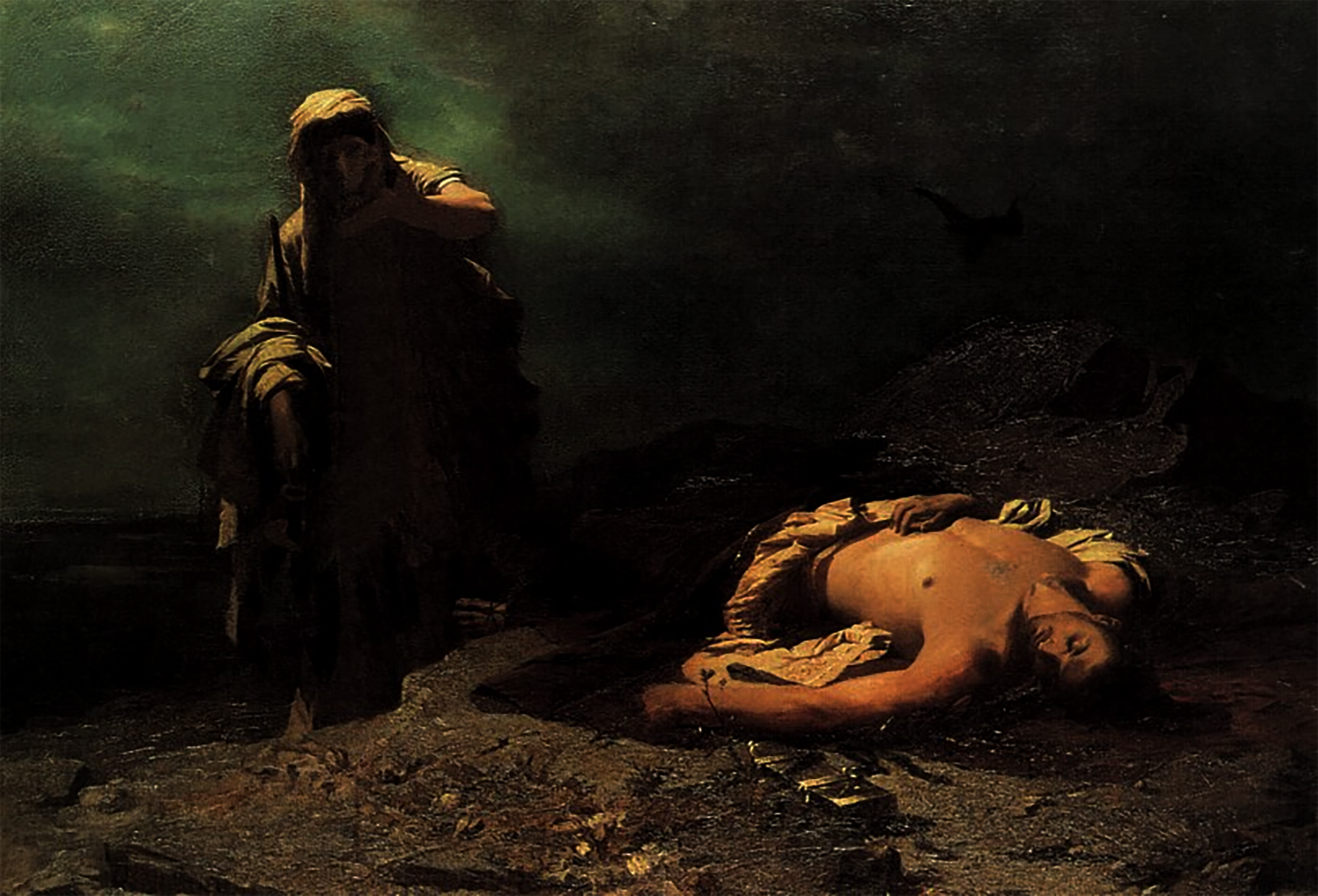
A retrospective reflection on the recent Philosophical Happy Hour concerning fate, providence, and the limits of human free choice.
A few brief reflections derived from our recent Philosophical Happy Hour on Fate:
1. Many people use the term to avoid responsibility for not only their own actions, but even for having to think about the complex nature of reality. In other words, chalking this or that happenstance up to fate simplifies our lives. But this simplification deprives one of an important freedom. To say that something was fated (or destined), in this manner of avoidance or escape, is to deprive ourselves of both agency and understanding. one cannot act freely under such deprivation.
2. Contemporary lapses into notions of fate run downstream of bad philosophy concerning causality. Put otherwise, if we conceive of “causes” to be, in the sense offered by David Hume, as nothing other than a sequence of chronological events in which Event A efficiently causes Event B, then we arrive at the belief of determinism. When this belief becomes a background presupposition, one does not need to think it explicitly in order to operate underneath its auspices. Modern scientific determinism, in other words, is “fate” stripped of its more mystical dimensions. So long as this notion of causality remains widely presupposed, it makes it even easier for non-scientifically-minded people to slip into more mystical beliefs about fate.
3. The Christian idea of providence, though it shares elements in common with the conceptions of both fate and determinism, does not fall into the same denial of freedom. This follows from two principles: first, the notion of God as omnipotent sets Him apart from fate; the latter might be “all-determining” but must work through what exists. Second, a robust notion of causality inherited from Greek philosophical traditions, most especially from Aristotle. While this notion of causality is not intrinsic to Christianity, nor has it always been within its traditions, it nevertheless helps explain the providential ordering revealed through Scripture.
4. The freest human being in Scripture, therefore, can be understood as Job. One ought to contemplate this.
Leave a Reply