

The Growth of Consciousness
A Philosophical Happy Hour on the nature, growth, and importance of understanding consciousness. The concept of “consciousness” today seems rather important: it is brought up in questions about artificial intelligence, neuroscience, the development of habits, “mindfulness”, self-improvement, and countless other related issues. But what is consciousness? Few good definitions seem available. Even many persons professionally […]

Do We Still Need Universities?
A Philosophical Happy Hour on the ends and purposes of higher education, universities, and the needs of teaching and learning. —Reading Francis Slade’s “Ends and Purposes” In the nearly two-years since Claudine Gay’s revealed plagiarism and subsequent resignation from Harvard University, familiar questions concerning the function and legitimacy of academic work—questions that, despite their familiarity […]
The Mystery of Being and the Rediscovery of Tradition
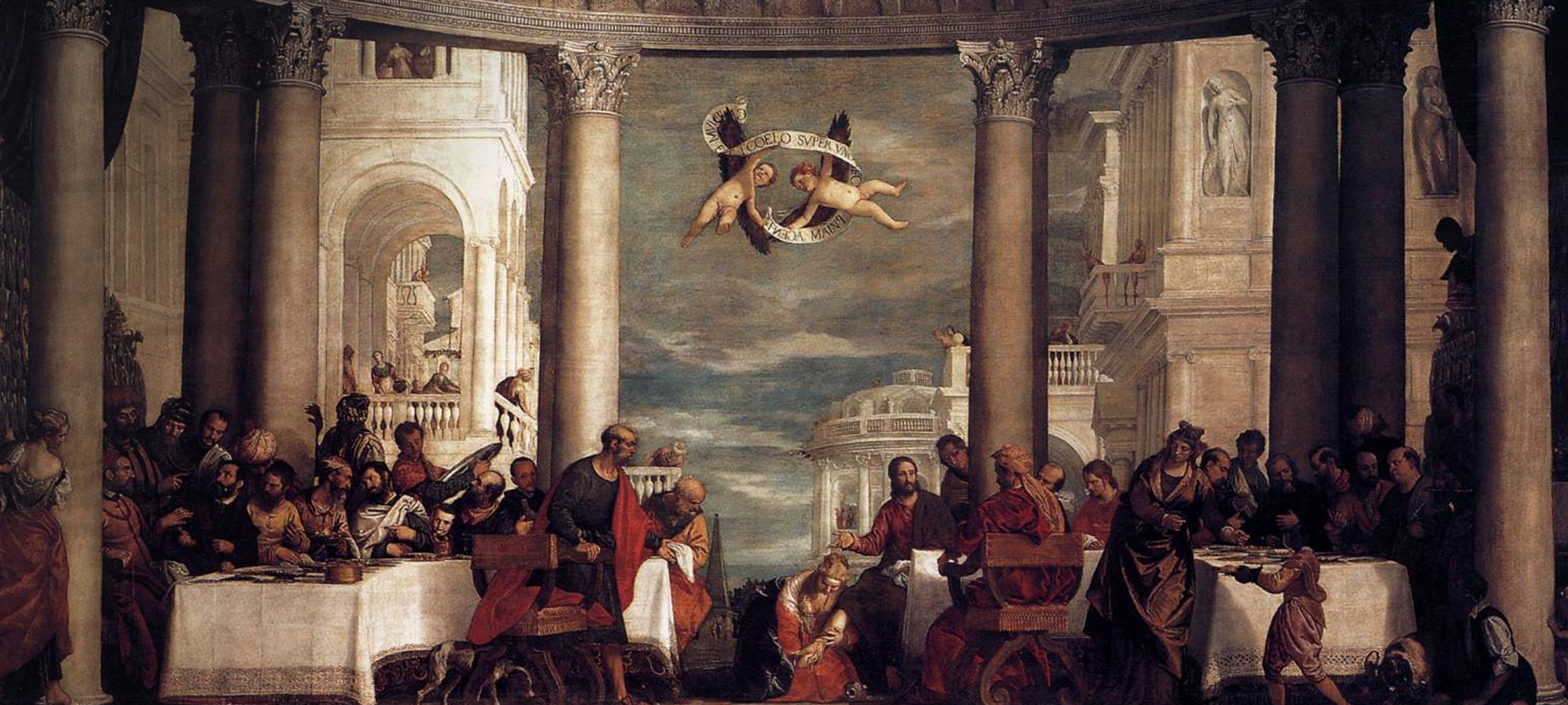
In this conversation, Dr. Matthew K. Minerd reflects on his intellectual journey, highlighting the influence of language and philosophy—the dance of νοῦς before our eyes—in shaping his understanding of the world and his habits of inquiry. Listen as he and Dr. Kemple discuss the discovery of meaningful study, the development of a global intellectual perspective, […]
Philosophy and the Art of Reasoning
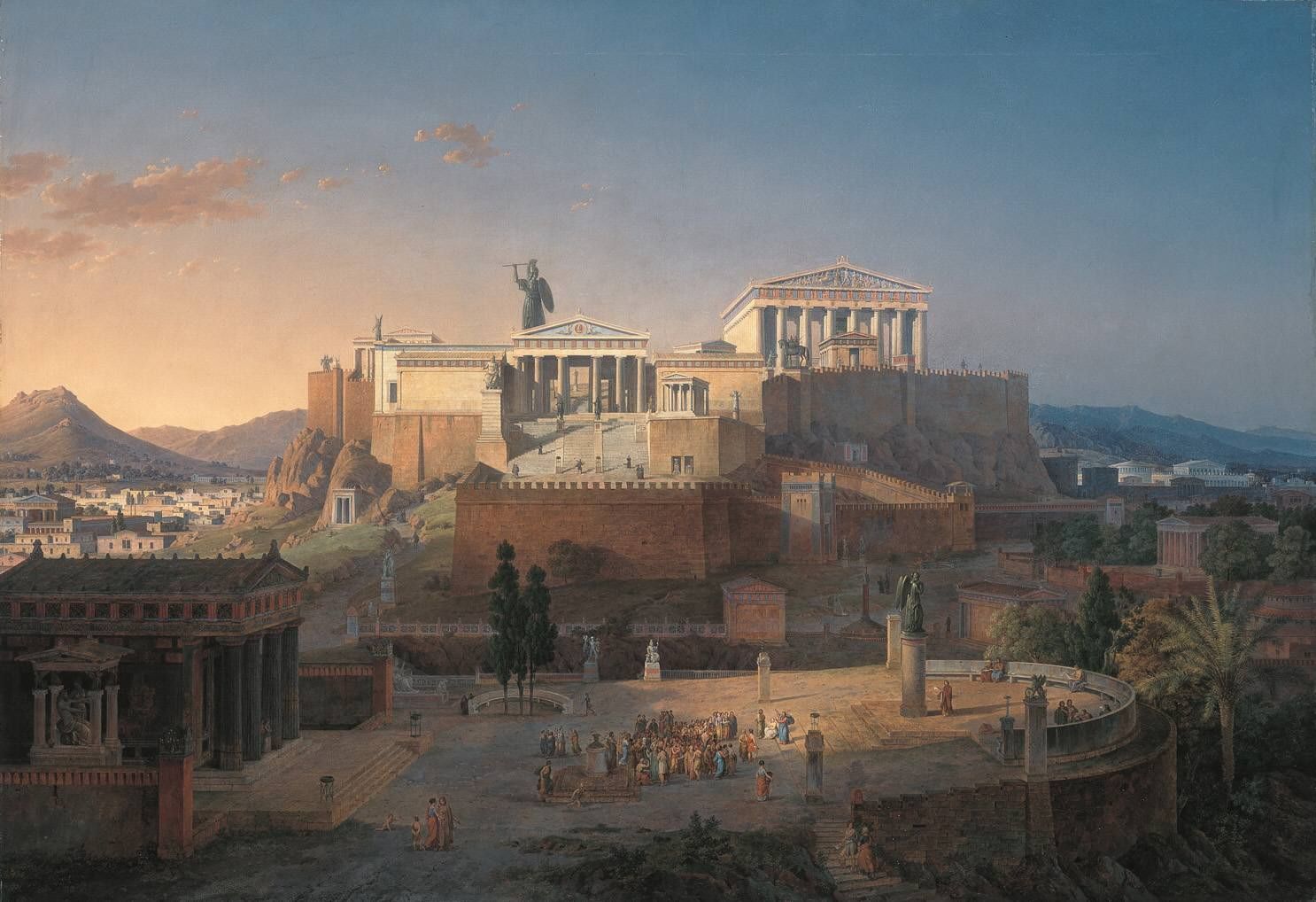
John Boyer joins Brian Kemple to discuss the decline of traditional liberal education and its impact on university curricula, emphasizing the superficial engagement with important questions in contemporary society, particularly through social media. In place of these superficial approaches, we ought to recover the Aristotelian understanding of causality, developing habits of real inquiry, and discovery […]
Beyond the University
Meaningful change never happens overnight. It takes years to establish and generations to perfect. The Lyceum Institute aims to build a new future for education—knowing it will not come quickly or easily, but that from a few minds truly dedicated to the cause, we can bring new life to learning beyond the university. The renewal […]

The Death and Evolution of Education – Part I: Introduction
This is the first in a four-part series on the Death and Evolution of Education, which seeks to explain why we cannot rely upon the university to provide the intellectual formation necessary for the common good, but must “evolve” a new approach to learning. One part will be published each week for the next four […]

On Higher Education
In recent years, a number of online alternatives to colleges and universities have been established, of which the Lyceum is but one, even as these conventional institutions expand their own digital presence. Many reasons spur on these alternatives—cost, time, location, curriculum, and so on—but the principal reason (at the very least, for the Lyceum’s existence) […]

Education and Digital Life
The Founding Declaration of the Lyceum Institute, Education and Digital Life, has now been published in paperback, along with a series of related essays written by Faculty and Board Members of the Institute. This slim volume (117 pages) outlines the why for the Lyceum Institute’s existence as well as the manner in which it pursues […]
Reclaiming Wisdom – Summer Fundraising Campaign
Reclaiming Wisdom – Perennial Truths for the Digital Age Once the center of Western culture, the University has lost its way. For centuries, it was a force both stabilizing and civilizing, training young minds to discover the perennial truths by which they were elevated above the merely material concerns of our baser nature. The University […]
