
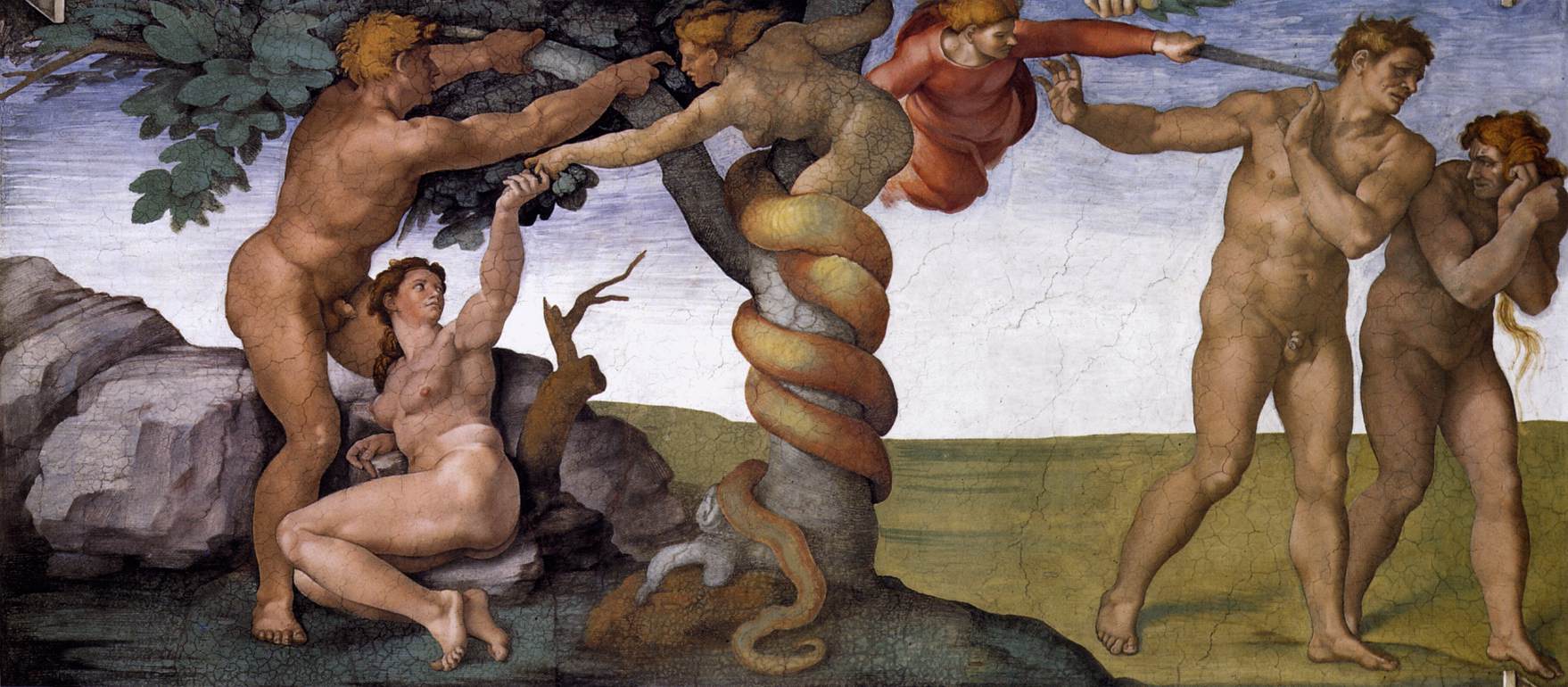
Disarming the Presuppositions against Faith
A Preface to a Long Conversation—on the relationship between faith and reason—begun by addressing the presuppositions which have made the conversation unnecessarily difficult. “There are not one hundred people in the United States”, once said Fulton Sheen, “who hate the Catholic Church; but there are millions who hate what they wrongly perceive the Catholic Church […]
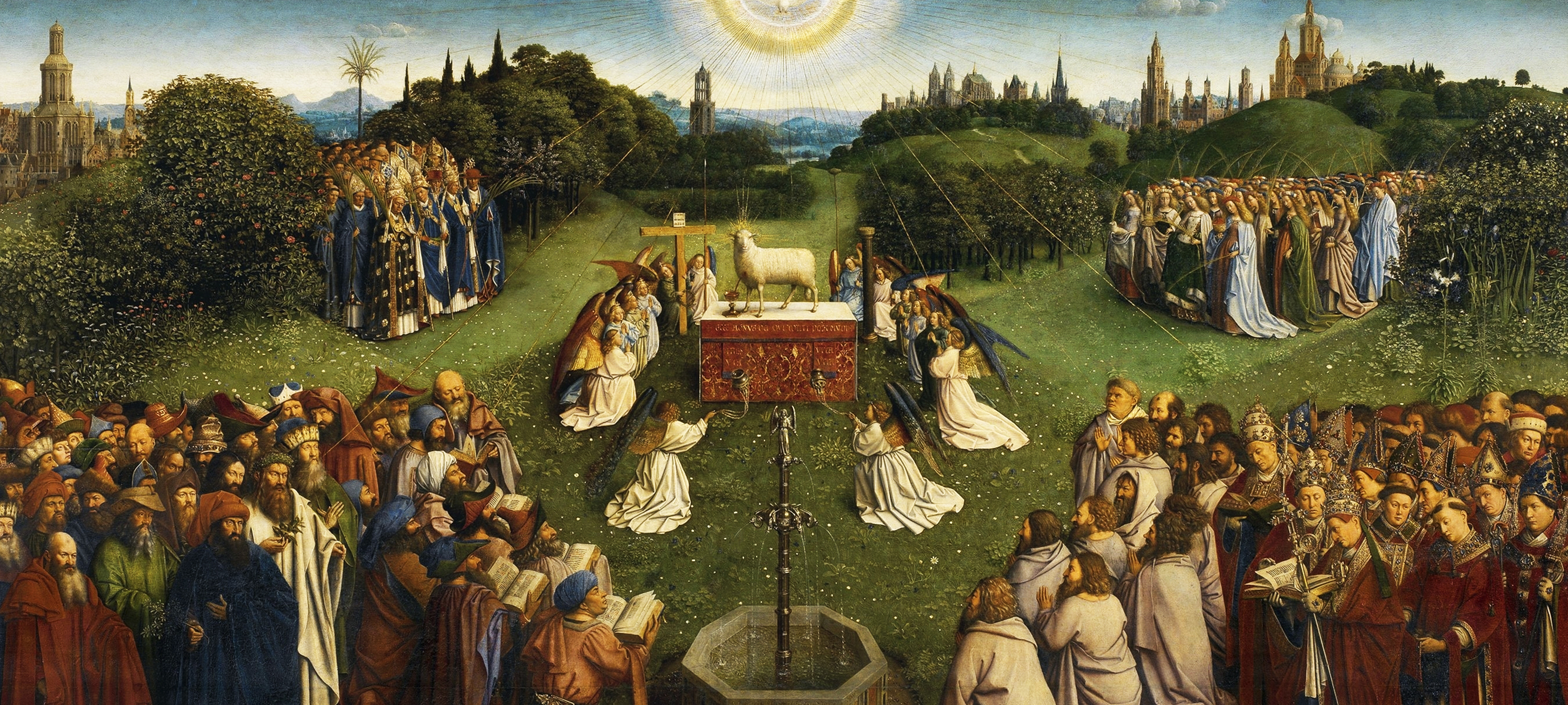
Controversies: Faith and Reason [Spring 2026]
Description Our guiding questions: Is the act of faith or belief in revelation distinct in kind from the operations of reason? Can reason prove faith? Can reason disprove faith? Can reason show faith as compatible with reason? | How is the faith to be made known? Sacred texts, whether the Bible, Qur’an, or Torah, have […]
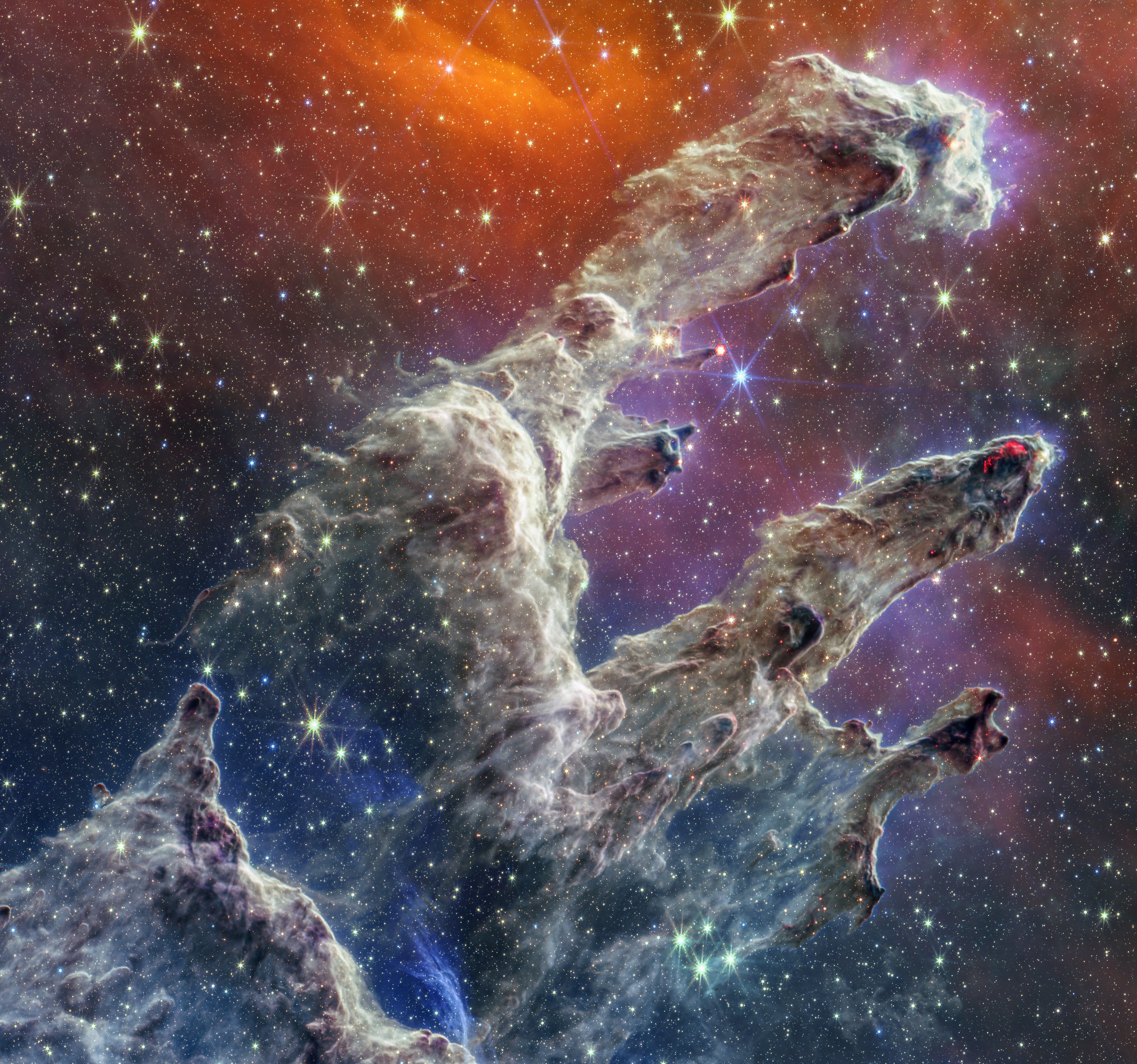
Discovering Meaning in the Cosmos
A Philosophical Happy Hour on the struggle against nihilism—cosmological and psychological—and inadequate methods to assure ourselves of meaning in the cosmos. What is meaning? What do we mean when we say the word? What does the word signify? It is one of those funny words that everyone seemingly believes himself to know and yet which […]

On Restoring Humanity
A Philosophical Happy Hour continuing our investigation into economics, politics, Catholic Social teaching, and the restoration of the good life for humanity. Last week, our Philosophical Happy Hour asked what Rerum Novarum, the 1891 Encyclical promulgated by Pope Leo XIII—and chief inspiration for the newly-elected Pope Leo XIV’s choice of name—could tell us about the […]

On Rerum Novarum and the Future of Human Society
A Philosophical Happy Hour investigating the Encyclical of Pope Leo XIII, Rerum Novarum, highlighting key passages and inquiring into their relevance today for considering the future of human society. Rerum novarum semel excitata cupidine, Pope Leo XII begins his famed Encyclical of 1891, “The desire of new things once having been aroused”, passes beyond the […]
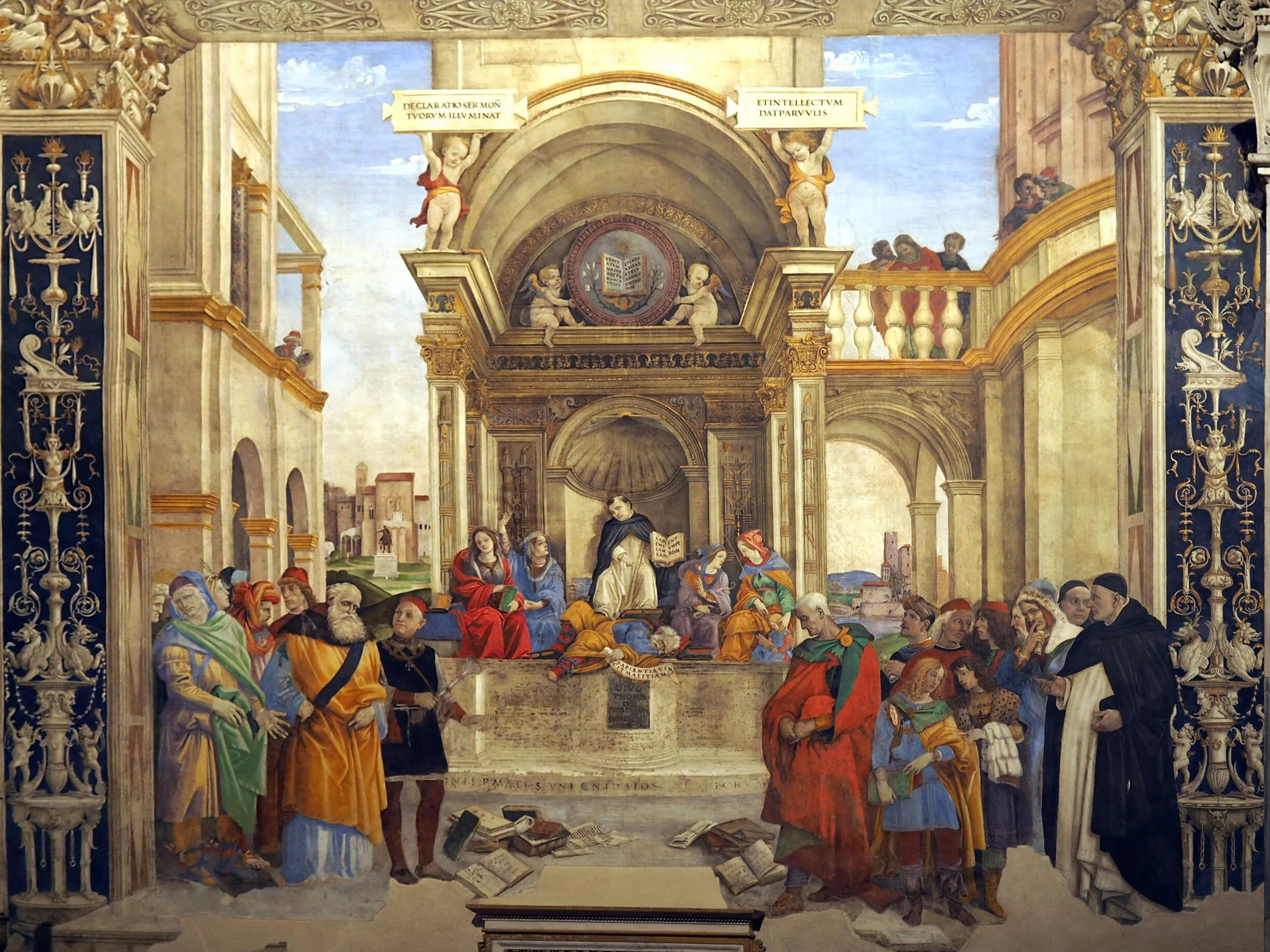
On the Relation of Reason to Faith
In this Philosophical Happy Hour we will turn our attention to the ever-persistent question of the relation between faith and reason. How should we understand the relationship between faith and reason? We will explore this question through the sharp and illuminating lens of St. Thomas Aquinas in his commentary on Boethius’ De Trinitate, specifically question […]

On the Thought of Immanuel Kant
A Philosophical Happy Hour on the structure and merits of Immanuel Kant’s key contributions to theories of knowledge and morality. Immanuel Kant’s philosophy remains a turning point in the history of thought, one that has shaped not only modern theories of knowledge—which “epistemology” has wound its way into countless other domains of human activity—but also […]

On the Renaissance and Human Dignity
A Philosophical Happy Hour on the notion of human dignity as conveyed through thinkers of the Renaissance. The philosophy of the Renaissance—a somewhat deceptive but now inescapably common name for the movement, occurring roughly (with some notable outliers) between 1350–1650, to retrieve Platonic thinking, emphasize the arts of grammar and rhetoric over that of logic, […]

On the Admission of Bad Taste
In lieu of Happy Hour on this Ash Wednesday, a brief reflection on the admission that we have “bad taste” in popular society, and the embarrassments that prevent our honesty. Since it is always unpleasant to have to admit the lack of something that everyone has as a matter of course, and which therefore properly […]

On Contemporary Atheism
A Philosophical Happy Hour centered around a reading of Jacques Maritain’s essay, “The Meaning of Contemporary Atheism”. Included in a collection of essays under the title, The Range of Reason, we find Jacques Maritain’s, “The Meaning of Contemporary Atheism”. We will gather this Wednesday (2/26/25) to discuss this essay’s primary intention—explaining what it means and […]
