
What Classical Education Needs
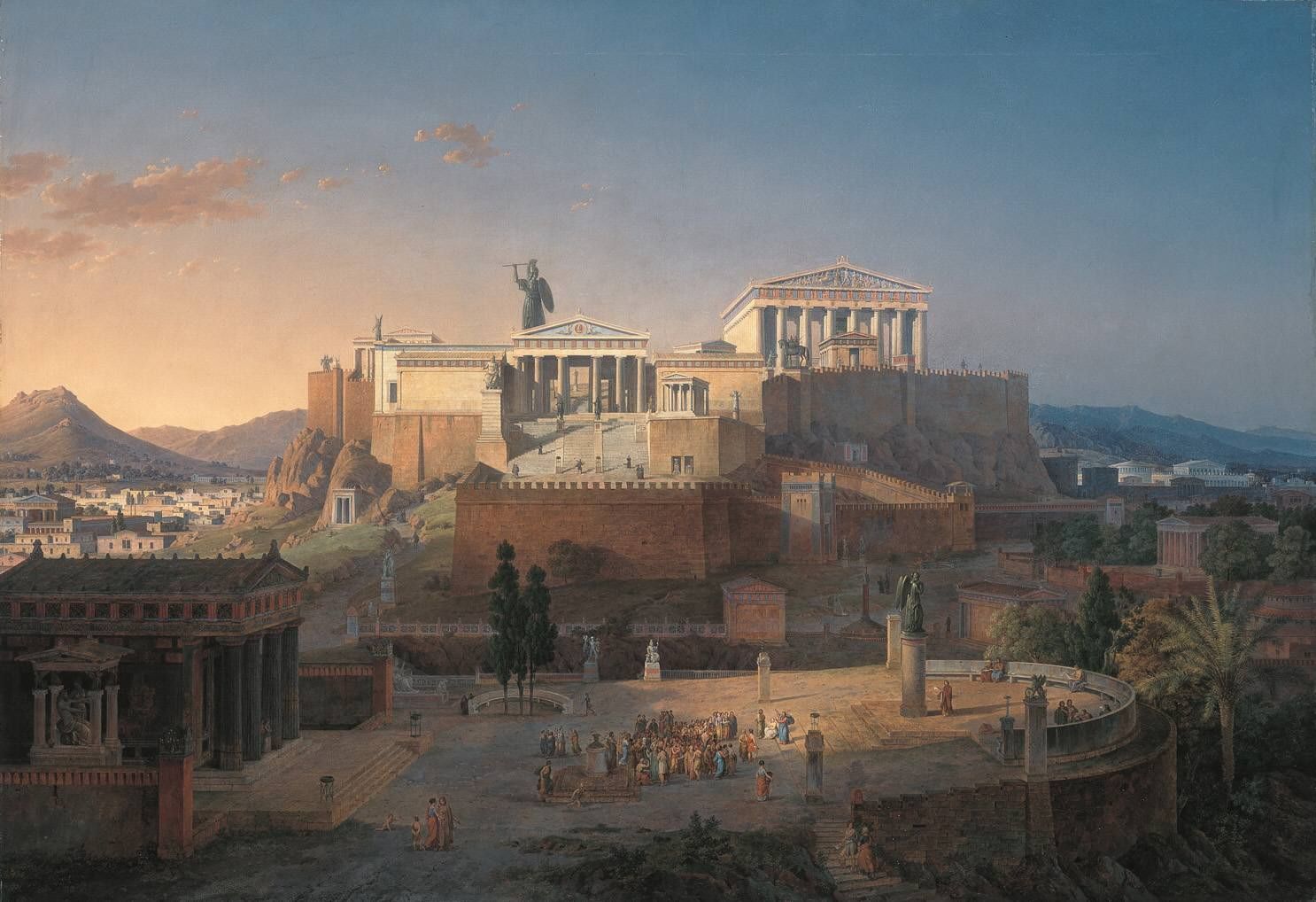
In this conversation, Geoffrey Meadows (Head of Upper School, Tulsa Classical Academy) discusses being a “hunter of causes” and the need to translate enthusiasm into hard work in classical education. Together with Dr. Kemple, he discusses the importance of philosophy, the impact of technology on education, and the necessity of moral formation in students. Geoffrey […]
The Mystery of Being and the Rediscovery of Tradition
In this conversation, Dr. Matthew K. Minerd reflects on his intellectual journey, highlighting the influence of language and philosophy—the dance of νοῦς before our eyes—in shaping his understanding of the world and his habits of inquiry. Listen as he and Dr. Kemple discuss the discovery of meaningful study, the development of a global intellectual perspective, […]
Philosophy and the Art of Reasoning
John Boyer joins Brian Kemple to discuss the decline of traditional liberal education and its impact on university curricula, emphasizing the superficial engagement with important questions in contemporary society, particularly through social media. In place of these superficial approaches, we ought to recover the Aristotelian understanding of causality, developing habits of real inquiry, and discovery […]
Building Habits of True Learning
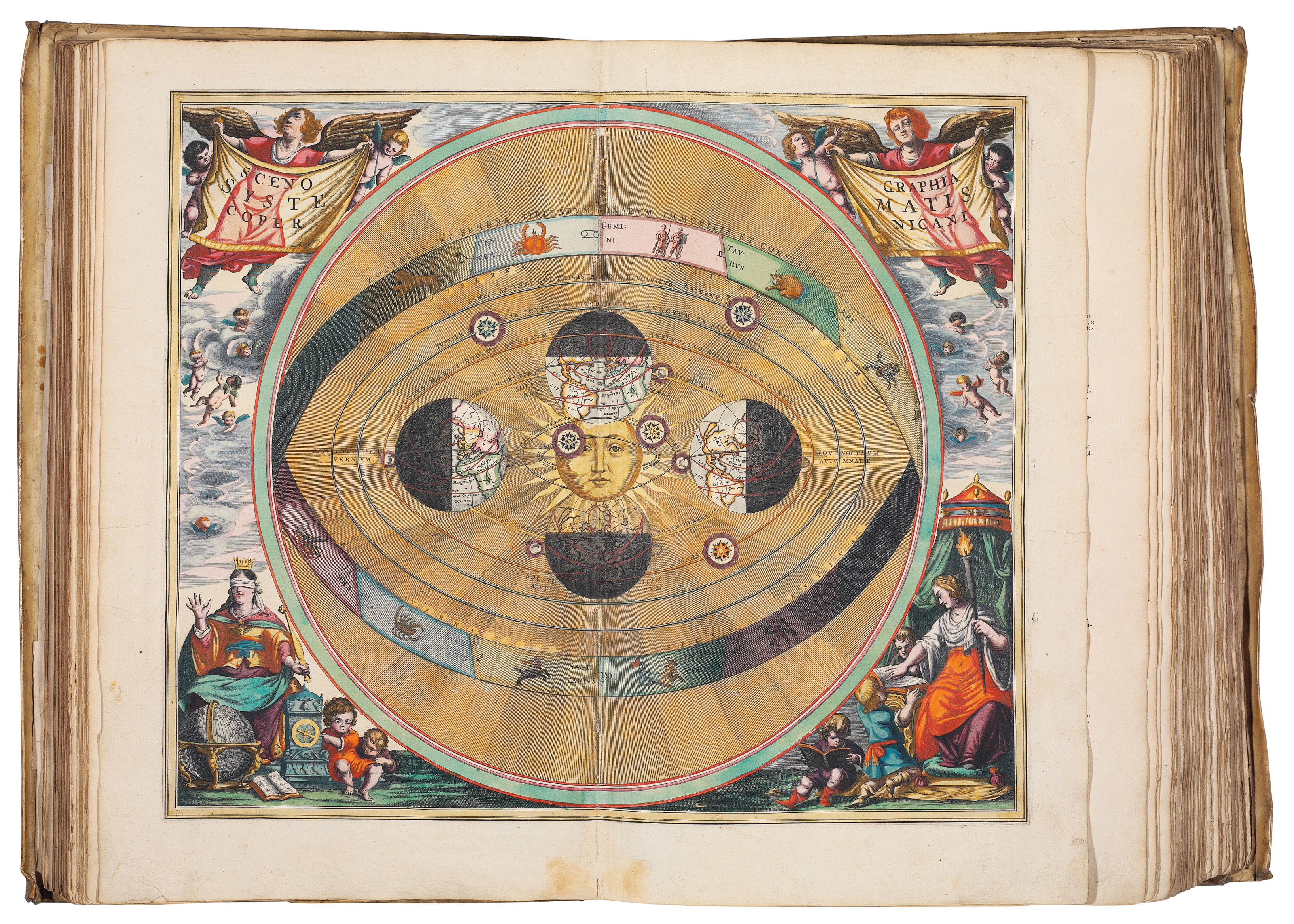
In this conversation, Dr. Jacob Joseph Andrews discusses his journey into the intellectual life, emphasizing the importance of personal development, moral formation, and the role of classical education. He highlights the significance of language study, particularly Latin, in understanding culture and fostering intellectual habits. Andrews also reflects on the value of specialized study and the […]

On Restoring Humanity
A Philosophical Happy Hour continuing our investigation into economics, politics, Catholic Social teaching, and the restoration of the good life for humanity. Last week, our Philosophical Happy Hour asked what Rerum Novarum, the 1891 Encyclical promulgated by Pope Leo XIII—and chief inspiration for the newly-elected Pope Leo XIV’s choice of name—could tell us about the […]

On Rerum Novarum and the Future of Human Society
A Philosophical Happy Hour investigating the Encyclical of Pope Leo XIII, Rerum Novarum, highlighting key passages and inquiring into their relevance today for considering the future of human society. Rerum novarum semel excitata cupidine, Pope Leo XII begins his famed Encyclical of 1891, “The desire of new things once having been aroused”, passes beyond the […]
On the Relation of Reason to Faith
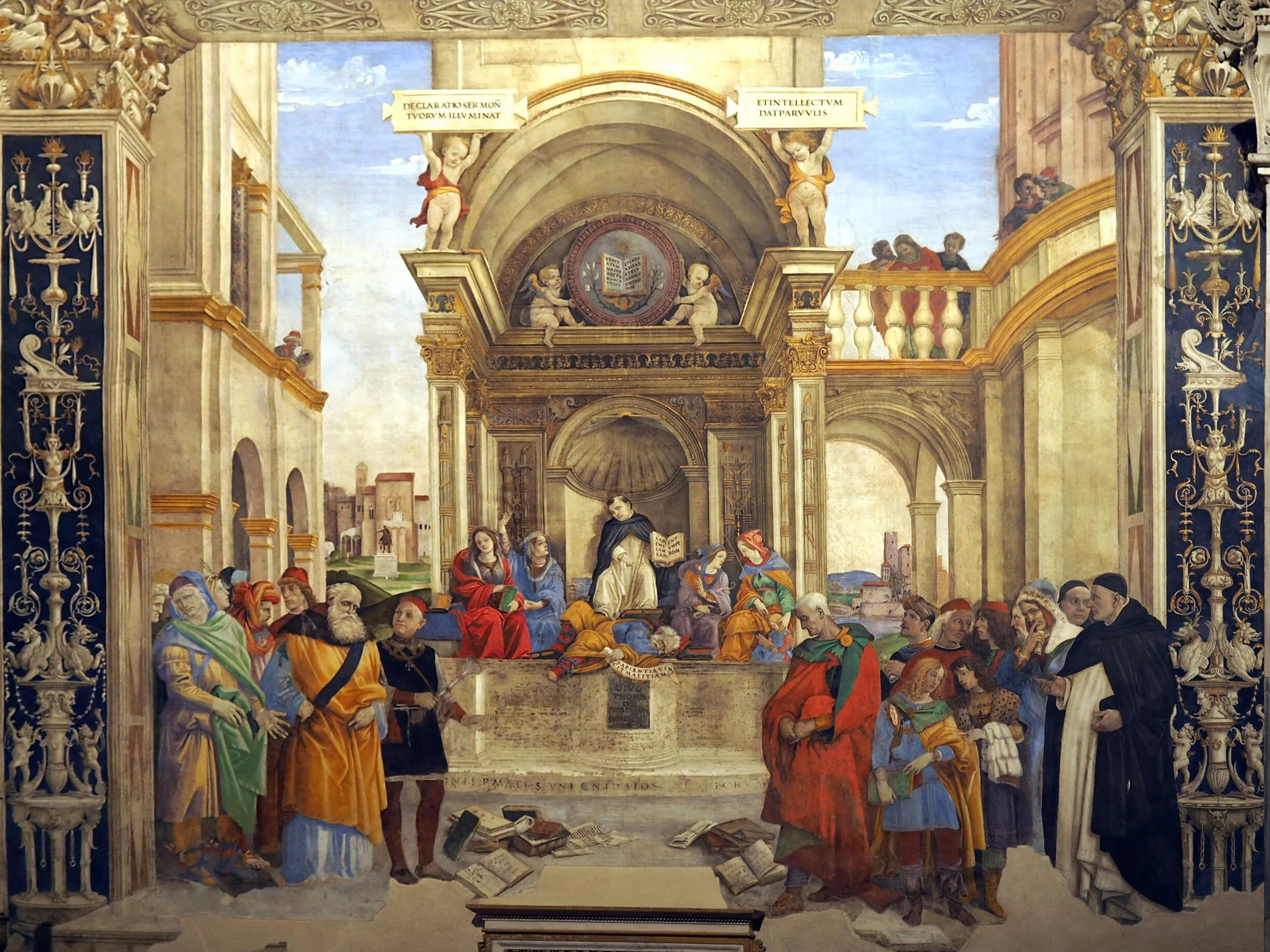
In this Philosophical Happy Hour we will turn our attention to the ever-persistent question of the relation between faith and reason. How should we understand the relationship between faith and reason? We will explore this question through the sharp and illuminating lens of St. Thomas Aquinas in his commentary on Boethius’ De Trinitate, specifically question […]

On Authentic Play
A Philosophical Happy Hour investigating the nature, significance, and importance of authentic play. What does it mean to play? Though we are all acquainted with play from an early age, we might be hard-pressed nonetheless to define it. On the one hand, it seems something common to higher animals: not only our pets—dogs and cats—but […]

On the Postmodern, Postliberal, and Postacademic
A Philosophical Happy Hour on the meaning of the postliberal, the postmodern, and the postacademic—and what we signify by “post-”. We do not think often enough about the meanings of words, especially those that have entered into the popular lexicon. The term ‘postmodern’ provides a good example of this unthinking, and in two ways. First […]

On the Experience of Evil in Our Souls
A Philosophical Happy Hour on the question: do we (some of us, all of us) need to experience evil—even sin, that experience of our own moral fault—in order to discover and know the good? Drawing upon some of the works of the great tradition, a member asks the question: “to what extent is it important […]
