

On Morality, Law, and the Exercise of Choice
A Philosophical Happy Hour on the relationship between morality and law, and what falls to our exercise of choice. St. Thomas Aquinas defines law as an ordinance of reason ordered to the common good, promulgated by one who holds responsibility for the community. This broad but precise definition allows us to distinguish kinds of law […]

Who is My Enemy?
A Philosophical Happy Hour inquiring into the nature of enmity, the distinction of public and personal enemies, and the morally rightful manner of holding oneself in opposition to others. We hear a lot these days about friends and enemies, and—it seems—not unreasonably. The world seems awash in hostility. But what is it, in fact, that […]

On Restoring Humanity
A Philosophical Happy Hour continuing our investigation into economics, politics, Catholic Social teaching, and the restoration of the good life for humanity. Last week, our Philosophical Happy Hour asked what Rerum Novarum, the 1891 Encyclical promulgated by Pope Leo XIII—and chief inspiration for the newly-elected Pope Leo XIV’s choice of name—could tell us about the […]

On Rerum Novarum and the Future of Human Society
A Philosophical Happy Hour investigating the Encyclical of Pope Leo XIII, Rerum Novarum, highlighting key passages and inquiring into their relevance today for considering the future of human society. Rerum novarum semel excitata cupidine, Pope Leo XII begins his famed Encyclical of 1891, “The desire of new things once having been aroused”, passes beyond the […]
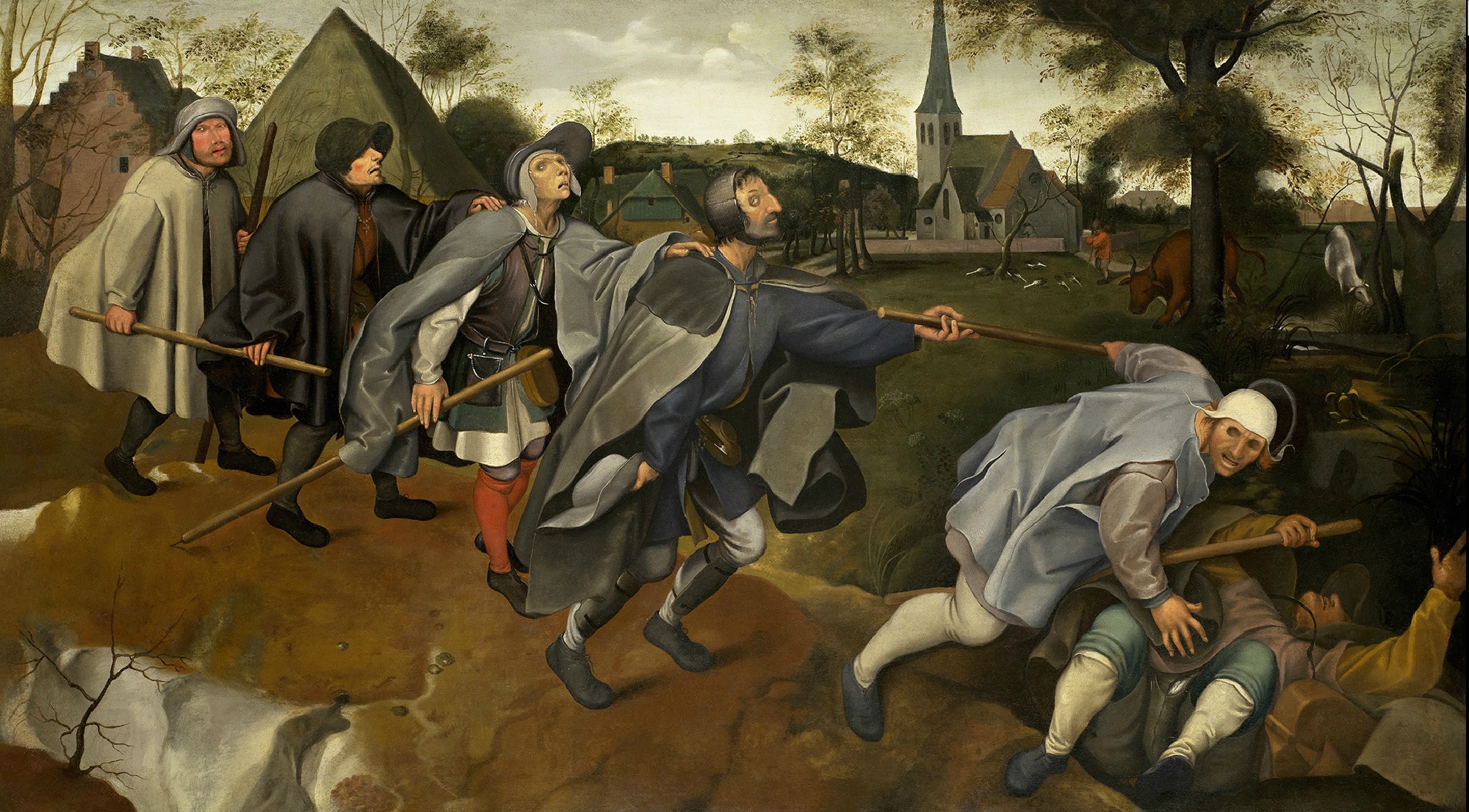
On Incompetence and Malice
On 13 July 2024, when a 20-year-old kid attempted to assassinate Donald Trump during a campaign rally—only inches away from doing so and taking the life of a rally-goer—it raised serious questions about the security around the former president. How could such a young man surveil the area with a drone, get into such an […]

Obeying Unjust Laws
St. Thomas defines law in Summa Theologiae I-II q. 90 aa. 1-4. It is an ordinance of reason for the sake of the common good made by someone bestowed with the care of the common good and promulgated. Hence, human law, which St. Thomas treats in I-II q. 95, must share the above definition in […]

Do Ideas Have Power?
“The potency of ideas lies in their ability to influence thinking, motivate action, shape cultures, and alter the course of history.” Why do we care so much about our ideas? What is an idea? What is power? Three questions that are familiar to human history, but, perhaps, too-little examined today. That ideas are important seems, no doubt, widely accepted […]

Living through the Barbarism
Perhaps this is an odd title—Living through the Barbarism—but it seems that ours is an age of unthinking strife. As a Lyceum Member asks: What is work and what is its purpose? This is something I have been thinking about a lot recently but also as a follow up to our conversation on Private Property […]

On Natural Law and Justice
In his work Introduction to Moral Theology, Fr. Romanus Cessario O.P. remarked on certain misconceptions with respect to how the natural had grown in application and importance over time in the late 19th and early 20th centuries: arguing that the presentation of the natural law given in teaching manuals was anachronistic and unhelpful, and in […]
Ignorance of History and Moral Weakness
“Those ignorant of history are condemned to repeat it” — an oft-iterated maxim that is both often ignored, and, perhaps, misleads. Some history ought, perhaps, to be repeated. (Originality is seldom all that it is praised for being.) Nevertheless, an ignorance of history does have pernicious consequences. It makes us narrow-minded, arrogant, selfish, and ungrateful. […]
