

On the Necessity of Friendship for Discovering the Good
A Philosophical Happy Hour focused on the question of friendship: its nature, deepening, and the necessity of others with whom we share the search for the good. I have spent much of my life alone. The youngest in my family, I began homeschooling in fourth grade, and continued until I started community college, before transitioning […]
On the Univocal and the Analogical
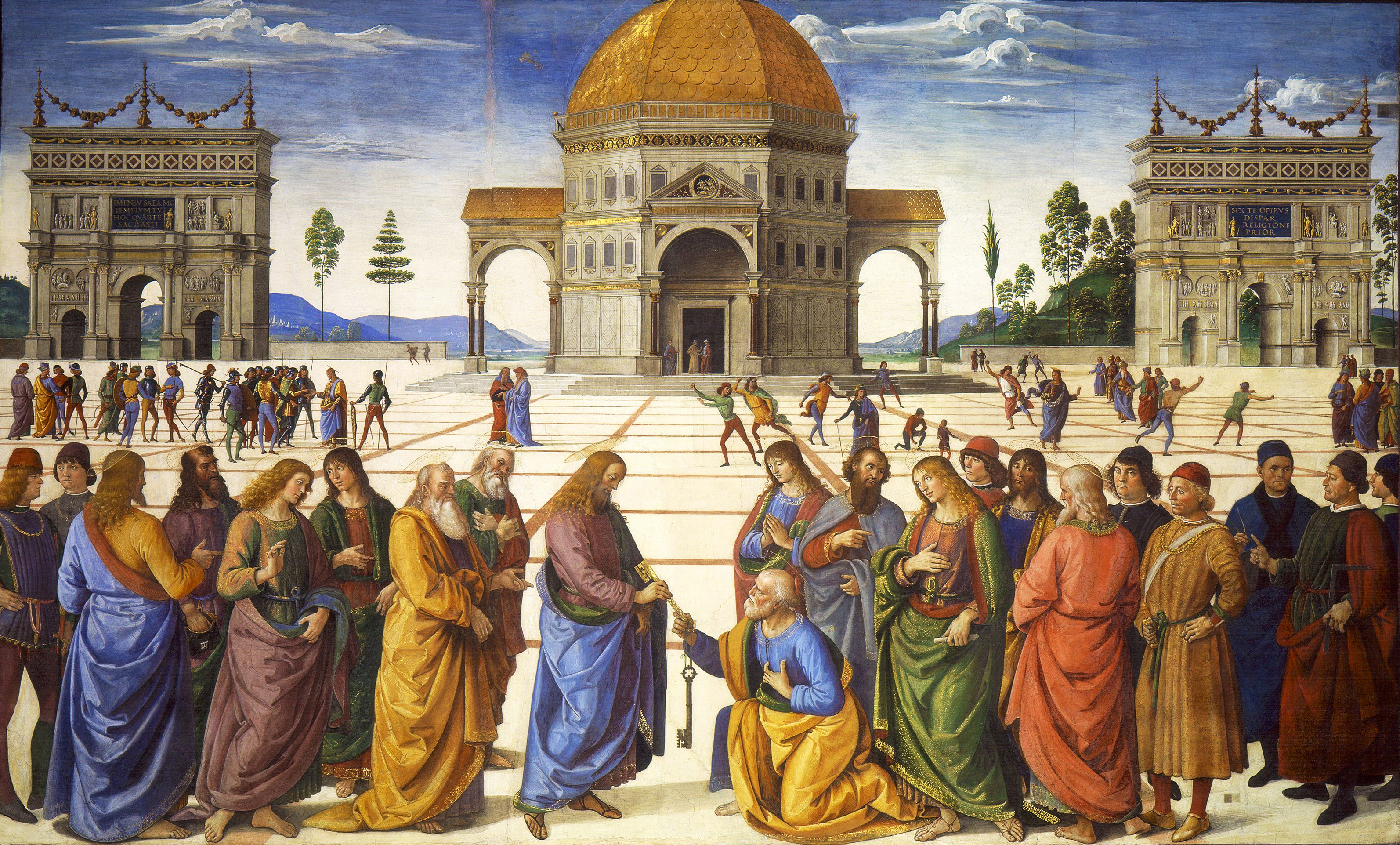
A Philosophical Happy Hour investigating the principles and aims of language through univocal and analogical predication. What is the meaning or the significance of a word? This question may operate on two levels: first, concerning a specific word’s meaning—“tree” or “justice”, “fruit” or “truth”; or, second, concerning the relationship between meaning in general and words […]
What Makes a Thinker Worth Exploring?
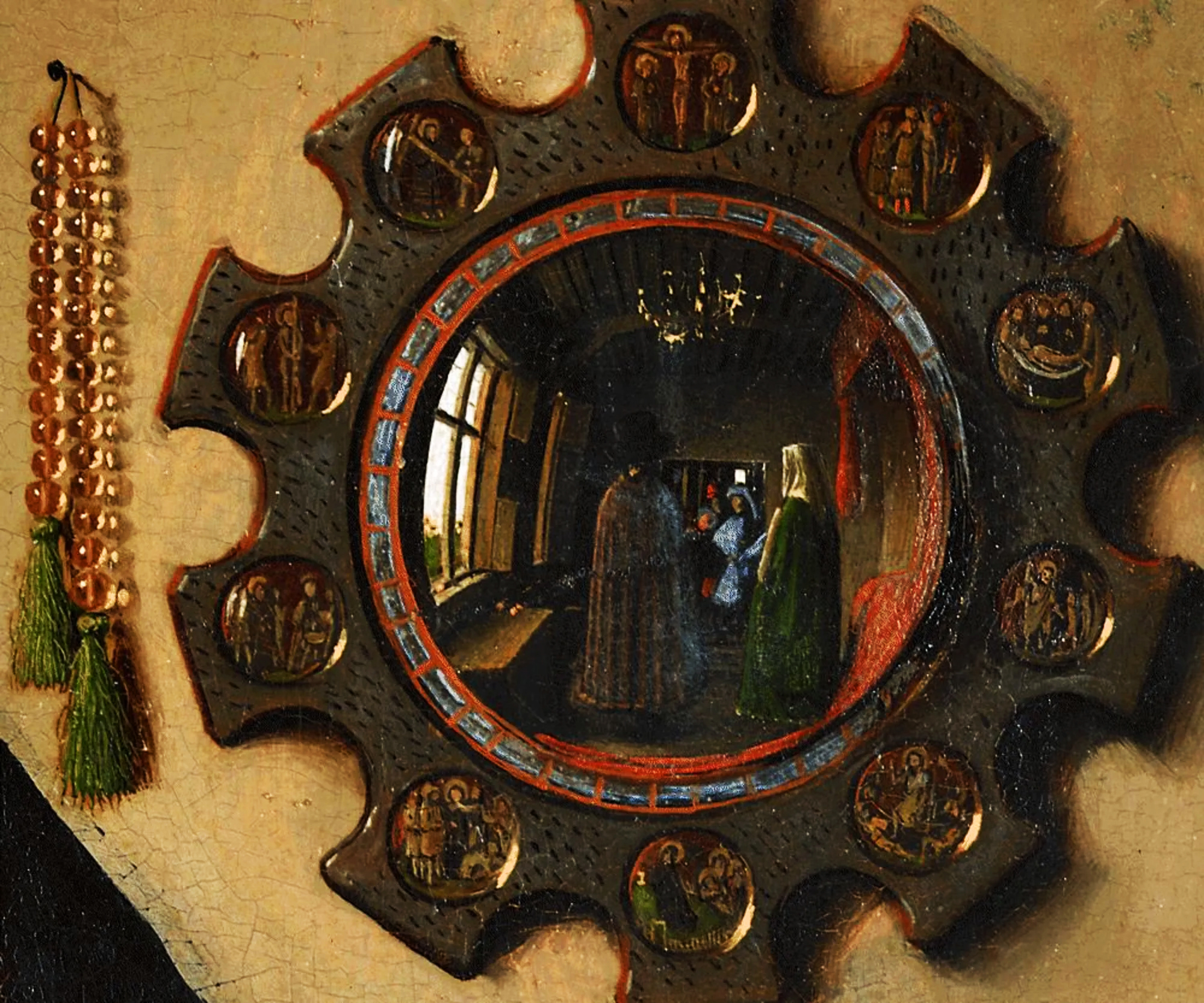
A Philosophical Happy Hour asking why (or whether) we should read some thinkers over others, explore some ideas before the rest, and take some philosophers more seriously than others. A question surfaces again and again in philosophical discussion, sometimes with impatience: why do certain thinkers keep returning? Why are Plato and Aristotle, Augustine and Aquinas, […]

The Death and Evolution of Education – Epilogue: Building New Institutions
This is the epilogue to a four-part series on the Death and Evolution of Education, which seeks to explain why we cannot rely upon the university to provide the intellectual formation necessary for the common good, but must “evolve” a new approach to learning. Part I: Introduction can be found here, Part II: The Hostile […]

The Death and Evolution of Education – Part IV: Evolution of Higher Education
This is the fourth in a four-part series on the Death and Evolution of Education, which seeks to explain why we cannot rely upon the university to provide the intellectual formation necessary for the common good, but must “evolve” a new approach to learning. Part I: Introduction can be found here, Part II: The Hostile […]
The Death and Evolution of Education – Part III: Maladapted Universities
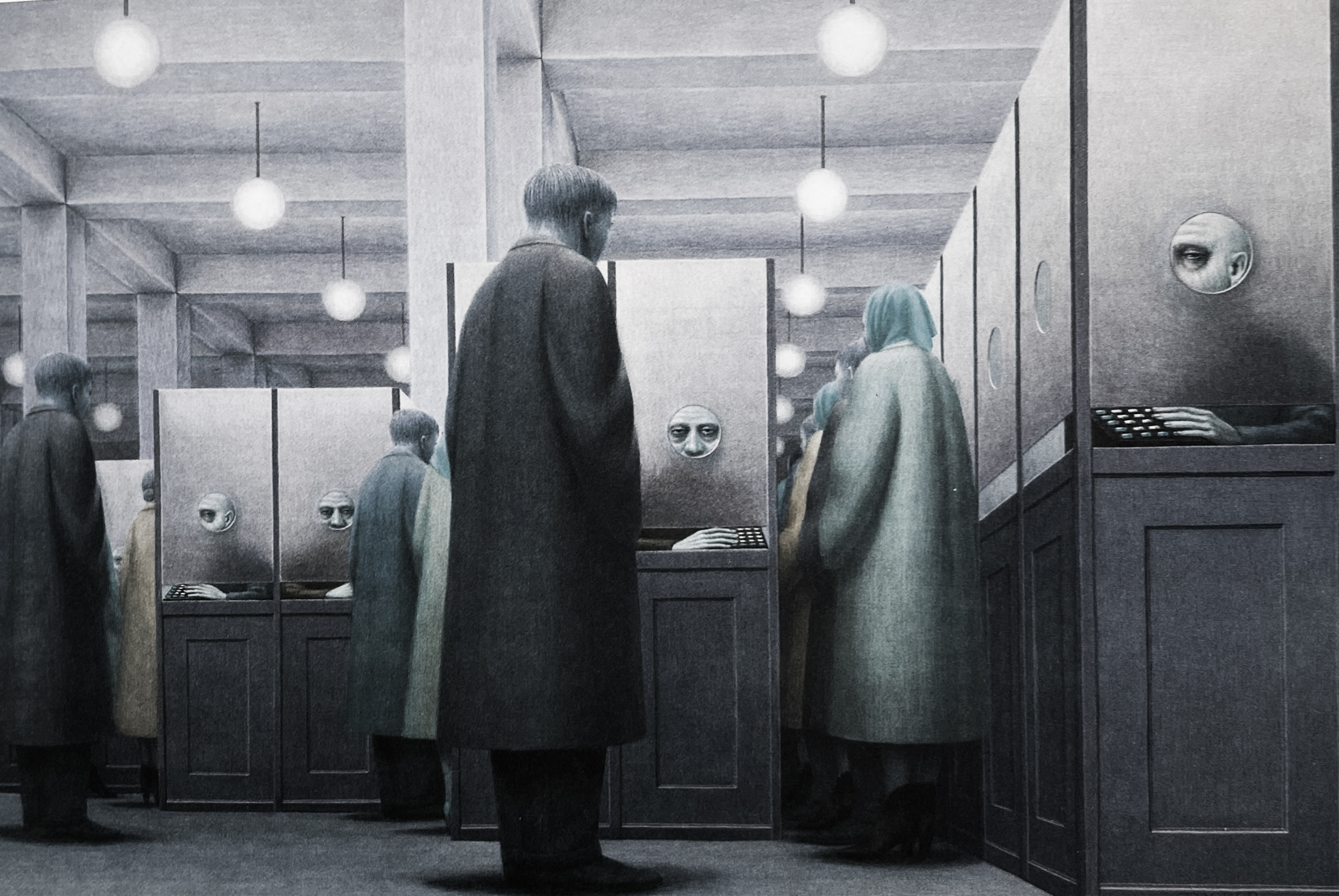
This is the third in a four-part series on the Death and Evolution of Education, which seeks to explain why we cannot rely upon the university to provide the intellectual formation necessary for the common good, but must “evolve” a new approach to learning. Part I: Introduction can be found here, and Part II: The […]

The Death and Evolution of Education – Part II: The Hostile Environment
This is the second in a four-part series on the Death and Evolution of Education, which seeks to explain why we cannot rely upon the university to provide the intellectual formation necessary for the common good, but must “evolve” a new approach to learning. Part I: Introduction can be found here. In this, Part II: […]

On Reality, Realism, and the “Real World”
A Philosophical Happy Hour on what makes something “real”, what is “reality”, what is “realism”, what belongs to the “real world”, how we know “the real”, and why it is important. “Just wait until you get into the real world.” “That isn’t a real problem.” “Get a real job.” We have all heard expressions such […]

Being Realists
The first step on the realist path is to recognize that one has always been a realist; the second is to recognize that, however hard one tries to think differently, one will never manage to; the third is to realize that those who claim they think differently, think as realists as soon as they forget […]

Phenomenology: An Introduction
What is phenomenology? This question has been asked, indeed, seemingly since the word “phenomenology” was first introduced. It is a question, also, which gives testimony to a point often made by John Deely: efforts at philosophical innovation require either the posit of a neologism, in which case no one understands its significance, or the effort […]
