
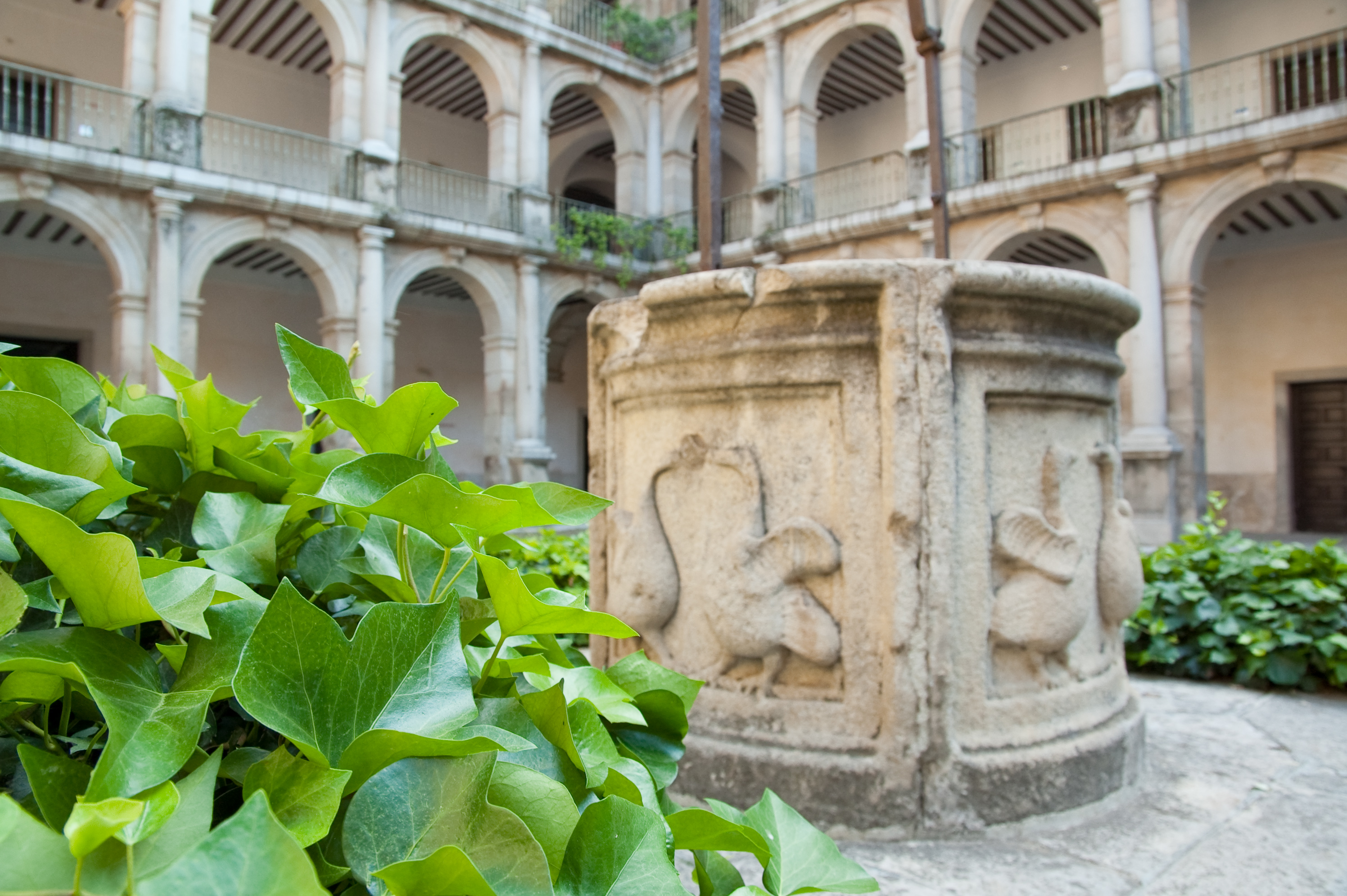
John Poinsot – Cursus Philosophicus
Cursus PHILOSOPHICUS John Poinsot, O.P., also known as Joannes a Sancto Thoma (1589–1644) wrote two major works in his lifetime: the Cursus Theologicus, on which incomplete text he worked from 1635 until 1643, when he was requested to become counselor and Royal Confessor to King Philip IV of Spain. While attending to this new duty, […]
On Self-Education
As part of our program, members at the Lyceum Institute are encouraged to suggest rich topics for our weekly Philosophical Happy Hour. One member writes: What is the value of self-education? By this I mean education that one engages in, (either through books or courses) without the aid of a teacher. I think there is […]
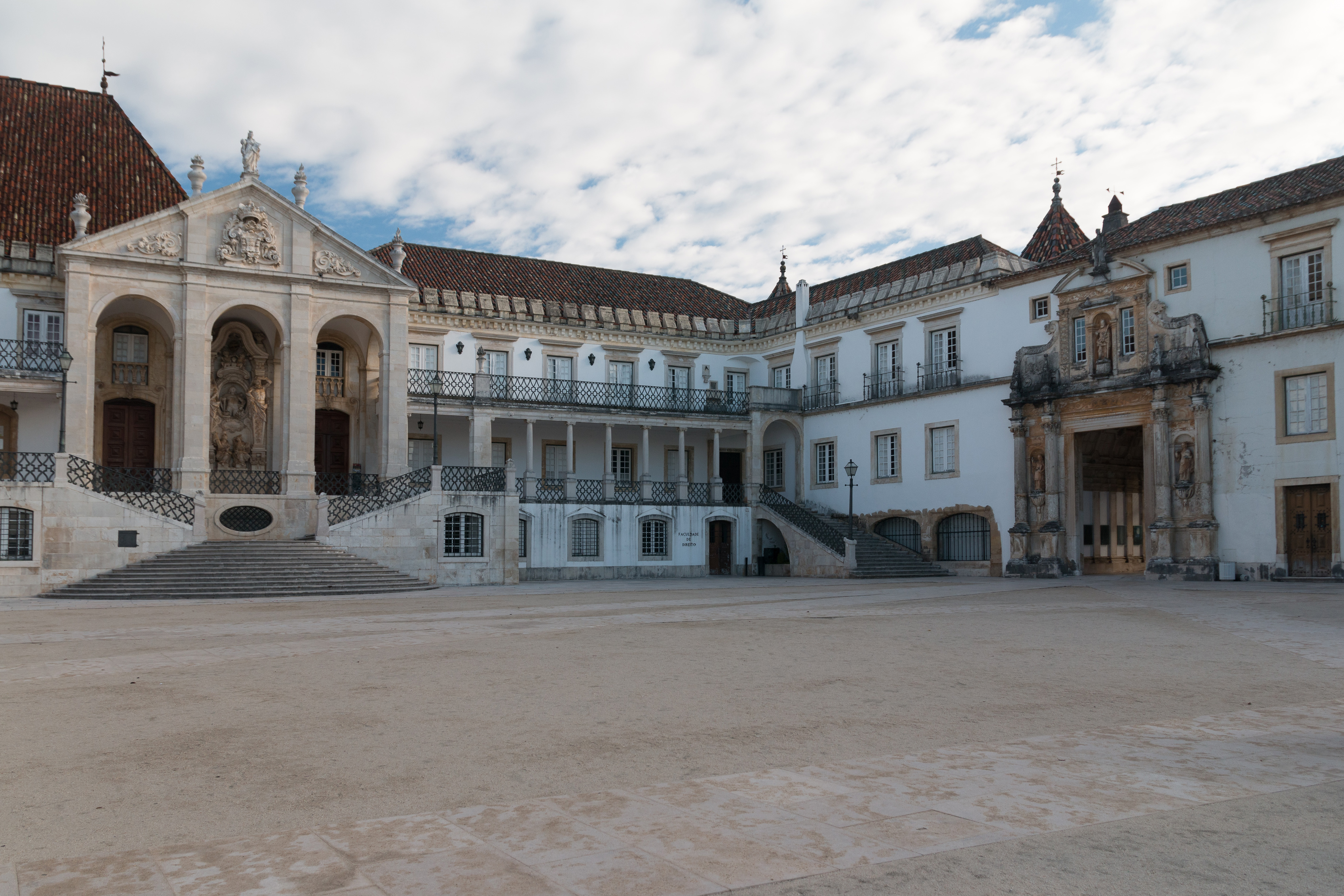
John Poinsot – Cursus Theologicus
Cursus Theologicus The work of John Poinsot, also known as Joannes a Sancto Thoma (though as John Deely noted, his name has often been given in many other variations, across English, Portuguese, Italian, Spanish, French, and Latin), has long been the victim of great neglect. His Cursus Philosophicus was critically-edited and published in the 1930s under the […]
What does it mean to be “Rational”?
Common sense. “Practical.” “She has a good head on her shoulders.” “You’re being irrational!” Sayings uttered with frequency—but are they said with understanding? What do we mean by “being rational”? We contrast reason with feeling or emotion. We contrast reason or the rational, also, with the “irrational”. Does this mean that feelings or emotions are […]
Connection of the Philosophical and the Pragmatic
One could argue—and I have myself many a time—that never before in human history has there been greater need for the presence of philosophical habit and the realization of philosophical wisdom. We find ourselves engaged in constant communication. Therefore, we find ourselves also immersed ever more in ideas. A theoretical grasp of those ideas seems […]

IO2S Deely – Mind and Cognition at play in the Semiotics of Peirce
On 12 February 2022 at 10am ET/3pm UTC (see times around the world here), Lucia Santaella will present on “Mind and Cognition at play in the Semiotics of Peirce”. Santaella is a researcher 1A of CNPq, graduated in Portuguese and English Literature. She is a Full Professor in the Post-Graduate Program in Communication and Semiotics […]
