
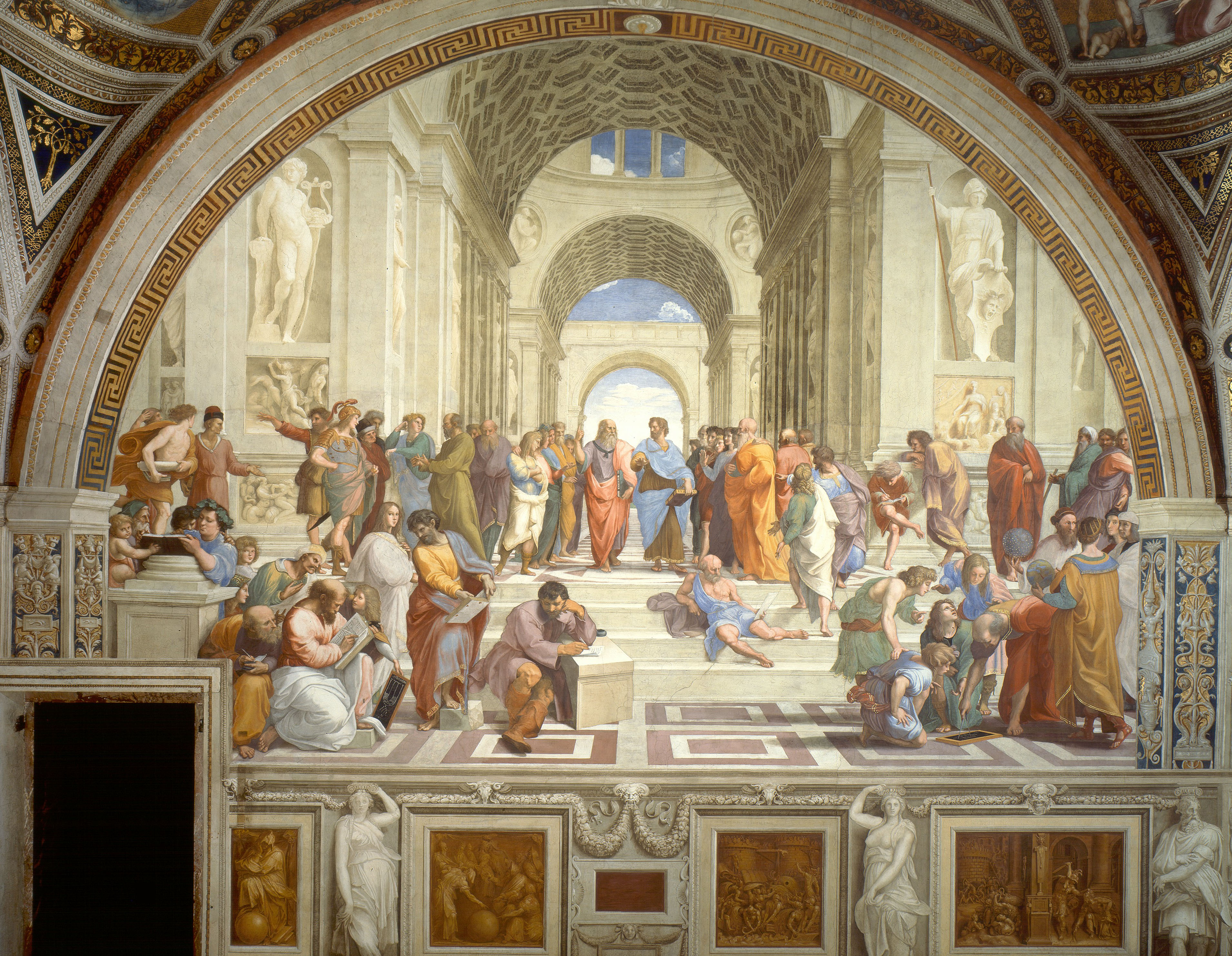
On Progress, Tradition, and Continuity
A philosophical reflection on the tensions between progress and tradition and their resolution through continuity All too often, the notions of progress and tradition alike are swallowed into the ideologies that make of them principles both absolute and opposed to one another. Put otherwise, when progressivism and traditionalism come to prevail, we often lose not […]
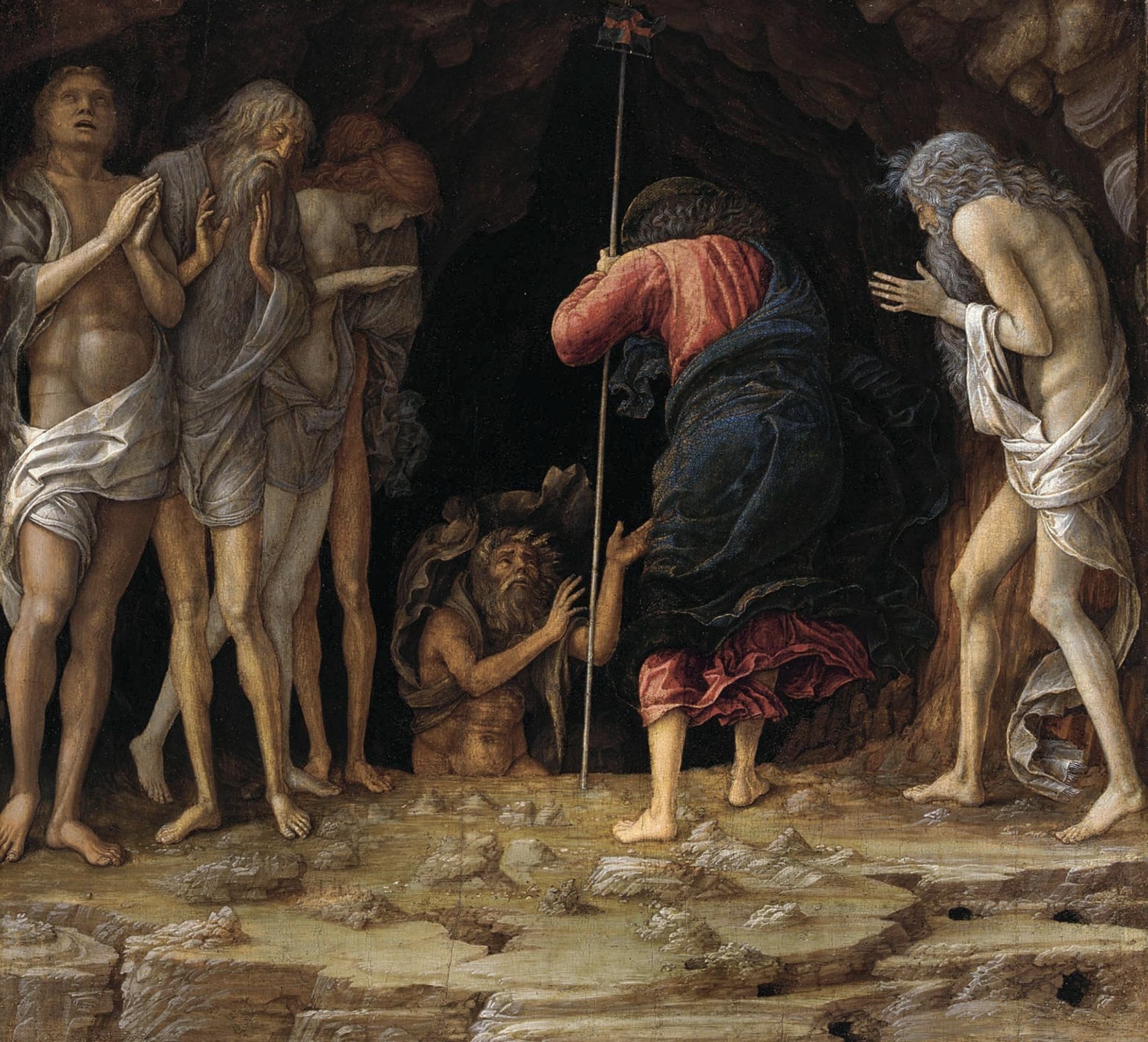
On the Significance of Death
An essay on avoidance of thought about the significance of death. By now, even without knowing much about him, I suspect that most people have likely heard of Bryan Johnson, the men employing the most extreme and elaborate (and expensive) anti-aging protocol in recorded history. Johnson believes that, through the use of medicine, scientific understanding, […]
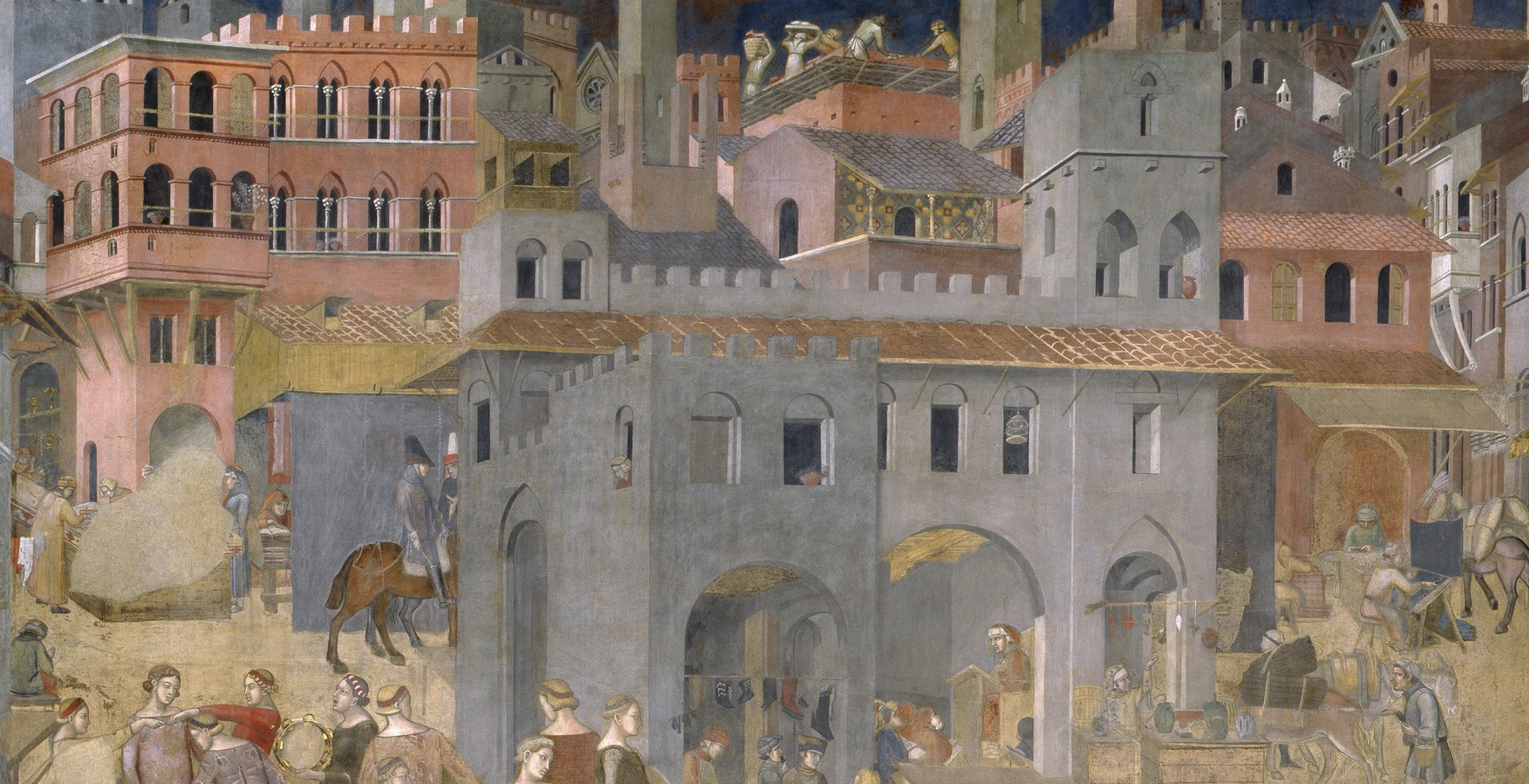
The Future is Technoclassical: Signs of the McLuhan Century (Part One)
It is fairly straightforward (and glum) to observe that our culture’s dependence on, and even reverence for, technological innovation has, in large part, led to the widespread displacement of the humanities by STEM (Science, Technology, Engineering, and Mathematics) in institutions of higher learning. Nevertheless, the perhaps unexpected ways in which our technological culture is implicated […]

A Reflection on Magnificence
When I thanked a donor for making a generous contribution to our Endowment Fund, he sent a simple reply—one I was not expecting. “I’m glad to help and want to thank you for guiding us towards truth and good in a world sorely lacking in both.” I’m probably not the guide the world needs (or the […]

On the Admission of Bad Taste
In lieu of Happy Hour on this Ash Wednesday, a brief reflection on the admission that we have “bad taste” in popular society, and the embarrassments that prevent our honesty. Since it is always unpleasant to have to admit the lack of something that everyone has as a matter of course, and which therefore properly […]

The Depth and Extension of Semiotics [an excerpt]
The following is an excerpt from the lectures for the Semiotics: Thought and Contributions of John Deely seminar offered at the Lyceum Institute. This seminar will be offered again in January (Q1) of 2025. Sign up for our Newsletter to be notified of when to register! Few truths elude our awareness, let alone our full […]

John Deely on the Boundaries of Time
The past is prologue to the present as the present is prologue to the future. But these terms need defining, not so much the term “prologue” as the terms “past”, “present”, and “future”, for they represent the divisions of time as a framework or measure for the pinpointing of events, and so have no fixity […]

Total (Moral/Human) Annihilation
The following is excerpted from Lewis Mumford’s 1961: The City in History, c.18, “The Myth of Megalopolis”, an important source in our upcoming Difficulties of Technology seminar. Here we explore the themes of “total human annihilation”—particularly in its moral dimension. Naïve Functionaries of Annihilation Much of the thought about the prospective development of cities today […]
Lying and Truth as Accomplishments
The following is excerpted from a presentation given by John Deely on 1 March 2014 at the 37th Annual Meeting of the American Maritain Association. What Makes Possible both Lying and Truth as Human Accomplishments Comment “Listening to Maritain on the subject of sign as treated by Poinsot…” We should, in fact, listen to John […]

Language as Craft: Building Blocks for Communication
The following is a reflection authored by Columbanus Fellow Sneha Jain. Language’s fundamental purpose is to communicate the intention of the speaker or writer. By nature, however, language is conventional, which can confuse or obscure the desired message. In other words, language relies upon stipulation, and it is often assumed—whether rightly or wrongly— that the […]
