
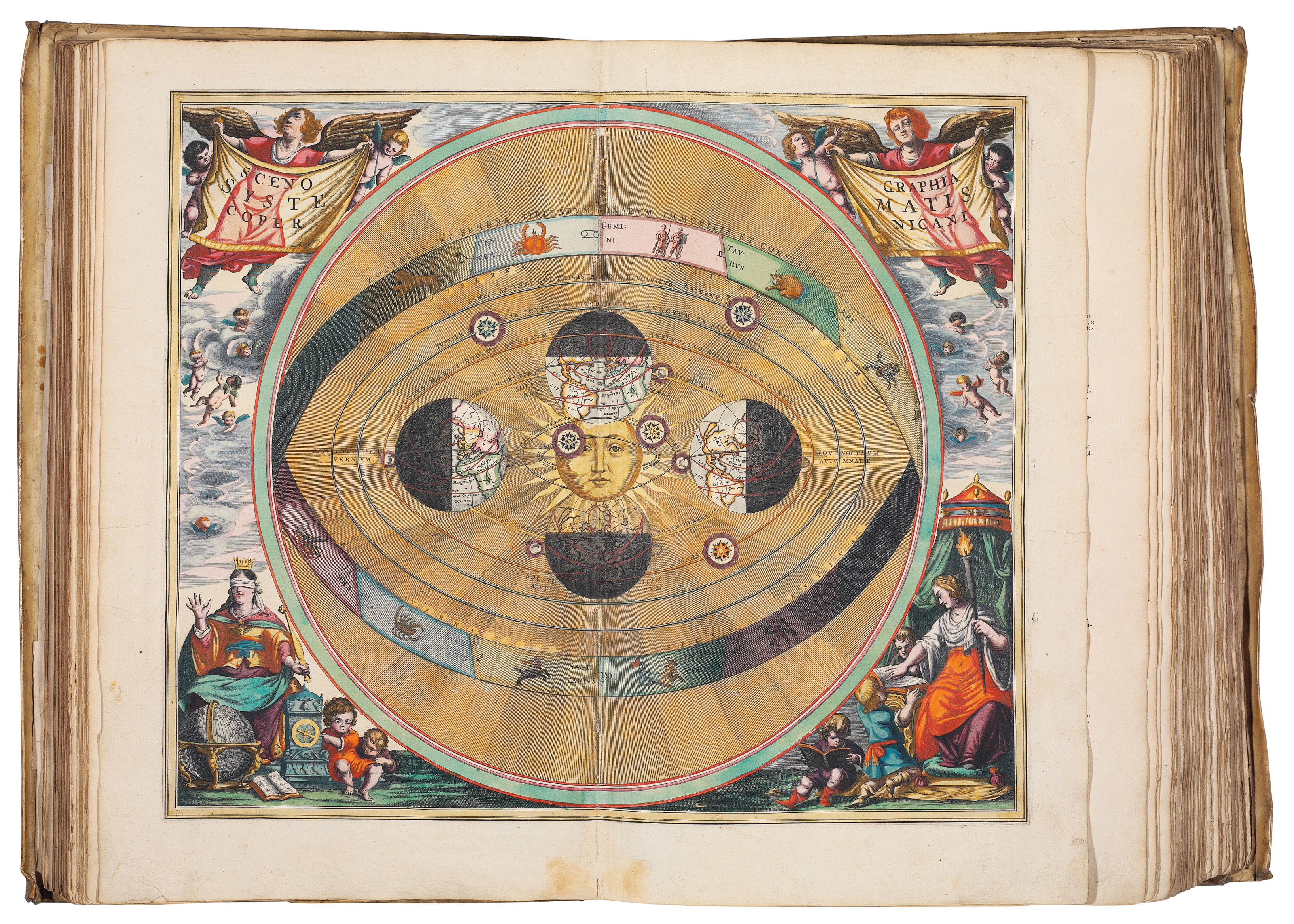
On the Discomfort of Unfamiliar Studies
A Philosophical Happy Hour on the struggle to study unfamiliar topics, subjects, texts, and skills—and the necessity of that discomfort Atop my bookcases—visible just over my computer monitors, reminding me of its presence nearly every day—sits a nice four-volume hardcover set titled The World of Mathematics. This set intimidates me. Though I have a PhD […]

Lecture: The Centrality of Noble Goods for Human Flourishing
Last year, the Lyceum Institute hosted Dr. Daniel De Haan (Frederick Copleston Senior Research Fellow & Lecturer in Philosophy & Theology in the Catholic Tradition Blackfriars and Campion Hall / Research Fellow, Ian Ramsey Centre for Science and Religion, Faculty of Theology and Religion, University of Oxford) for a colloquium presentation on “The Centrality of […]

On Memory and its Training
A Philosophical Happy Hour on the nature, operations, and training of the memory. “This invention [of writing]”, says the Egyptian King Thamus, in Plato’s Phaedrus, “will produce forgetfulness in the souls who have learned it.” It perhaps shocks us, slightly at least, to read this condemnation of writing. But let us consider the rest of […]
Secure Our Foundations
Wisdom and Dignity This [ability to know things as they truly are], then, is that dignity of our nature which all naturally possess in equal measure, but which all do not equally understand. For the mind, stupefied by bodily sensations and enticed out of itself by sensuous forms, has forgotten what it was, and, because […]
On the Problem of Education
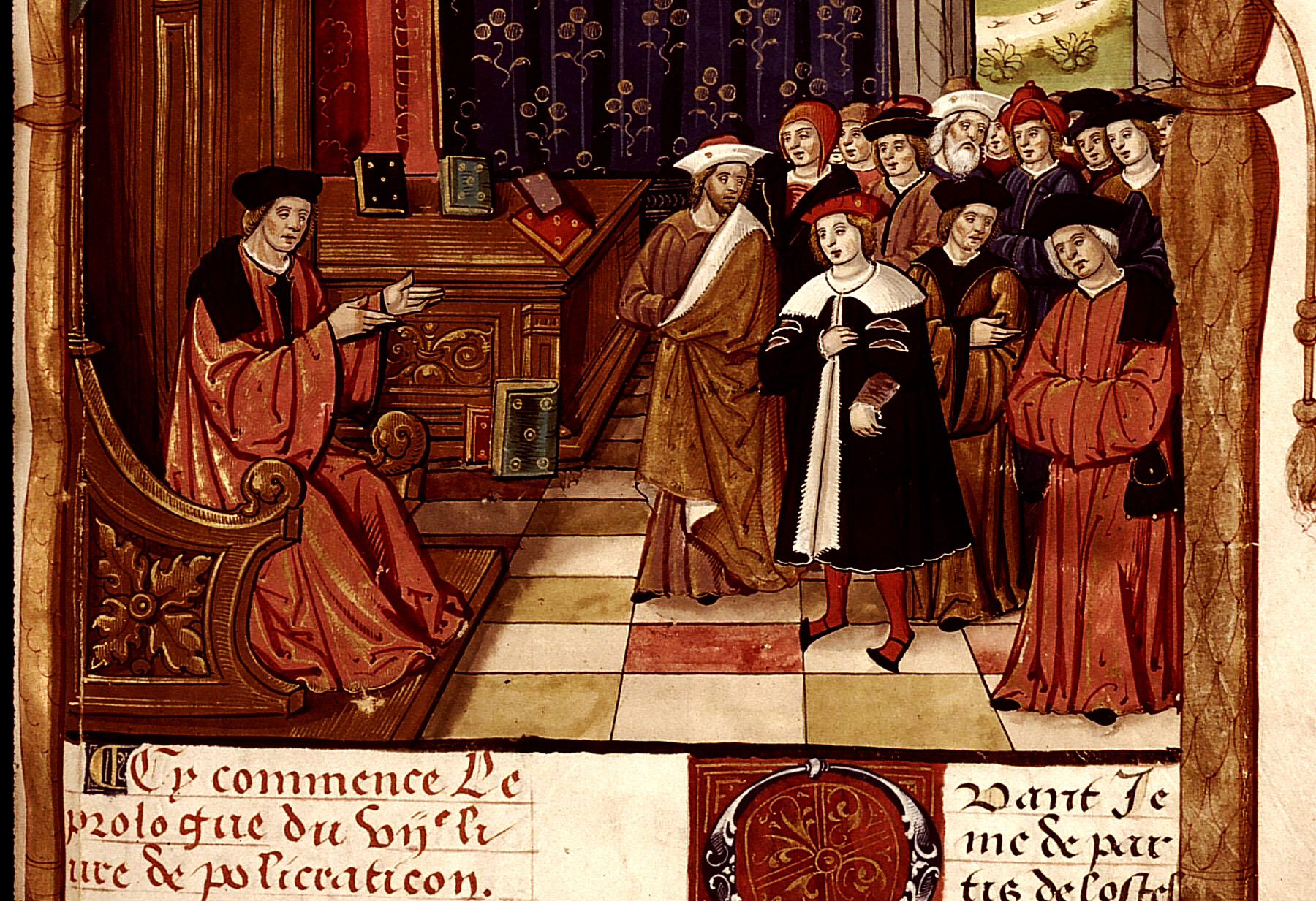
A Philosophical Happy Hour concerning the problem of universal education: should we educate everyone? To what extent? How? Why (not)? If we look today at the results of universal education, particularly over the past century, we may think that its institution was a mistake. The results are those of decline. High test scores in a […]

Discovering Meaning in the Cosmos
A Philosophical Happy Hour on the struggle against nihilism—cosmological and psychological—and inadequate methods to assure ourselves of meaning in the cosmos. What is meaning? What do we mean when we say the word? What does the word signify? It is one of those funny words that everyone seemingly believes himself to know and yet which […]
Historic Foundations
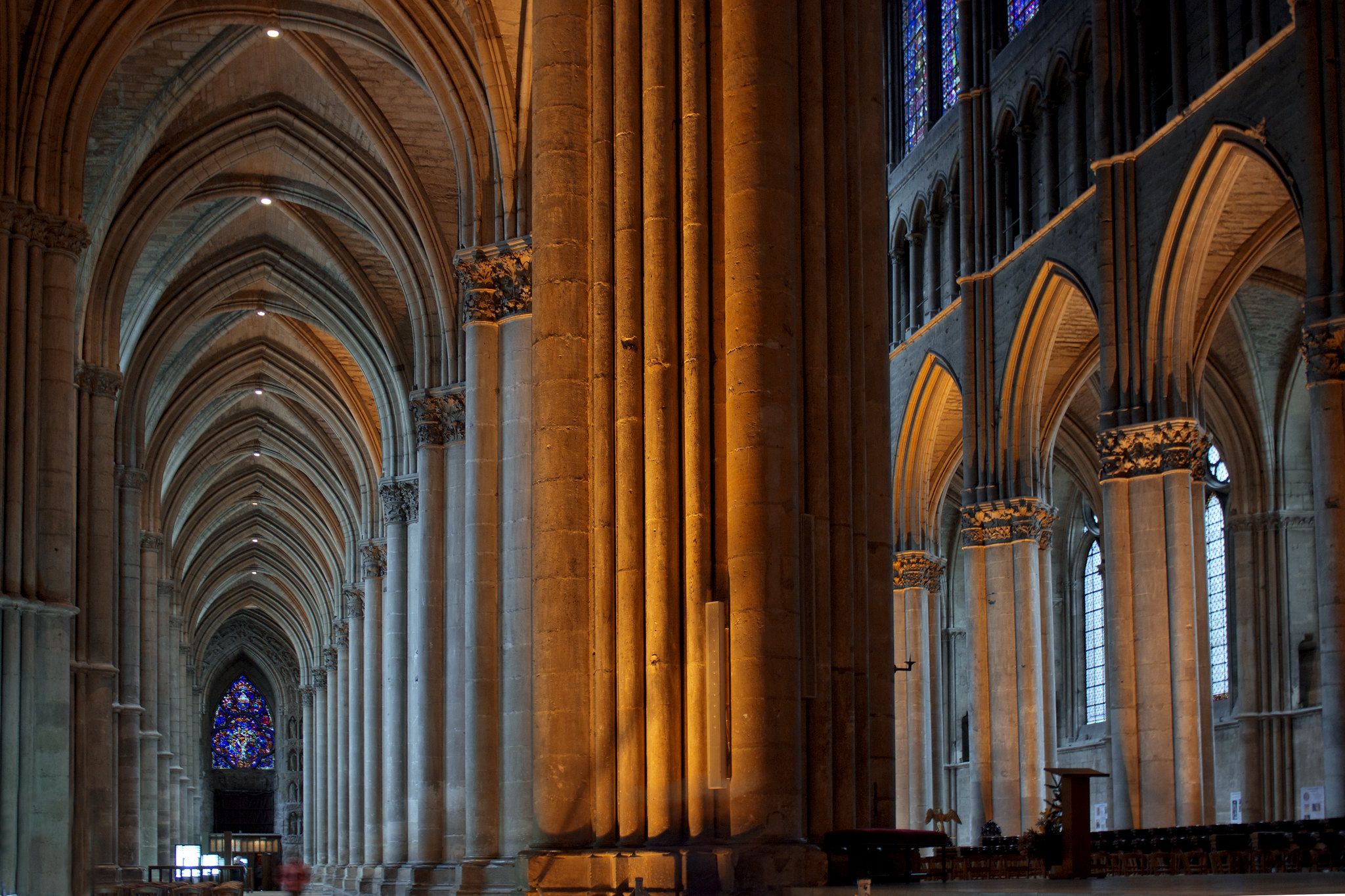
When we think of a Gothic cathedral, we tend to think upward: the spires of Cologne, the ascendant arches of Reims or Amiens; or the upward-soaring buttresses of Notre Dame de Paris; or the way one’s eyes are drawn along the high vault of a nave to the transepts or chancel. Perhaps we think of […]
On Stoicism
A Philosophical Happy Hour questioning the essence and reanimation of Stoicism, Ancient and New. “Demand not that events should happen as you wish”, writes the Stoic philosopher Epictetus (c.50–135ad), “but wish them to happen as they do happen, and you will go on well.”[1] Is this profound wisdom—or a bumper-sticker philosophy? Or consider what this […]
Reading Circle: Peirce’s Harvard Lectures on Pragmatism
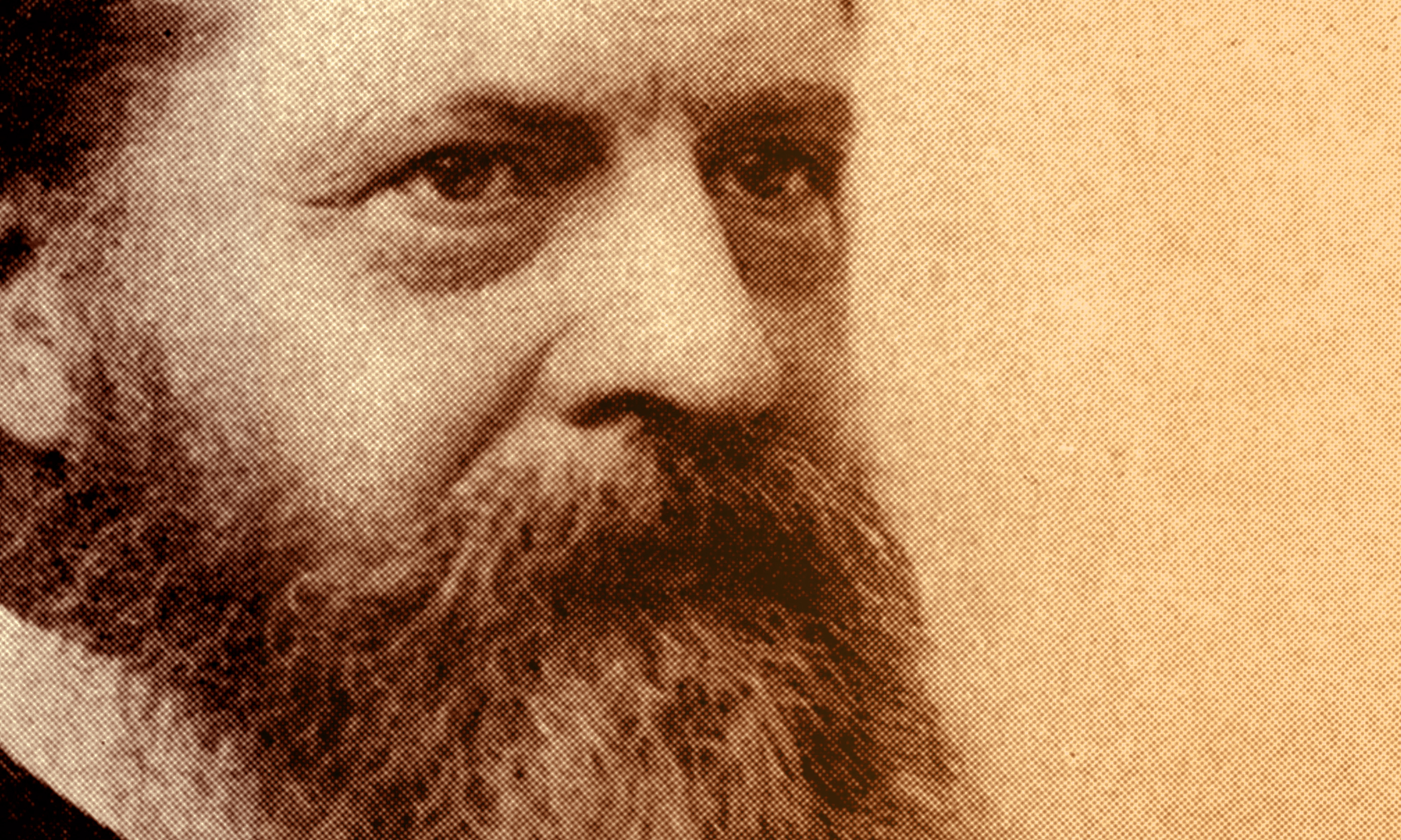
What is pragmatism—according to the man who coined the term, Charles Sanders Peirce? In 1903, C.S. Peirce (1839–1914) was invited by his friend, William James, to deliver a series of lectures on pragmatism at Harvard University. As the editors of The Essential Peirce, vol.2 write, in these lectures, “Peirce sought to build a case for […]

New Faculty Fellow: Jacob Andrews
The Lyceum Institute is happy to welcome a second new Faculty Fellow for 2025, Dr. Jacob J. Andrews. Salvē! I hold a PhD in medieval philosophy from Loyola University Chicago and graduate degrees from Marquette University and Katholieke Universiteit Leuven. I teach Latin and Logic to students aged ten to eighteen at Covenant Classical School, and am […]
