

On Angelic Beings
A Philosophical Happy Hour on why we should care about angelic beings and seek understanding of their existence. Nearly every culture in human history has voiced belief in supernatural beings—forces beyond our reckoning that possess powers to shape and change the world. Indeed, any honest inquiry into the world, the cosmos, shows us wonders beyond […]
On What Could Be
A Philosophical Happy Hour on the distinction of potentiality and possibility in both being and knowing. When we speak about what “could be”, we often unthinkingly use the words “possible” and “potential” as though they were interchangeable. Yet beneath this ordinary use lies a subtle but nevertheless important distinction: a distinction that reaches into the […]
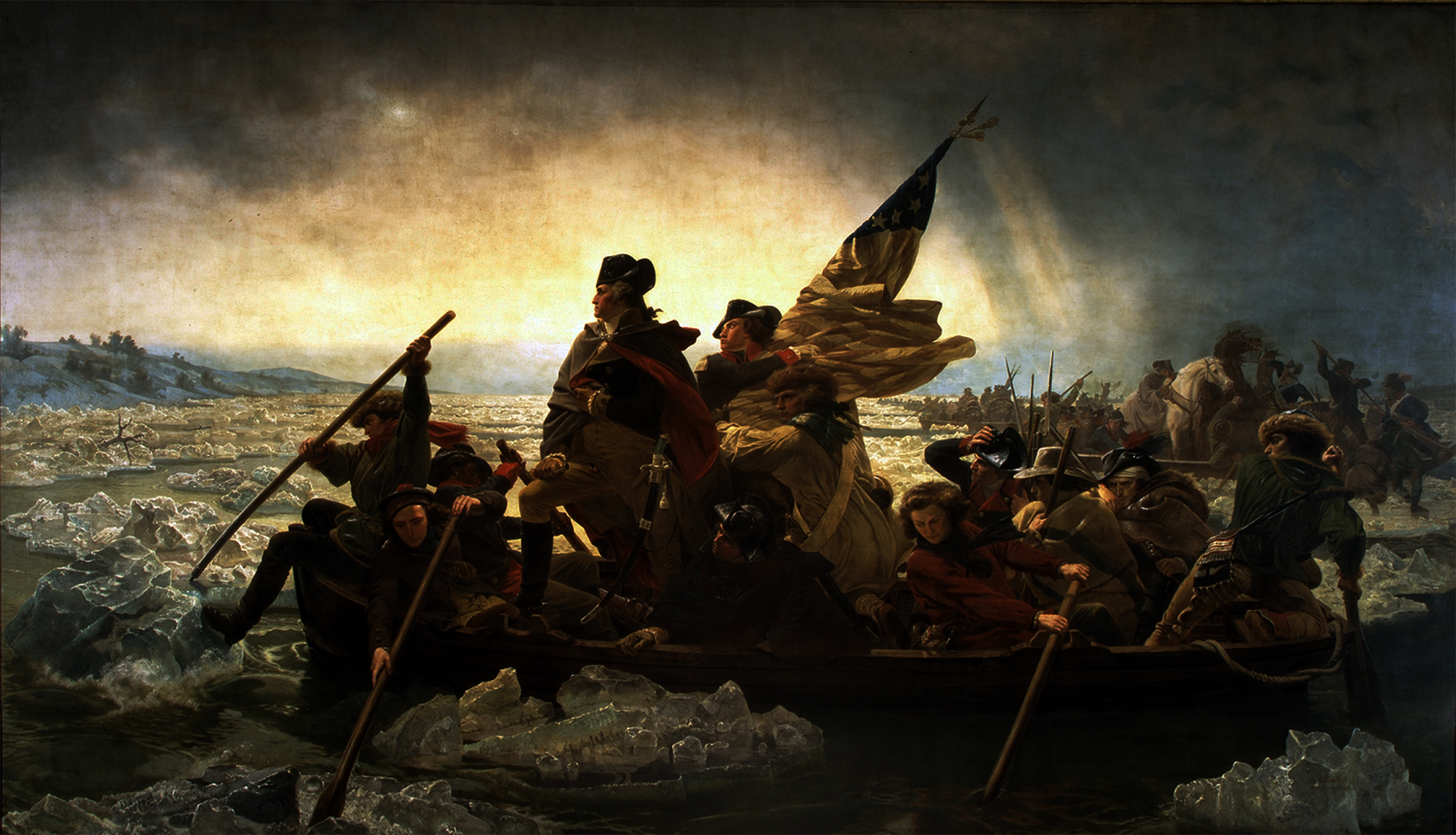
On Limits to the Freedom of Expression
A Philosophical Happy Hour on an issue of perennial contention in liberal democracies everywhere: where do we draw the lines around the freedom of expression? In his dissent from the Supreme Court’s 7-2 ruling in Abrams et al. v. United States, Oliver Wendell Holmes Jr. wrote this since-famous line: “the ultimate good desired is better […]

On the Recovery of Time
A Philosophical Happy Hour exploring the experience of time, its loss, and the possible paths to its recovery. Imagine yourself outdoors and alone—truly alone. No friends, no family, no strangers. No living human being in sight, no voice close enough to be heard (or ears to hear). No phone; no connection to anything but the […]
On Christianity and the Interpretation of Philosophy
A Philosophical Happy Hour on the influences of Christian belief on philosophical interpretation, and of philosophical wisdom on the practice of the Christian faith. Is there such a thing as “Christian philosophy”? Today, thinking of antiquity draws new interest. The texts of Plato and Aristotle, Plotinus and Porphyry—even the fragments of Parmenides and Heraclitus, the […]

On Violence
A Philosophical Happy Hour on the concept of violence, both physical and cognitive. When I was five years old, I was hit in the face with a croquet mallet, and not gently. It was an accident—the consequence of mutual carelessness between my brother and I while goofing around in the garage one evening, neither paying […]
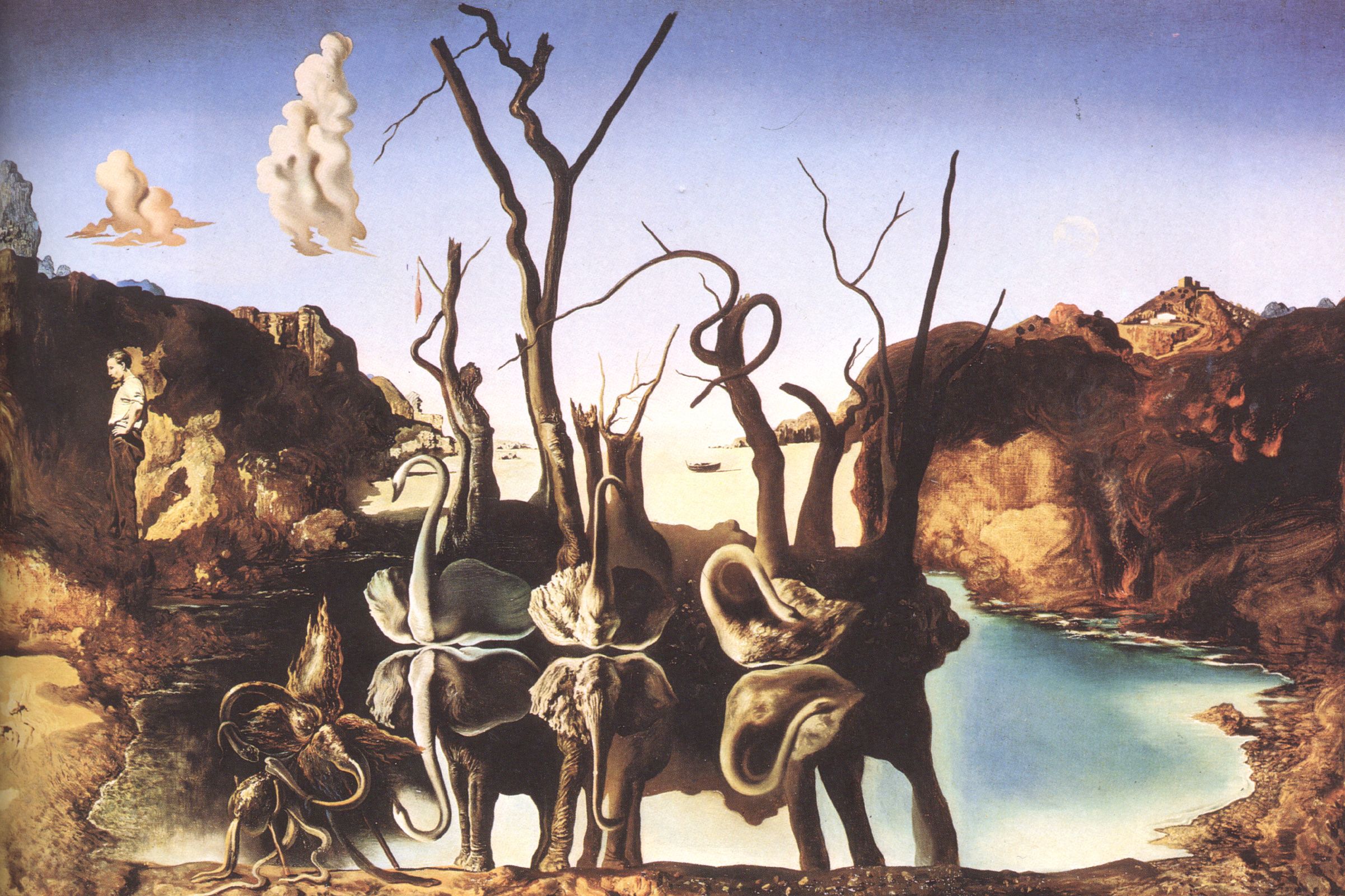
On Perception and Reality
A Philosophical Happy Hour on theories of perception and their influence on our understanding of reality. What if the world you believe yourself to see, to hear, and to touch isn’t the world at all, but only a clever illusion fabricated by your brain? The familiar colors, sounds, and textures that feel so immediate—it has […]
On Cognitive Security
A Philosophical Happy Hour on the cognitive threats we face in an increasingly interconnected and digital world—and the possible solutions or approaches to them (the “security”). It is mid-2020 and you cannot shake the feeling that you are not getting the whole story. We are told that a lethal virus is raging across the global. […]
Passion and the Capture of Reason
A Philosophical Happy Hour on the ways in which passion may capture and distort our exercise of reason—or, in proper subordination, affect a coherence of our persons Thinking clearly. It seems a vanishingly rare virtue. Ours is a reactionary time. Reaction, however, seldom comes from the clear light of reason—but rather from the murky vapors […]

On Life, Knowledge, and Vocation
A Philosophical Happy Hour contemplating the role of knowledge in the various vocations of life Lately—though, perhaps always, implicitly—we have found ourselves circling the topic of vocation. What is the calling of the human person? Does it fall into determinate categories—as husband or priest, mother or c-suite executive—or does it admit greater variability and complexity? […]
