
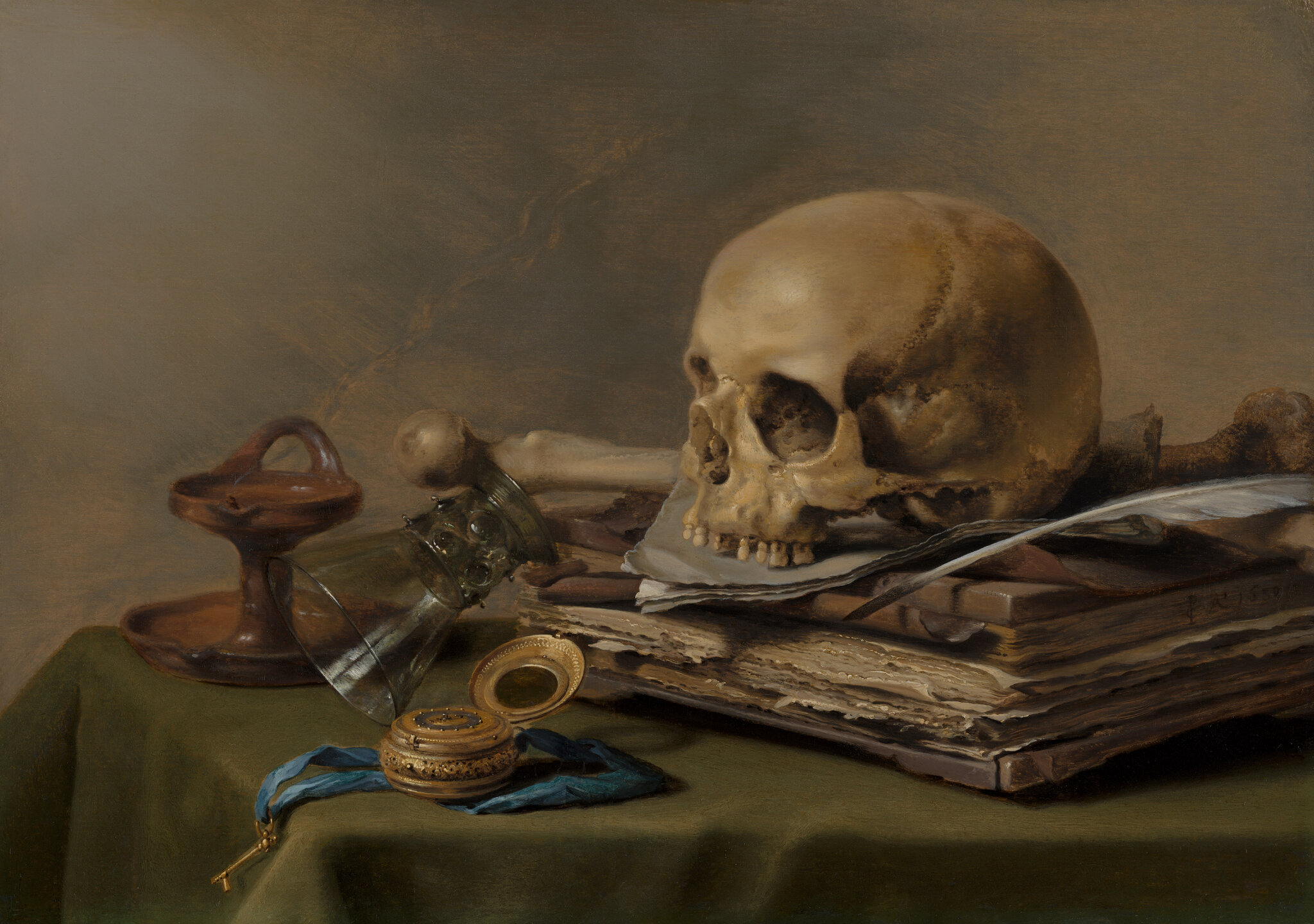
A Philosophical Happy Hour making phenomenological investigation into the experience of aging—bodily, mentally, spiritually, morally, as carried out in action and passion from conception until death.
We mark the passing years in many ways. Anniversaries of first dates, of engagements, of weddings, of ordinations, of foundings for countries and companies alike—each noted by the year since its origin. All the while, we age.
I myself am fast approaching 40. My younger self might object: “What sense does it make to say ‘fast approaching’?” But there can be no denying it. It is not true that every day passes me by faster than the one before, but certainly each day of this year has moved more quickly than the days of previous years. How can this be?
Joints begin to ache from the strain of mere daily life. Sitting down and standing up begin to require exertion. Quiet moments grow in importance. Signs of annual decay—wilting flowers, the turning falling leaves, the lowering late year sun—become mirrors held up to the self. But what is it, really, to age?
Physical Age
The human body comprises countless signs of one’s passage through life. We move ourselves, we are moved. We gain scars, callouses. Aches, pains. The skin stretches, retracts; firms, sags. We may train our bodies to stay strong and healthy. But sooner or later, its functions begin to decline. The wear and tear of earthly existence, the constancy of pushing and pulling from diverse forces, causes the matter to lose its integrity. And for many, these forces are experienced in violent moments: broken bones, torn ligaments, lacerations and so on. Moreover, we are subject to all manner of destructive disease—and what does not kill us may make us quite a great deal weaker, indeed.
What is revealed to us about ourselves, as individuals and as members of the human species, from this passage and the marks it leaves behind? They are not, of course, merely physical. Nothing in our experience is or could be. What is revealed about aging through its effects visible on the body?
Age of the Soul
More important—though never truly dissociable from the body—are the effects of aging on the soul. Put otherwise, the passage constituting physical age seems a necessary but not sufficient cause to account for psychological aging. Our mental, spiritual, and moral age does not reduce to a series of mechanistic or biological processes. Thus we meet with “old souls” and those “young at heart”.
But how are we to explain the soul’s “aging”? It does not experience metabolic decline or cellular senescence; it neither “moves through” the world nor suffers the movements of the world against it—at least, not in the same manners. Does it age as a matter of memory? Of intending meaning? Of what has been forgotten? What role does the present play in the aging of the soul? Does it, like the body, age individually—or is there an inexorable communal dimension to our spiritual maturation?
Stay Young and Grow Old (with us)
Let us consider these questions to structure our discussion:
- What does it mean “to age”?
- Do we all truly age at the same rate?
- Does the fact of aging—physically, spiritually—alter our experience of the world? Of ourselves?
- What role do our personal relationships play in aging? And vice versa?
- How are aging and death related in our thinking?
Join us this Wednesday (15 October 2025, from 5:45-7:15+ pm ET) to keep the mind “young” even as the bodies grow old.
philosophical happy hour
« »
Come join us for drinks (adult or otherwise) and a meaningful conversation. Open to the public! Held every Wednesday from 5:45–7:15pm ET.

No responses yet