
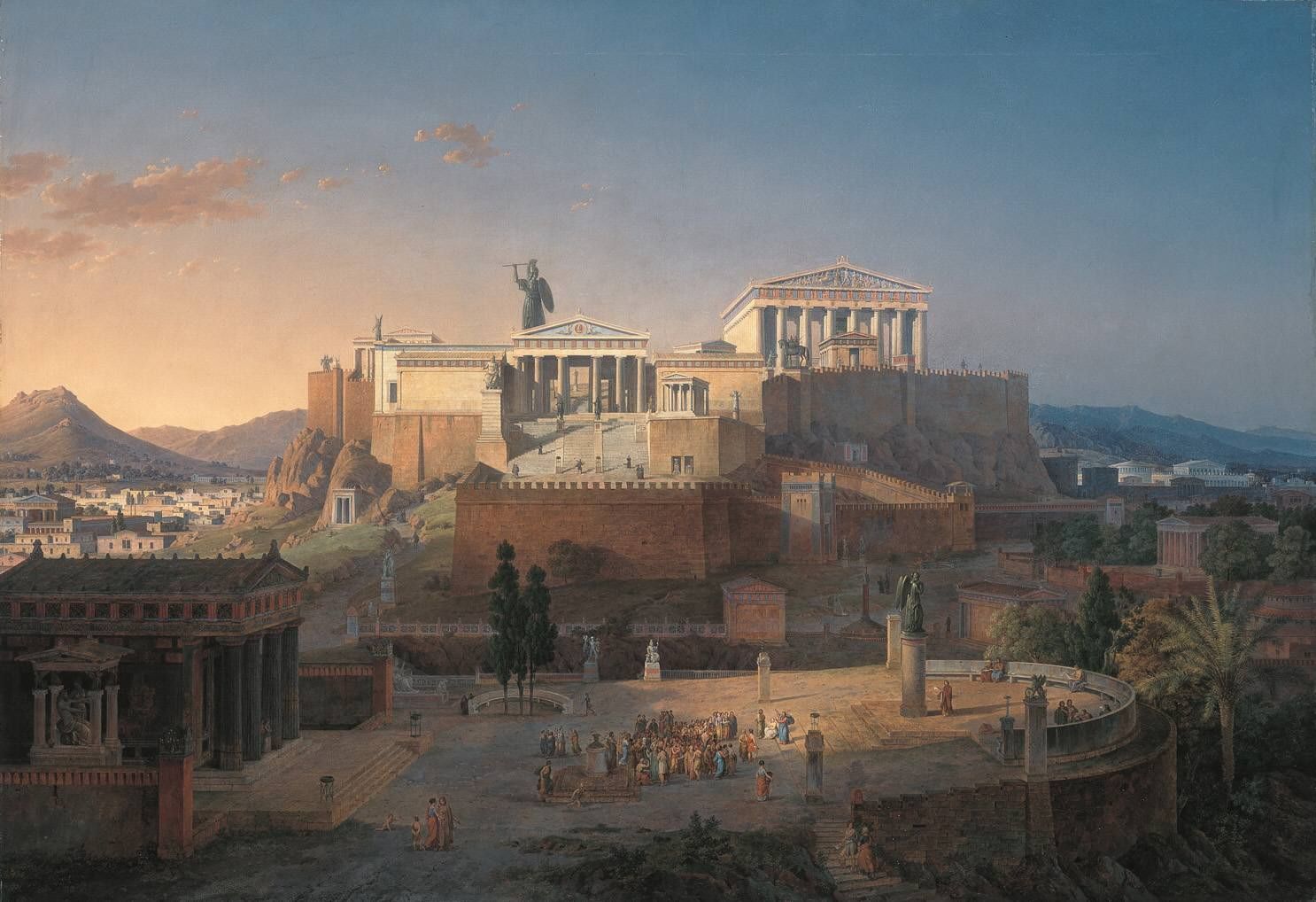
What Classical Education Needs
In this conversation, Geoffrey Meadows (Head of Upper School, Tulsa Classical Academy) discusses being a “hunter of causes” and the need to translate enthusiasm into hard work in classical education. Together with Dr. Kemple, he discusses the importance of philosophy, the impact of technology on education, and the necessity of moral formation in students. Geoffrey […]
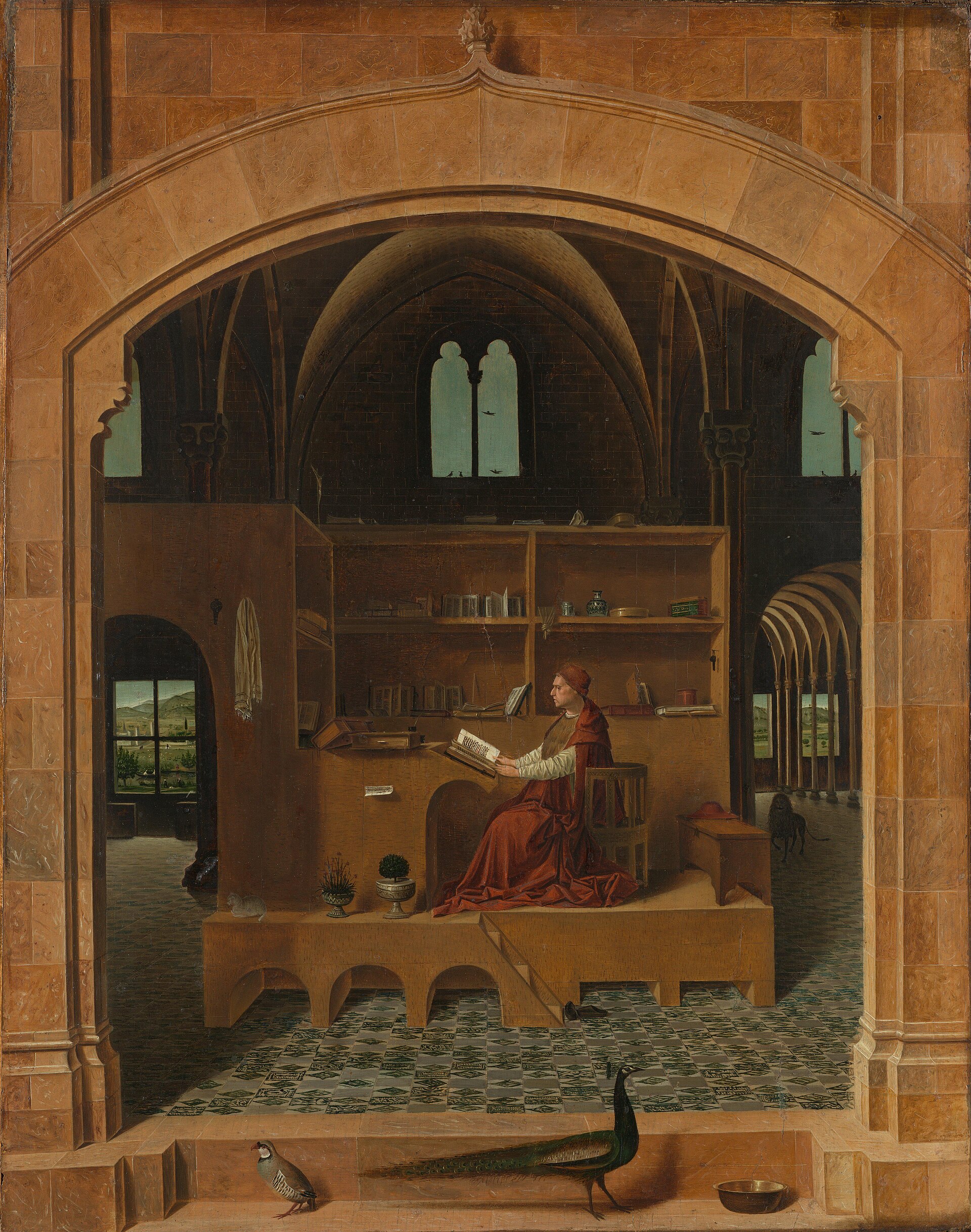
On Silence, Sophistry, and the Preservation of Wisdom
Why we need digital monasteries for the layman, and what that means. The Roman Empire was inarguably among the greatest imperial powers ever to have existed. It spanned the breadth of all Europe, crossed into Britain, swept south along the Mediterranean, and held much of the world in order for hundreds of years. But over […]
Trivium: Grammar I – Foundations [Winter 2026]
Announcement of our Winter 2026 Trivium: Art of Grammar course, in which we investigate the foundations of the English language (and language generally) through a rigorous study of syntax and semantics. Description Details This course includes eight weekly readings, lectures, homework assignments and two live class sessions per week. The class sessions are recorded but […]
The Mystery of Being and the Rediscovery of Tradition
In this conversation, Dr. Matthew K. Minerd reflects on his intellectual journey, highlighting the influence of language and philosophy—the dance of νοῦς before our eyes—in shaping his understanding of the world and his habits of inquiry. Listen as he and Dr. Kemple discuss the discovery of meaningful study, the development of a global intellectual perspective, […]
Philosophy and the Art of Reasoning
John Boyer joins Brian Kemple to discuss the decline of traditional liberal education and its impact on university curricula, emphasizing the superficial engagement with important questions in contemporary society, particularly through social media. In place of these superficial approaches, we ought to recover the Aristotelian understanding of causality, developing habits of real inquiry, and discovery […]
Building Habits of True Learning
In this conversation, Dr. Jacob Joseph Andrews discusses his journey into the intellectual life, emphasizing the importance of personal development, moral formation, and the role of classical education. He highlights the significance of language study, particularly Latin, in understanding culture and fostering intellectual habits. Andrews also reflects on the value of specialized study and the […]

Truth, Goodness, and Beauty
In this conversation, Francisco Plaza shares his journey into the intellectual life, influenced by his experiences moving from the US to Venezuela. He discusses the current state of education, the importance of classical education, and the role of political philosophy in understanding justice and order. Plaza emphasizes the need for a hierarchy of values in […]
Beyond the University
Meaningful change never happens overnight. It takes years to establish and generations to perfect. The Lyceum Institute aims to build a new future for education—knowing it will not come quickly or easily, but that from a few minds truly dedicated to the cause, we can bring new life to learning beyond the university. The renewal […]

The Death and Evolution of Education – Part I: Introduction
This is the first in a four-part series on the Death and Evolution of Education, which seeks to explain why we cannot rely upon the university to provide the intellectual formation necessary for the common good, but must “evolve” a new approach to learning. One part will be published each week for the next four […]

On the Future of Education and Technology
A Philosophical Happy Hour discussing education and technology in light of the first entry in Adam Pugen’s “Future is Technoclassical” article. In a recent article, published here on the Peripatetic Periodical, Faculty Fellow Adam Pugen investigates the resurgence in “classical education” that has been affected through the digital environment. The precise nature of this technologically-mediated […]
