
Rhetorica ad Herennium [English]
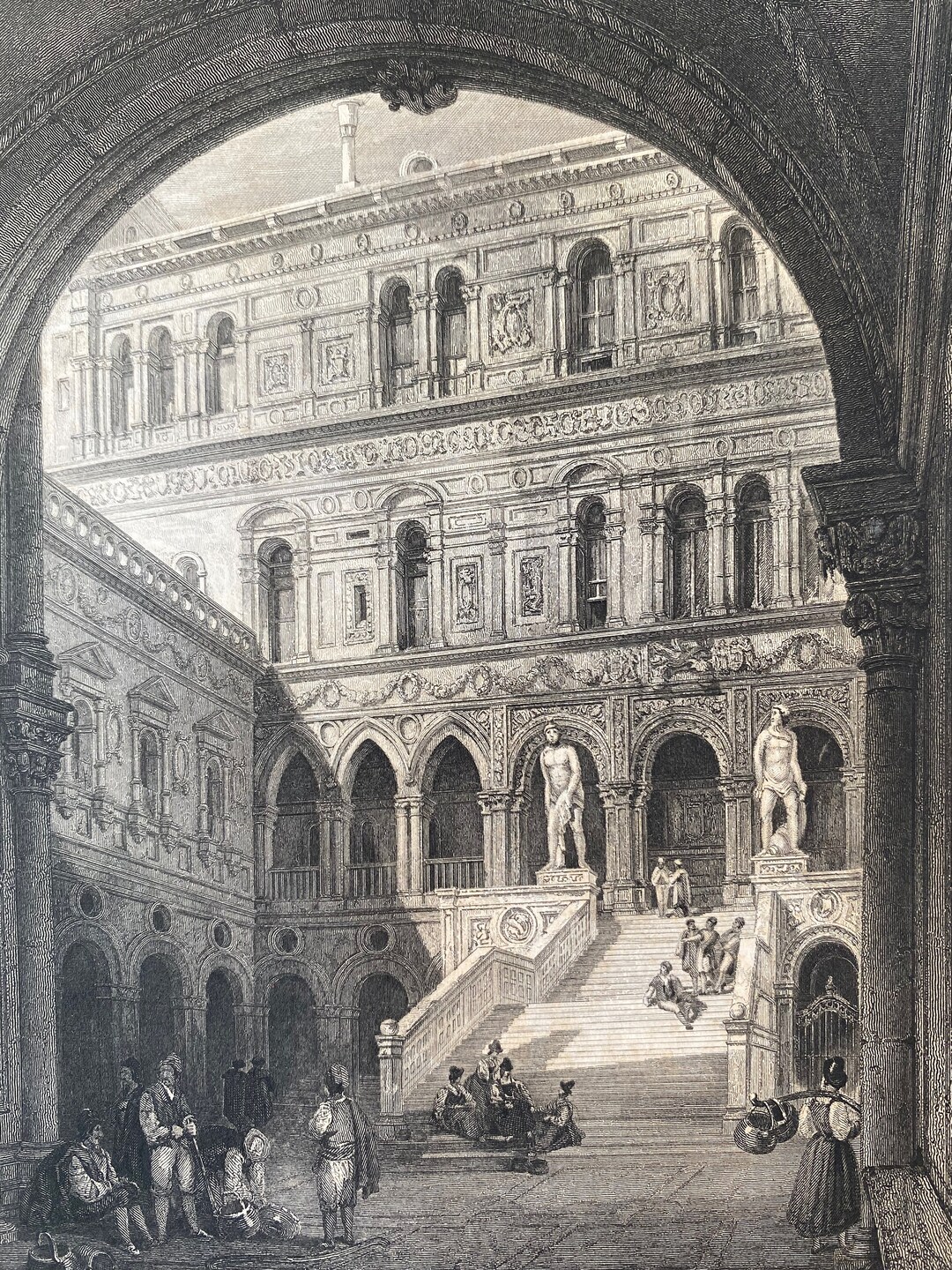
Among the tasks of the Lyceum Institute is a restoration of forgotten traditions and texts. Newly produced within this initiative is our republication of the Rhetorica ad Herennium, a classic work in Roman oratory, in the English translation by Harry Caplan. This text, from roughly 80BC, informed the study of rhetoric in the days of […]
What Classical Education Needs
In this conversation, Geoffrey Meadows (Head of Upper School, Tulsa Classical Academy) discusses being a “hunter of causes” and the need to translate enthusiasm into hard work in classical education. Together with Dr. Kemple, he discusses the importance of philosophy, the impact of technology on education, and the necessity of moral formation in students. Geoffrey […]
On Silence, Sophistry, and the Preservation of Wisdom
Why we need digital monasteries for the layman, and what that means. The Roman Empire was inarguably among the greatest imperial powers ever to have existed. It spanned the breadth of all Europe, crossed into Britain, swept south along the Mediterranean, and held much of the world in order for hundreds of years. But over […]

On Academic Gatekeeping
A Philosophical Happy Hour on admission to and exclusion from the halls of learning—or, the needs and excesses of academic gatekeeping. “Shut your College gates against the votary of knowledge, throw him back upon the searchings and the efforts of his own mind; he will gain by being spared an entrance into your Babel.” – […]

Engagement Survey (Prize Giveaway)
Public Engagement Survey Now Open The Lyceum Institute exists to serve a public good: serious liberal education conducted online, grounded in tradition, and ordered toward intellectual and moral formation. As our programs, seminars, and community continue to grow, it is important that we pause to listen—not only to members, but to the wider public we […]

The Growth of Consciousness
A Philosophical Happy Hour on the nature, growth, and importance of understanding consciousness. The concept of “consciousness” today seems rather important: it is brought up in questions about artificial intelligence, neuroscience, the development of habits, “mindfulness”, self-improvement, and countless other related issues. But what is consciousness? Few good definitions seem available. Even many persons professionally […]

Do We Still Need Universities?
A Philosophical Happy Hour on the ends and purposes of higher education, universities, and the needs of teaching and learning. —Reading Francis Slade’s “Ends and Purposes” In the nearly two-years since Claudine Gay’s revealed plagiarism and subsequent resignation from Harvard University, familiar questions concerning the function and legitimacy of academic work—questions that, despite their familiarity […]
The Mystery of Being and the Rediscovery of Tradition
In this conversation, Dr. Matthew K. Minerd reflects on his intellectual journey, highlighting the influence of language and philosophy—the dance of νοῦς before our eyes—in shaping his understanding of the world and his habits of inquiry. Listen as he and Dr. Kemple discuss the discovery of meaningful study, the development of a global intellectual perspective, […]
Trivium Courses (2026)
In 2026, the Lyceum Institute will offer the first three of six courses in our core Trivium curriculum, providing an entryway into a truly “liberal” education: We are also aiming to introduce regular occasions throughout the year for practicing dialectical disputation and rhetorical presentation, though plans for this are still taking shape. The three core […]
Philosophy and the Art of Reasoning
John Boyer joins Brian Kemple to discuss the decline of traditional liberal education and its impact on university curricula, emphasizing the superficial engagement with important questions in contemporary society, particularly through social media. In place of these superficial approaches, we ought to recover the Aristotelian understanding of causality, developing habits of real inquiry, and discovery […]
