
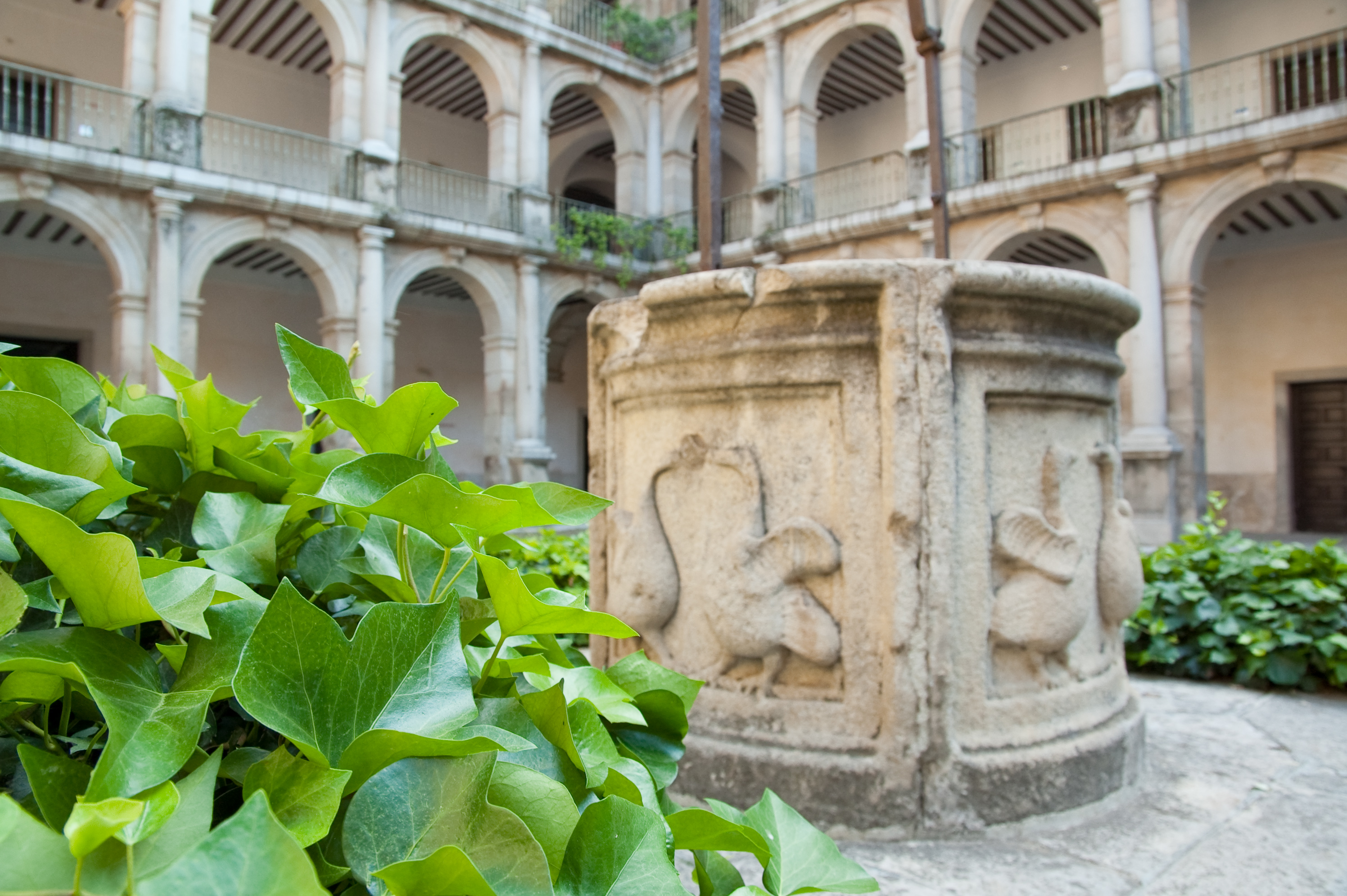
John Poinsot – Cursus Philosophicus
Cursus PHILOSOPHICUS John Poinsot, O.P., also known as Joannes a Sancto Thoma (1589–1644) wrote two major works in his lifetime: the Cursus Theologicus, on which incomplete text he worked from 1635 until 1643, when he was requested to become counselor and Royal Confessor to King Philip IV of Spain. While attending to this new duty, […]

Meet the Columbanus Fellows: Sneha Jain
Today we introduce another of our Columbanus Fellows—dedicated students demonstrating their commitment and desire to grow in knowledge, wisdom, and understanding through a creative retrieval of the classic Western tradition and participation in genuine dialogical inquiry. Sneha Jain is an alumna of The University of Texas at Austin, where she earned a B.S. in Chemical […]
Meet the Columbanus Fellows: Bea Cuasay
Today we introduce another of our Columbanus Fellows—who are demonstrating their commitment and desire to grow in knowledge, wisdom, and understanding through a creative retrieval of the classic Western tradition and participation in genuine dialogical inquiry. Bea Cuasay is an alumna of Saint Mary’s College in Notre Dame. She received a B.A. in Philosophy with […]

2024 Spring: Philosophers and History
In the forthcoming seminar, we present an in-depth philosophical examination of history, inspired by Etienne Gilson’s proposition that the History of Philosophy is analogous to a laboratory for chemists and biologists. The seminar proposes an exploration into the idea that history is not merely a chronological record but a spatial and present reality, as exemplified […]

The Philosophy of History
What is history—and how do we study it? The answers to these questions—to be asked at this week’s Philosophical Happy Hour (17 January 2024: details below!)—though they might seem simple, perhaps even elementary, not only prove difficult and controversial but elusive. And given different answers, the practice of historical inquiry will be greatly changed. History […]

Do Ideas Have Power?
“The potency of ideas lies in their ability to influence thinking, motivate action, shape cultures, and alter the course of history.” Why do we care so much about our ideas? What is an idea? What is power? Three questions that are familiar to human history, but, perhaps, too-little examined today. That ideas are important seems, no doubt, widely accepted […]

Complete Lyceum Catalog – 2024
We have completed our 2024 catalog and preliminary schedule for all seminars and courses! While these are, of course, always subject to change (life being ever-unpredictable), I am happy to announce this very exciting slate of philosophy seminars for the upcoming year: Seminar Catalog 2024 Winter (Q1) Introduction to Philosophical Thinking – Brian Kemple Phenomenology: […]
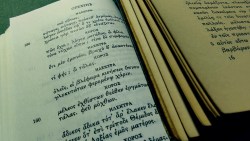
Announcing: Greek 2024
Aeschylus and Aristophanes, Plato and Aristotle, Xenophon and Thucydides: it is one thing to know their texts. It is another to read them in the language their authors used. The roots of Western culture sprung up in Ancient Greece. If we are to be successful cultivators of future growth ourselves, we ought to attend to […]

Reclaiming Culture in the Digital Age
The provincial attitude is limited in time but not in space. When the regional man, in his ignorance, often an intensive and creative ignorance, extends his own immediate necessities into the world, and assumes that the present moment is unique, he becomes the provincial man. He cuts himself off from the past, and without benefit […]

Last Chance to Register for Fall Seminars
With discussion sessions beginning this coming Saturday (9/23), I would be remiss if I did not put out a final call for registration in our Fall seminars. We have three provocative offerings, each of which promises to confront the errors of modernity in radically differing ways. An Encounter with the Thought of Eugen Rosenstock-Huessy Excerpt […]
