

On Memory and its Training
A Philosophical Happy Hour on the nature, operations, and training of the memory. “This invention [of writing]”, says the Egyptian King Thamus, in Plato’s Phaedrus, “will produce forgetfulness in the souls who have learned it.” It perhaps shocks us, slightly at least, to read this condemnation of writing. But let us consider the rest of […]
On the Problem of Education
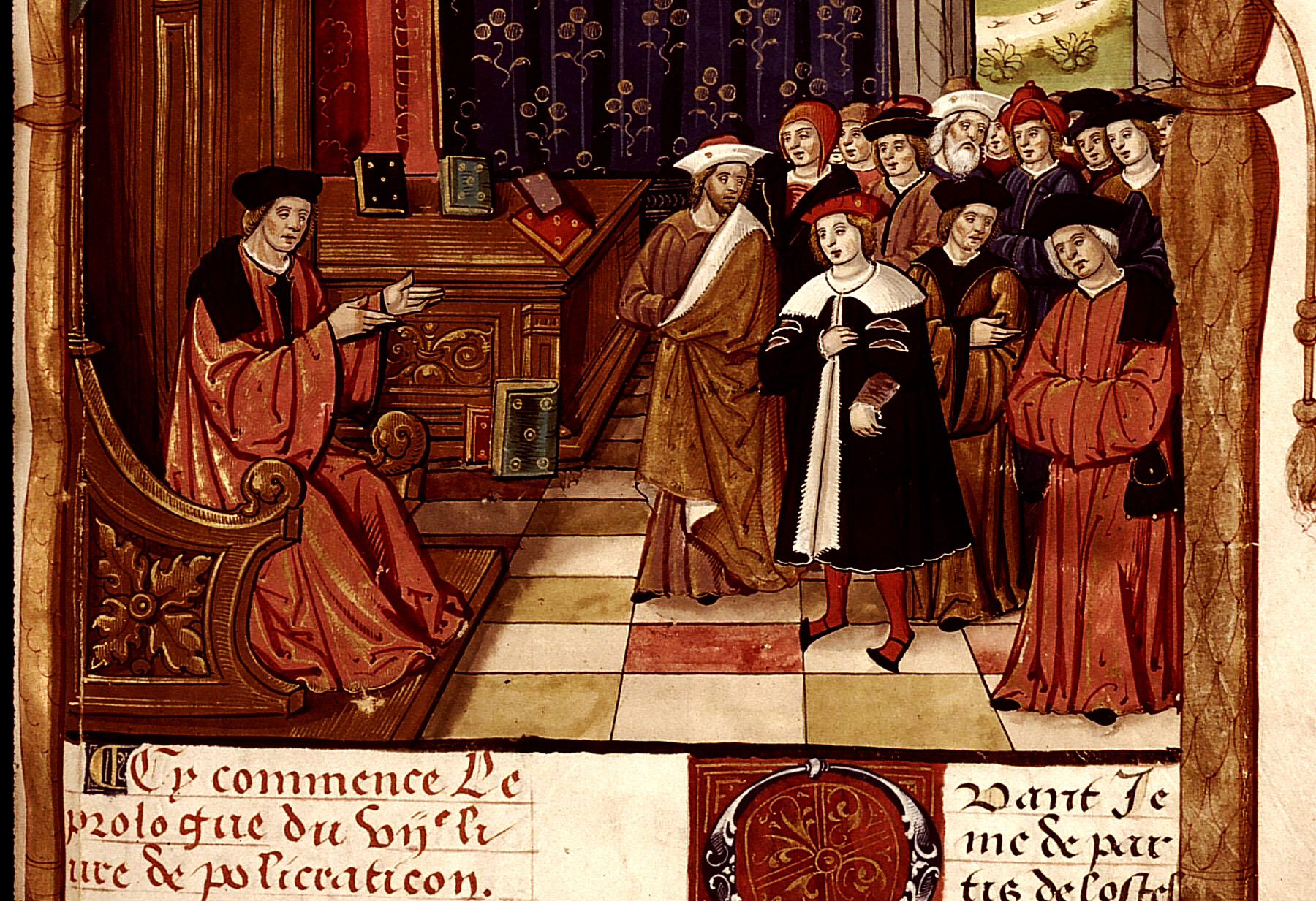
A Philosophical Happy Hour concerning the problem of universal education: should we educate everyone? To what extent? How? Why (not)? If we look today at the results of universal education, particularly over the past century, we may think that its institution was a mistake. The results are those of decline. High test scores in a […]
The Future is Technoclassical: Signs of the McLuhan Century (Part One)
It is fairly straightforward (and glum) to observe that our culture’s dependence on, and even reverence for, technological innovation has, in large part, led to the widespread displacement of the humanities by STEM (Science, Technology, Engineering, and Mathematics) in institutions of higher learning. Nevertheless, the perhaps unexpected ways in which our technological culture is implicated […]
On Habits of Speaking Well
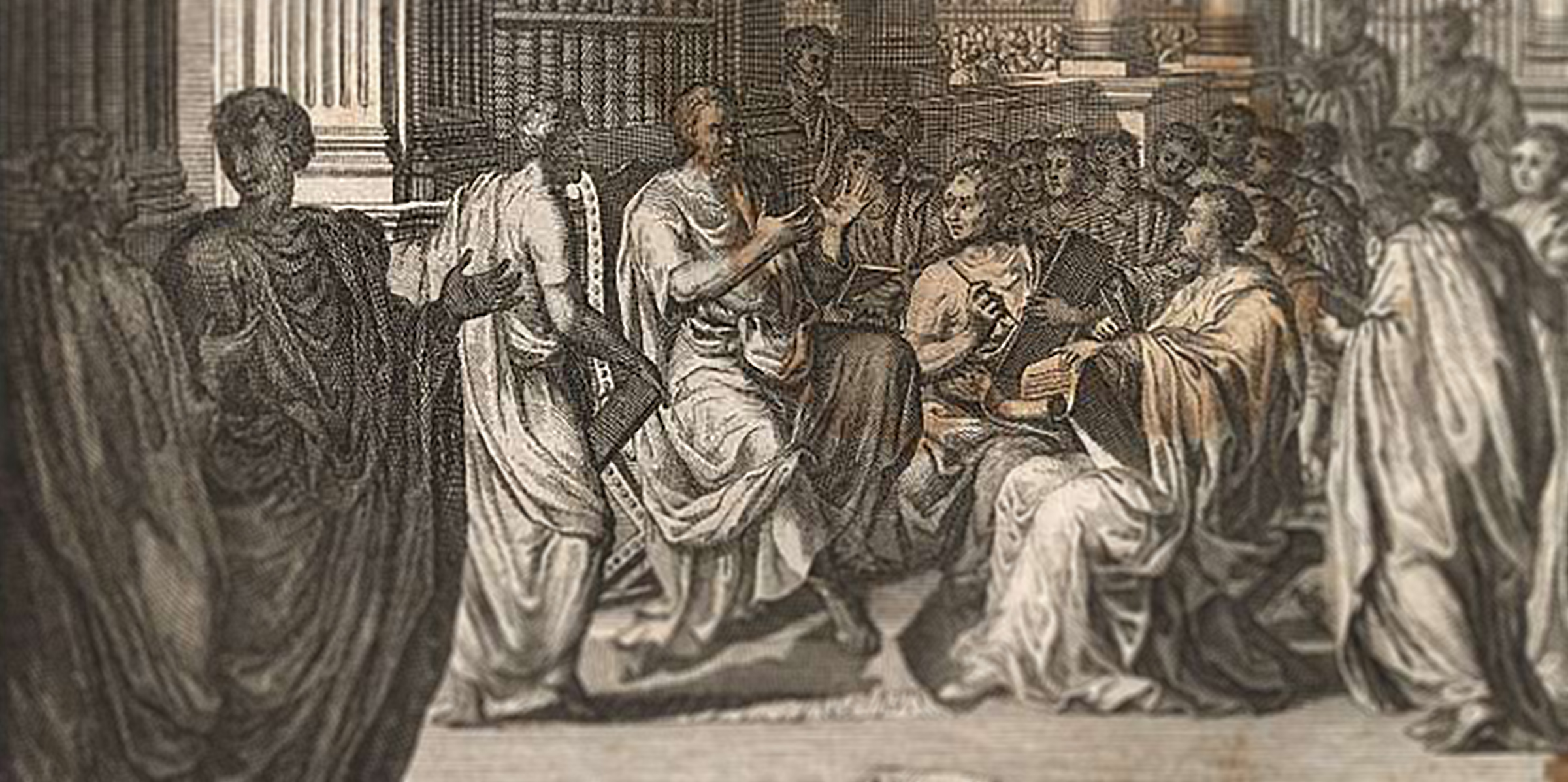
A Philosophical Happy Hour on the use of language to convey thinking: from daily conversation, to professional presentation, let us ask after the habits of speaking well. How does one learn to speak well? Many courses are offered with proposed solutions—from the WikiHow to MasterClasses and entire college majors. Yet it seems, upon brief reflection, […]
Art of Rhetoric I: Discovery of Arguments [2024]
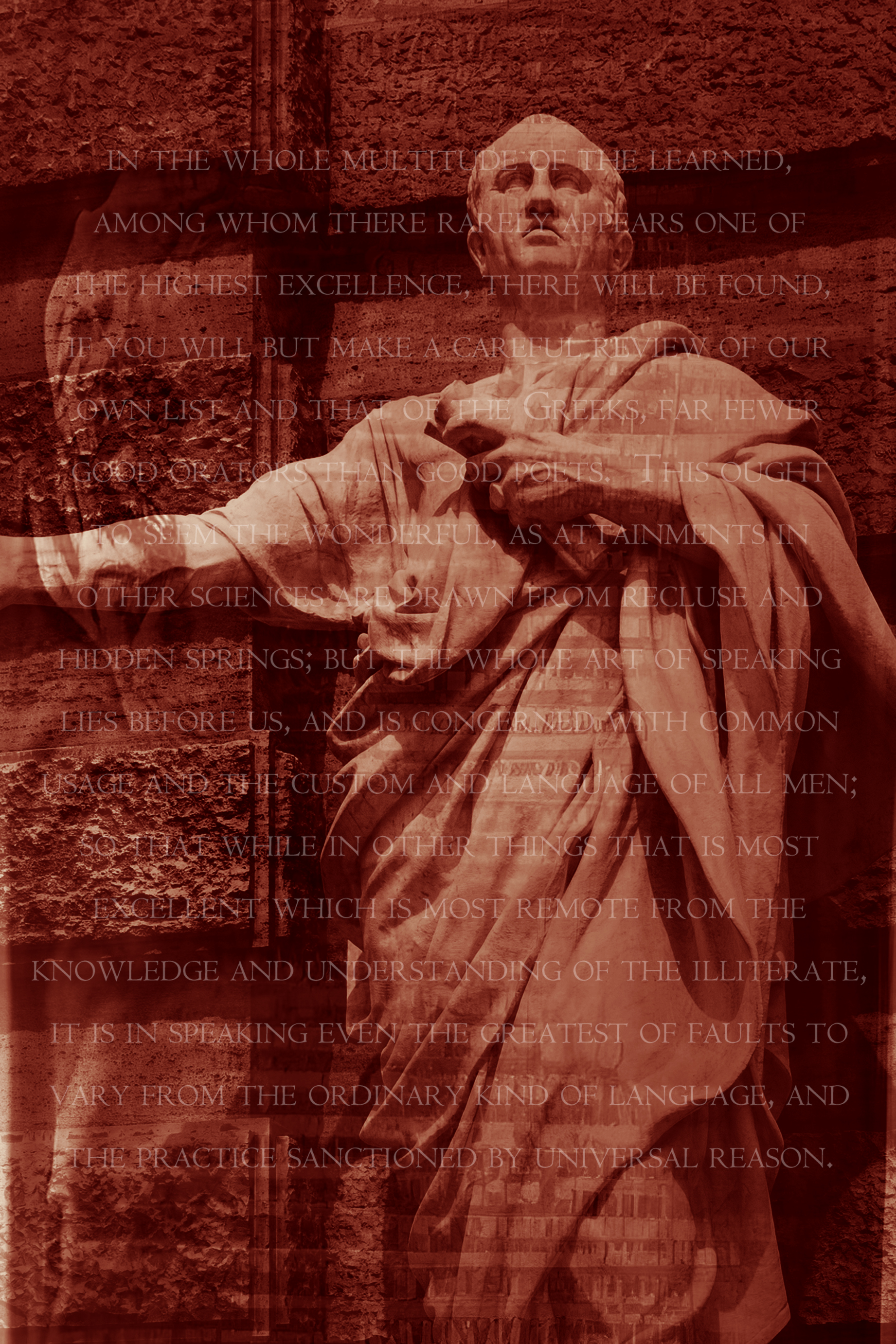
“…it is strange if it is a shameful thing not to be able to come to one’s own aid with one’s body but not a shameful thing to do so by means of argument, which is to a greater degree a human being’s own than is the use of the body.” Aristotle, Art of Rhetoric, […]

Affiliates – Fall Term 2024
Our friends at the Catherine Project have announced their Fall term offerings for 2024, including a new “Life of the Mind” seminar that provides an initial foundation for study of the great books! The Catherine Project is fully free, though they have limited enrollment so apply today. You can also view their larger Fall catalog […]

Language as Craft: Building Blocks for Communication
The following is a reflection authored by Columbanus Fellow Sneha Jain. Language’s fundamental purpose is to communicate the intention of the speaker or writer. By nature, however, language is conventional, which can confuse or obscure the desired message. In other words, language relies upon stipulation, and it is often assumed—whether rightly or wrongly— that the […]

Complete Lyceum Catalog – 2024
We have completed our 2024 catalog and preliminary schedule for all seminars and courses! While these are, of course, always subject to change (life being ever-unpredictable), I am happy to announce this very exciting slate of philosophy seminars for the upcoming year: Seminar Catalog 2024 Winter (Q1) Introduction to Philosophical Thinking – Brian Kemple Phenomenology: […]

On Higher Education
In recent years, a number of online alternatives to colleges and universities have been established, of which the Lyceum is but one, even as these conventional institutions expand their own digital presence. Many reasons spur on these alternatives—cost, time, location, curriculum, and so on—but the principal reason (at the very least, for the Lyceum’s existence) […]

Announcing: Trivium 2024
Education in the liberal arts has been neglected in modernity and, when not ignored, derided by the forces of ultramodern thought. The consequences of this dereliction are evident: even those who wish to know often know less than they would like and cannot express themselves as well as they ought. Fortunately, we can retrieve the […]
