

Understanding our Environments
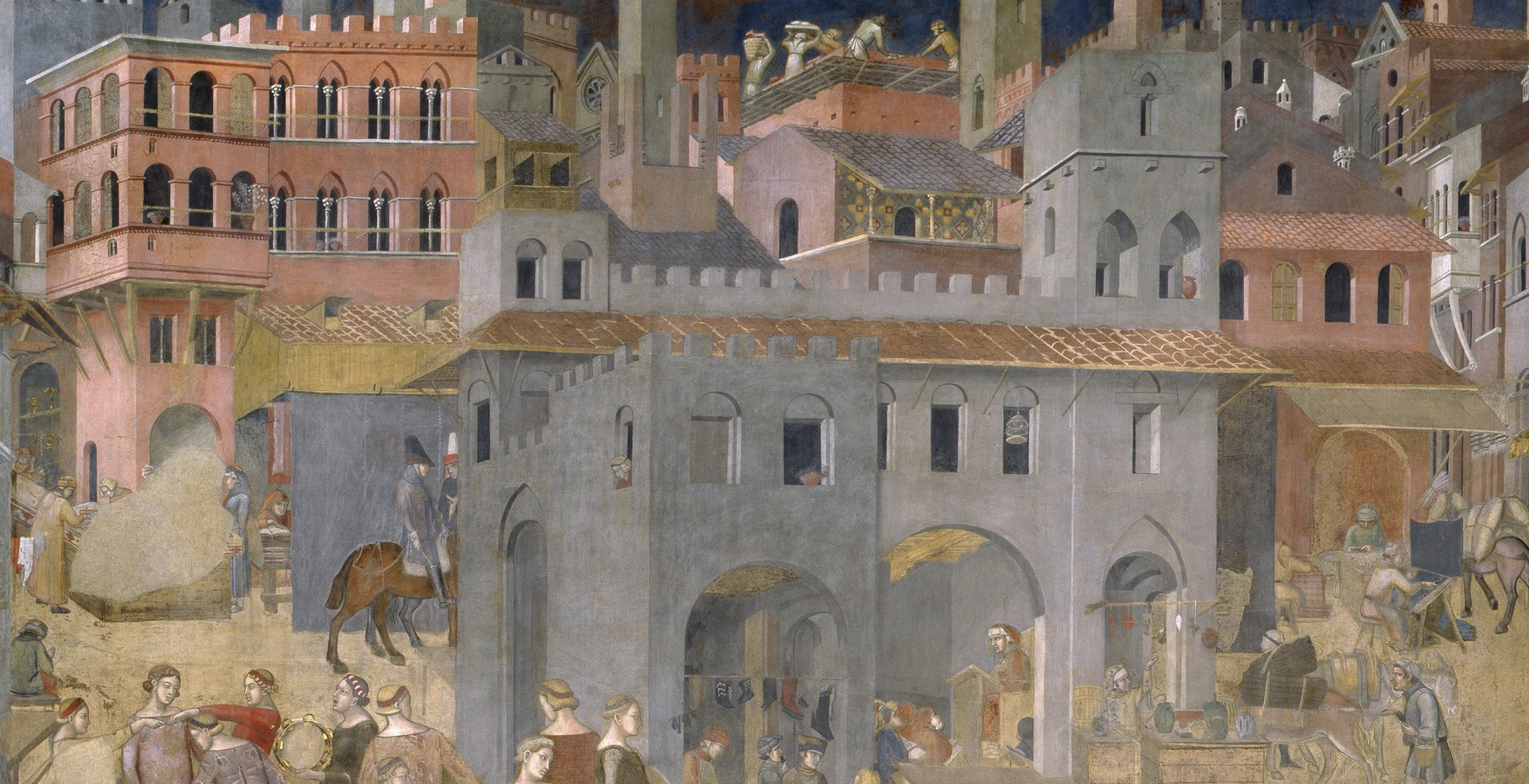
In this conversation, Adam Pugen explores how new technologies amplify aspects of the human psyche, particularly focusing on the differences between auditory and visual cultures. He discusses how these sensory modalities shape our experiences and perceptions in distinct ways—and the need for media literacy, the changes between television and digital, the thinking of Marshall McLuhan, […]
Seminar: The Opportunities of Technology [Fall 2025]
Announcement of our Fall 2025 seminar, “The Opportunities of Technology”—how can we redeem the technological from its current abused status? Description Details All Lyceum Institute seminars include weekly readings, lectures, and live discussion sessions. The discussion sessions are recorded. This seminar includes extensive readings, but does not require advanced philosophical knowledge (nor does it have […]
The Future is Technoclassical: Signs of the McLuhan Century (Part Three)
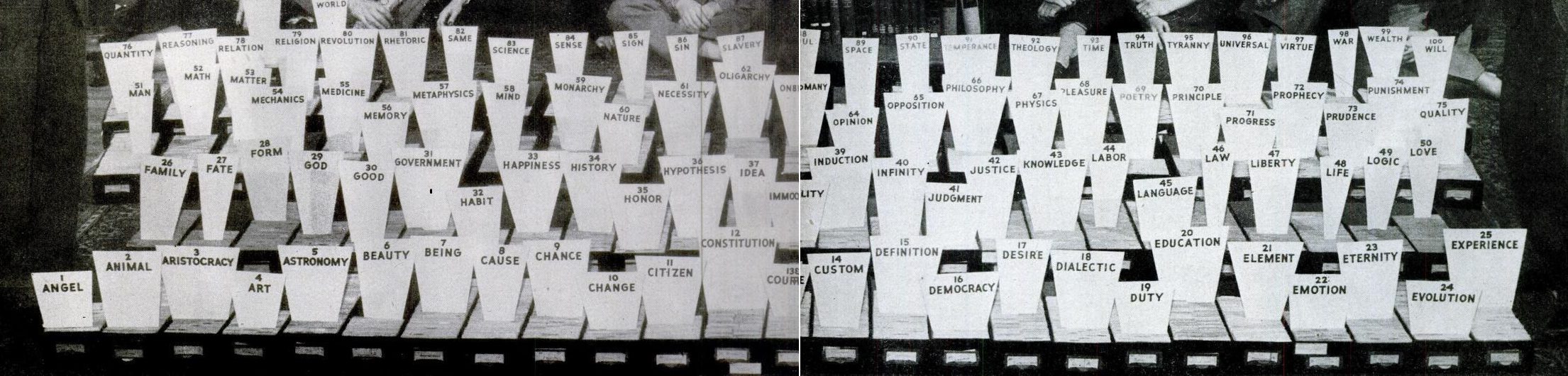
To appreciate how Dewey’s “progressive” educational model and Hutchins’ and Adler’s conservative or “classical” educational model were both inadequate responses to the technological environment of the 20th century – namely, the displacement of the print environment by the electric environment – it will be helpful to make a brief detour into the pioneering media analysis […]

On the Future of Education and Technology
A Philosophical Happy Hour discussing education and technology in light of the first entry in Adam Pugen’s “Future is Technoclassical” article. In a recent article, published here on the Peripatetic Periodical, Faculty Fellow Adam Pugen investigates the resurgence in “classical education” that has been affected through the digital environment. The precise nature of this technologically-mediated […]
The Future is Technoclassical: Signs of the McLuhan Century (Part One)
It is fairly straightforward (and glum) to observe that our culture’s dependence on, and even reverence for, technological innovation has, in large part, led to the widespread displacement of the humanities by STEM (Science, Technology, Engineering, and Mathematics) in institutions of higher learning. Nevertheless, the perhaps unexpected ways in which our technological culture is implicated […]
Lying and Truth as Accomplishments
The following is excerpted from a presentation given by John Deely on 1 March 2014 at the 37th Annual Meeting of the American Maritain Association. What Makes Possible both Lying and Truth as Human Accomplishments Comment “Listening to Maritain on the subject of sign as treated by Poinsot…” We should, in fact, listen to John […]

Seminar: The Difficulties of Technology [Fall 2024]
Description Details All Lyceum Institute seminars include weekly readings, lectures, and live discussion sessions. The discussion sessions are recorded. This seminar includes extensive readings, but does not require advanced philosophical knowledge. All required texts will be provided in PDF format. Priced from $60 per person. Discussion sessions occur on Saturdays at 1:45pm–2:45pm ET (see world […]

Tradition and Technology
Our extended senses, tools, technologies, through the ages, have been closed systems incapable of interplay or collective awareness. Now, in the electric age, the very instantaneous nature of co-existence among our technological instruments has created a crisis quite new in human history. Our extended faculties and senses now constitute a single field of experience which […]

How to be a Contemporary Thomist: The Case of Marshall McLuhan
The colloquium lecture delivered in November 2020 by Adam Pugen, PhD “How to be a Contemporary Thomist: The Case of Marshall McLuhan” is now available to the public. You can listen or download below (full lecture at the bottom). Please consider supporting the Lyceum Institute if you enjoy this lecture! The Lyceum Institute is currently […]
