

On the Necessity of Friendship for Discovering the Good
A Philosophical Happy Hour focused on the question of friendship: its nature, deepening, and the necessity of others with whom we share the search for the good. I have spent much of my life alone. The youngest in my family, I began homeschooling in fourth grade, and continued until I started community college, before transitioning […]
On the Univocal and the Analogical
A Philosophical Happy Hour investigating the principles and aims of language through univocal and analogical predication. What is the meaning or the significance of a word? This question may operate on two levels: first, concerning a specific word’s meaning—“tree” or “justice”, “fruit” or “truth”; or, second, concerning the relationship between meaning in general and words […]
On the Shifting Sands of Language
A Philosophical Happy Hour on Owen Barfield’s “Philology and the Incarnation”, wherein we will think about meaning and metaphor in language. For this week’s Philosophical Happy Hour, we will again take up a specific short text to read and discuss: this time, Owen Barfield’s short article, “Philology and the Incarnation”, available in this attached PDF. […]

On Memory and its Training
A Philosophical Happy Hour on the nature, operations, and training of the memory. “This invention [of writing]”, says the Egyptian King Thamus, in Plato’s Phaedrus, “will produce forgetfulness in the souls who have learned it.” It perhaps shocks us, slightly at least, to read this condemnation of writing. But let us consider the rest of […]
On the Problem of Education
A Philosophical Happy Hour concerning the problem of universal education: should we educate everyone? To what extent? How? Why (not)? If we look today at the results of universal education, particularly over the past century, we may think that its institution was a mistake. The results are those of decline. High test scores in a […]

Discovering Meaning in the Cosmos
A Philosophical Happy Hour on the struggle against nihilism—cosmological and psychological—and inadequate methods to assure ourselves of meaning in the cosmos. What is meaning? What do we mean when we say the word? What does the word signify? It is one of those funny words that everyone seemingly believes himself to know and yet which […]
Reading Circle: Peirce’s Harvard Lectures on Pragmatism
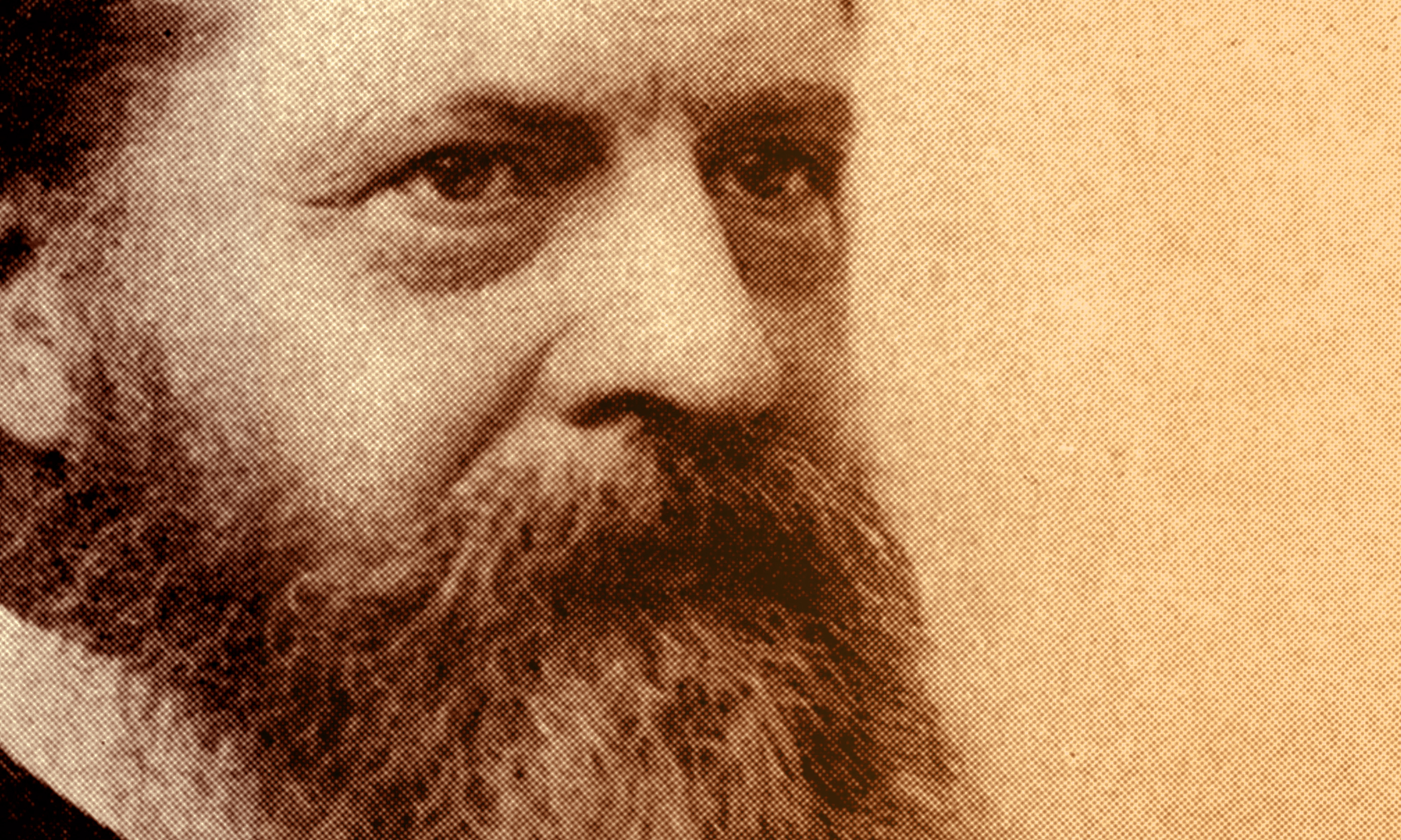
What is pragmatism—according to the man who coined the term, Charles Sanders Peirce? In 1903, C.S. Peirce (1839–1914) was invited by his friend, William James, to deliver a series of lectures on pragmatism at Harvard University. As the editors of The Essential Peirce, vol.2 write, in these lectures, “Peirce sought to build a case for […]

On Restoring Humanity
A Philosophical Happy Hour continuing our investigation into economics, politics, Catholic Social teaching, and the restoration of the good life for humanity. Last week, our Philosophical Happy Hour asked what Rerum Novarum, the 1891 Encyclical promulgated by Pope Leo XIII—and chief inspiration for the newly-elected Pope Leo XIV’s choice of name—could tell us about the […]

On Rerum Novarum and the Future of Human Society
A Philosophical Happy Hour investigating the Encyclical of Pope Leo XIII, Rerum Novarum, highlighting key passages and inquiring into their relevance today for considering the future of human society. Rerum novarum semel excitata cupidine, Pope Leo XII begins his famed Encyclical of 1891, “The desire of new things once having been aroused”, passes beyond the […]
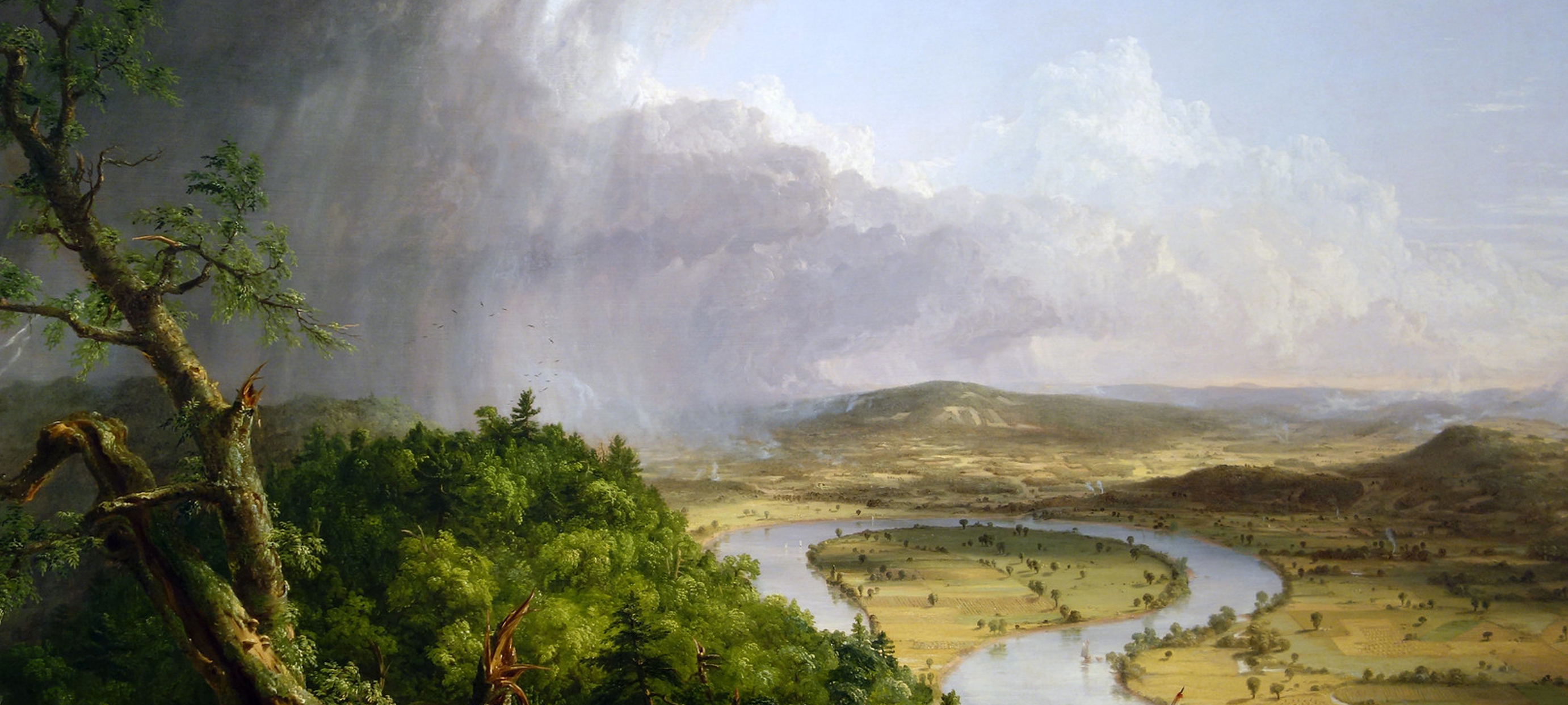
Rethinking Nature: A Thomistic Approach to Environmental Philosophy
What does it mean to care for creation? In an age dominated by climate rhetoric and ecological anxiety, conversations about the environment often drift into extremes: either sentimental reverence for nature or technocratic management of “resources.” But what if there were another way—one rooted in a deeper understanding of nature, of the human person, and […]
