
On Perseverance: The Virtue of Resolution
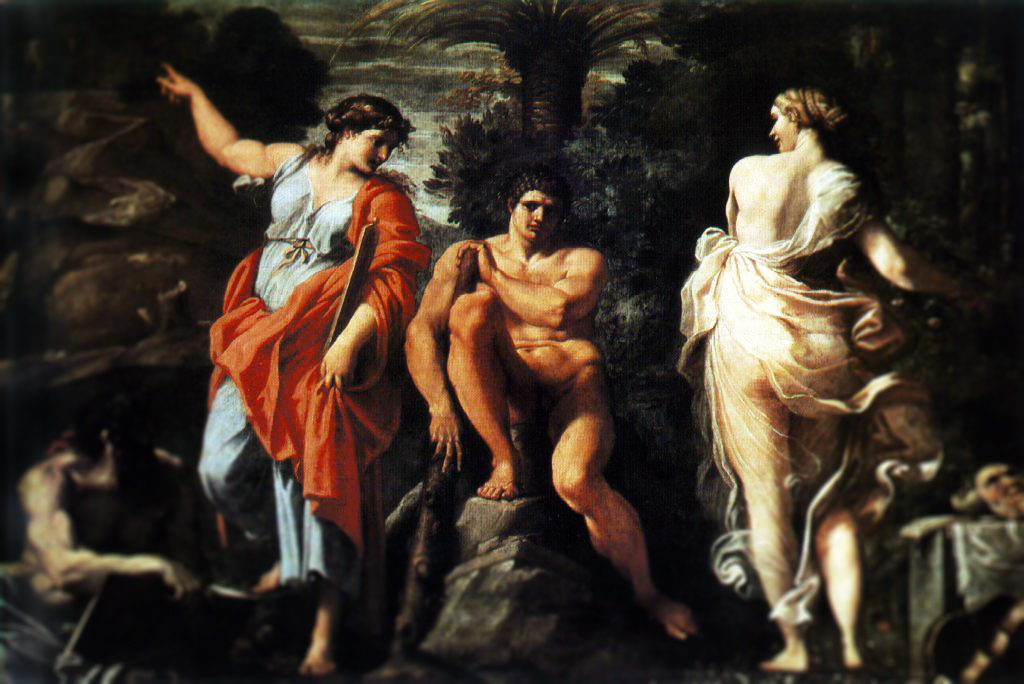
A Philosophical Happy Hour on establishing and maintaining the virtue of perseverance and carrying through our resolutions. We often begin our new years, whether explicitly or not, with an intention to better ourselves. The old year almost invariably, upon reflection, provides us evident opportunities for self-improvement. Sometimes, this intentions are not only explicit, but grand: […]

On Having a Good Time: Festivity and Contemplation
A Philosophical Happy Hour on the possibility of festivity in a darkened world, including its intimate relationship to the capacity for contemplation. Do you know how to have a good time? What does that even mean? For many people, no doubt, it entails some combination of entertainment, camaraderie, joking, laughing, imbibing, and eating. But more […]

On Pity and Resentment
A Philosophical Happy Hour on pity, resentment, mercy, justice, vengeance, and the multitude of human weaknesses. The two titular terms here present a conflict we have all doubtless encountered at one point or another: one person pitying another, and the pitied person reacting with resentment. Much could and ought to be said about resentment and […]

Interview: On Being as First Known
St. Thomas Aquinas presents in the corpus of his work (at, e.g., De veritate q.1, a.1, Summa Theologiae Ia-IIae, q.94, a.2, and In Metaphysicorum, lib.4, lec.3, n.605) the claim that what the intellect first conceives is being and that the intellect further resolves all conceptions into being. Illud autem quod primo intellectus concipit quasi notissimum, […]
Do You Trust Me?
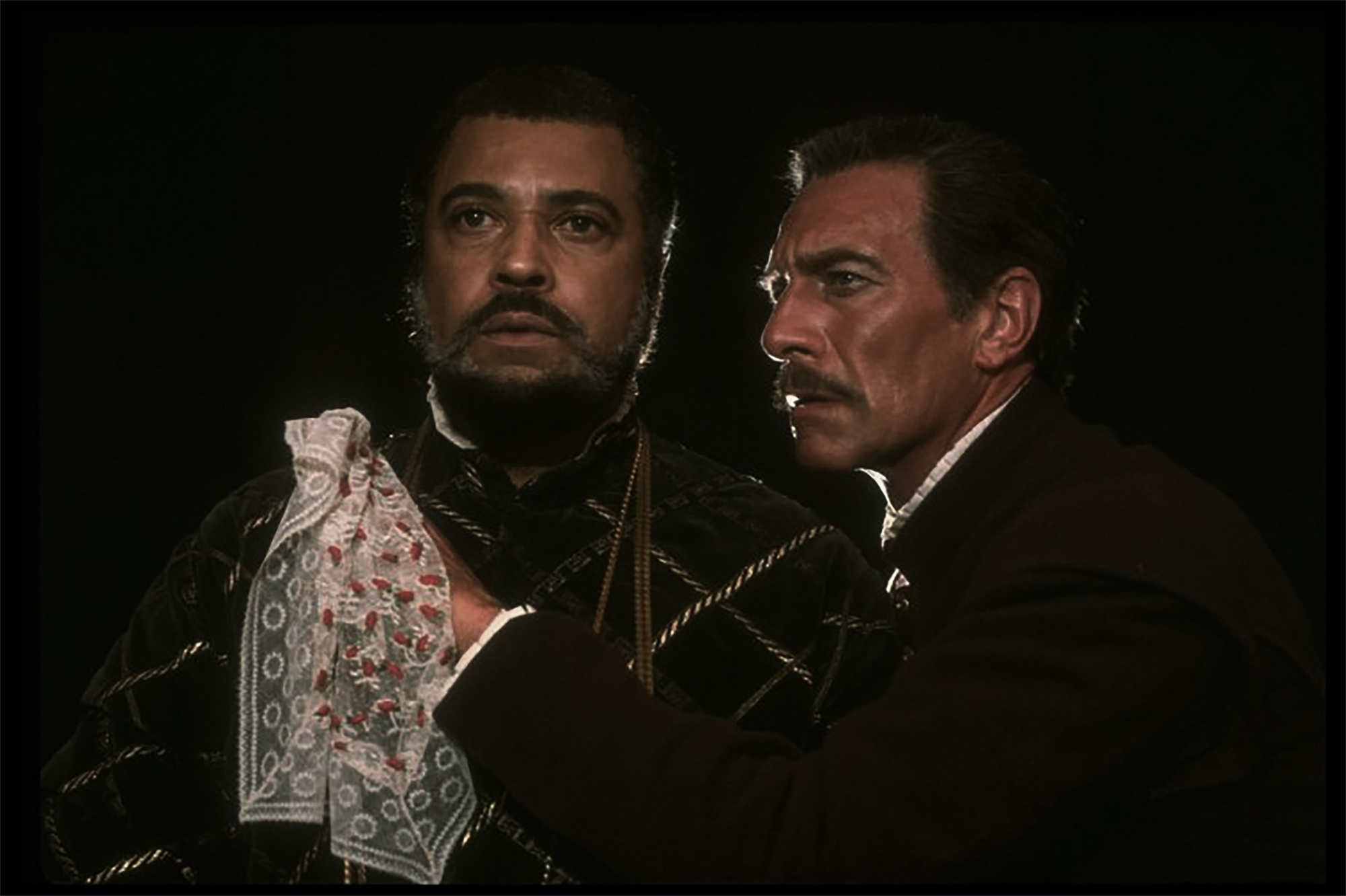
A Philosophical Happy Hour on the reasons for and nature of trust, distrust, and the consequences of breaking it. Image: Christopher Plummer as Iago and James Earl Jones as Othello (Requiescant in Pace). Trust today seems a quality lacking and, yet for which there is great desire. We do not trust our politicians and often […]

On Falsehood, Lies, and Deception
A Philosophical Happy Hour on the distinctions between falsehood, lies, and deception, and the morality of their use “Is lying always wrong? Is lying always lying?” There are two ways, I believe, that we can approach this question. The first evaluates manuals of moral theology or commentaries on ethics, looking for foundational reasons why for […]
On Incompetence and Malice
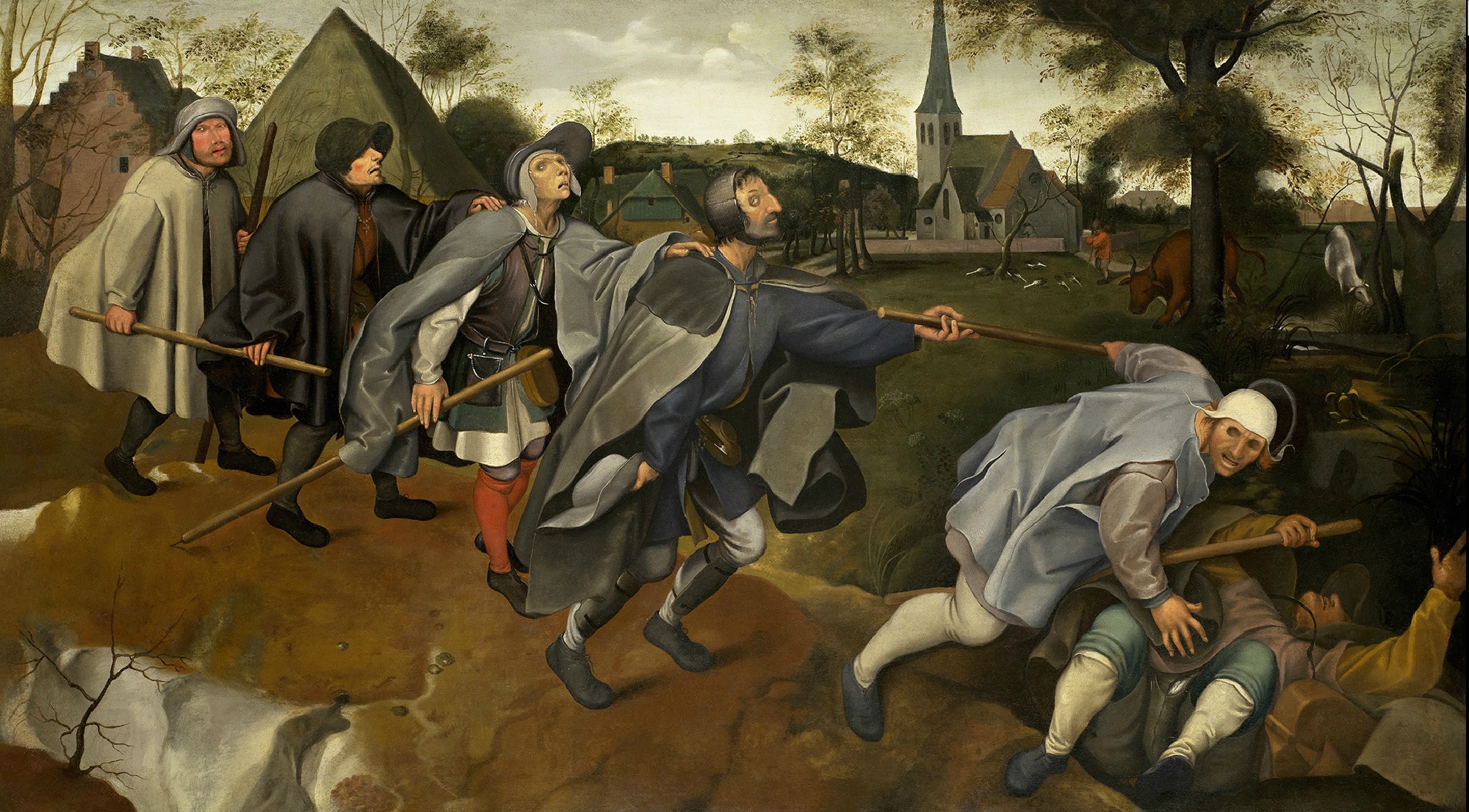
On 13 July 2024, when a 20-year-old kid attempted to assassinate Donald Trump during a campaign rally—only inches away from doing so and taking the life of a rally-goer—it raised serious questions about the security around the former president. How could such a young man surveil the area with a drone, get into such an […]

The Centrality of Noble Goods for Human Flourishing
The Lyceum Institute is delighted to host Dr. Daniel De Haan (Frederick Copleston Senior Research Fellow & Lecturer in Philosophy & Theology in the Catholic Tradition Blackfriars and Campion Hall / Research Fellow, Ian Ramsey Centre for Science and Religion, Faculty of Theology and Religion, University of Oxford) for a colloquium presentation.

Art to What End
For this week’s Philosophical Happy Hour, we are discussing the proper attitude towards art. What is art’s end? To how should we comport ourselves with respect to art? A Lyceum Member writes: What is the proper relation that one should have toward art? It is common today for people to speak about art as a […]

Hervaeus Natalis and Logic
Ho ho ho… Harvey is coming to town? One of the many fascinating contributions semiotics makes to contemporary philosophical discourse is role it sees for signs and sign-relations in the domain of logic. In this interview on Dogs with Torches, we are joined by the Lyceum’s very own Dr. Matthew K. Minerd to discuss the […]
