
Disarming the Presuppositions against Faith
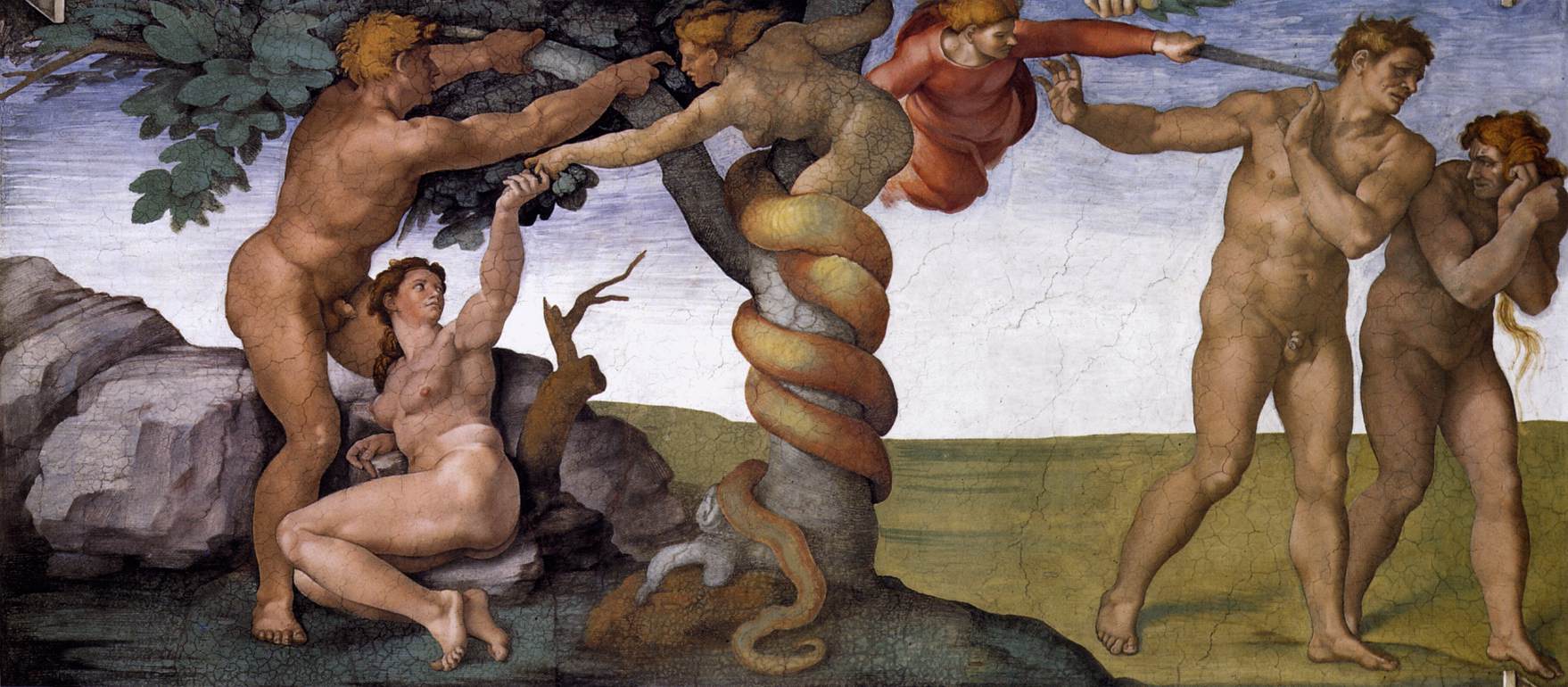
A Preface to a Long Conversation—on the relationship between faith and reason—begun by addressing the presuppositions which have made the conversation unnecessarily difficult. “There are not one hundred people in the United States”, once said Fulton Sheen, “who hate the Catholic Church; but there are millions who hate what they wrongly perceive the Catholic Church […]
On Making Distinctions
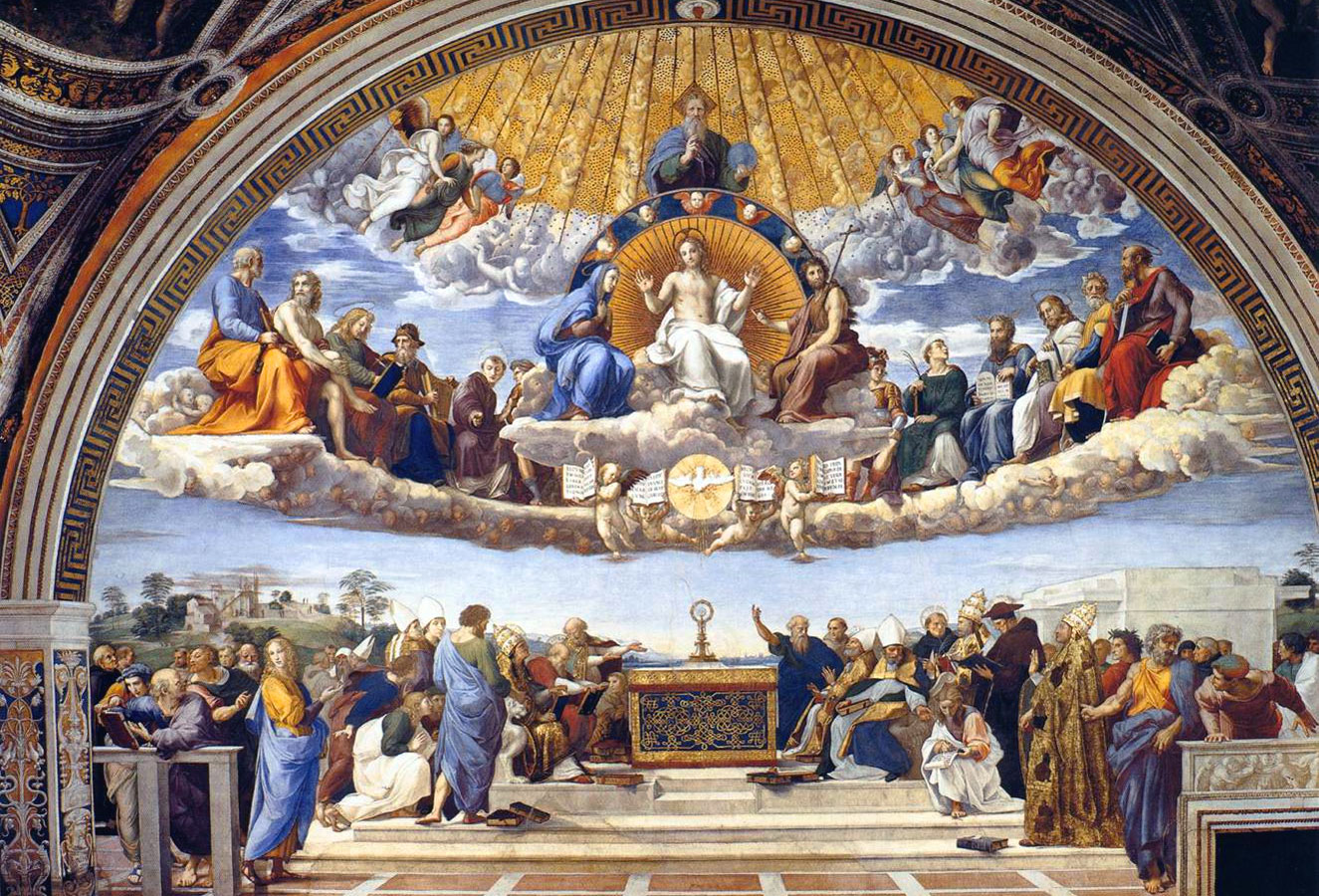
A Philosophical Happy Hour on distinctions, the doctrine of their kinds, and the importance making them correctly. The failure to make good distinctions characterizes the stupidity of our age. Observe the social networks and see how few distinctions are proposed, how unquestioning the categories, how obstinate every adherent to his or her ideology! How many […]
On Perception and Reality
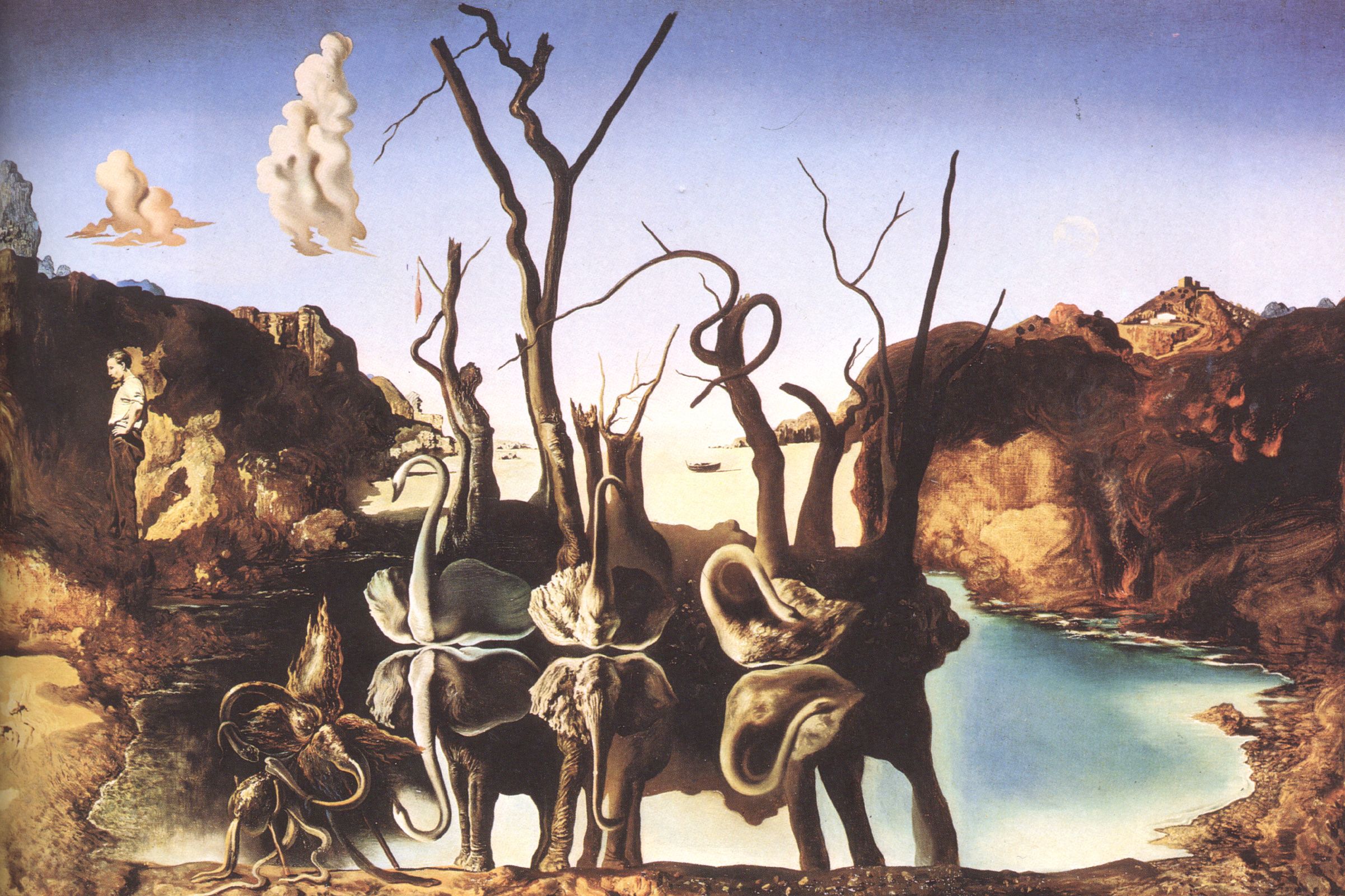
A Philosophical Happy Hour on theories of perception and their influence on our understanding of reality. What if the world you believe yourself to see, to hear, and to touch isn’t the world at all, but only a clever illusion fabricated by your brain? The familiar colors, sounds, and textures that feel so immediate—it has […]

On Cognitive Security
A Philosophical Happy Hour on the cognitive threats we face in an increasingly interconnected and digital world—and the possible solutions or approaches to them (the “security”). It is mid-2020 and you cannot shake the feeling that you are not getting the whole story. We are told that a lethal virus is raging across the global. […]
Passion and the Capture of Reason
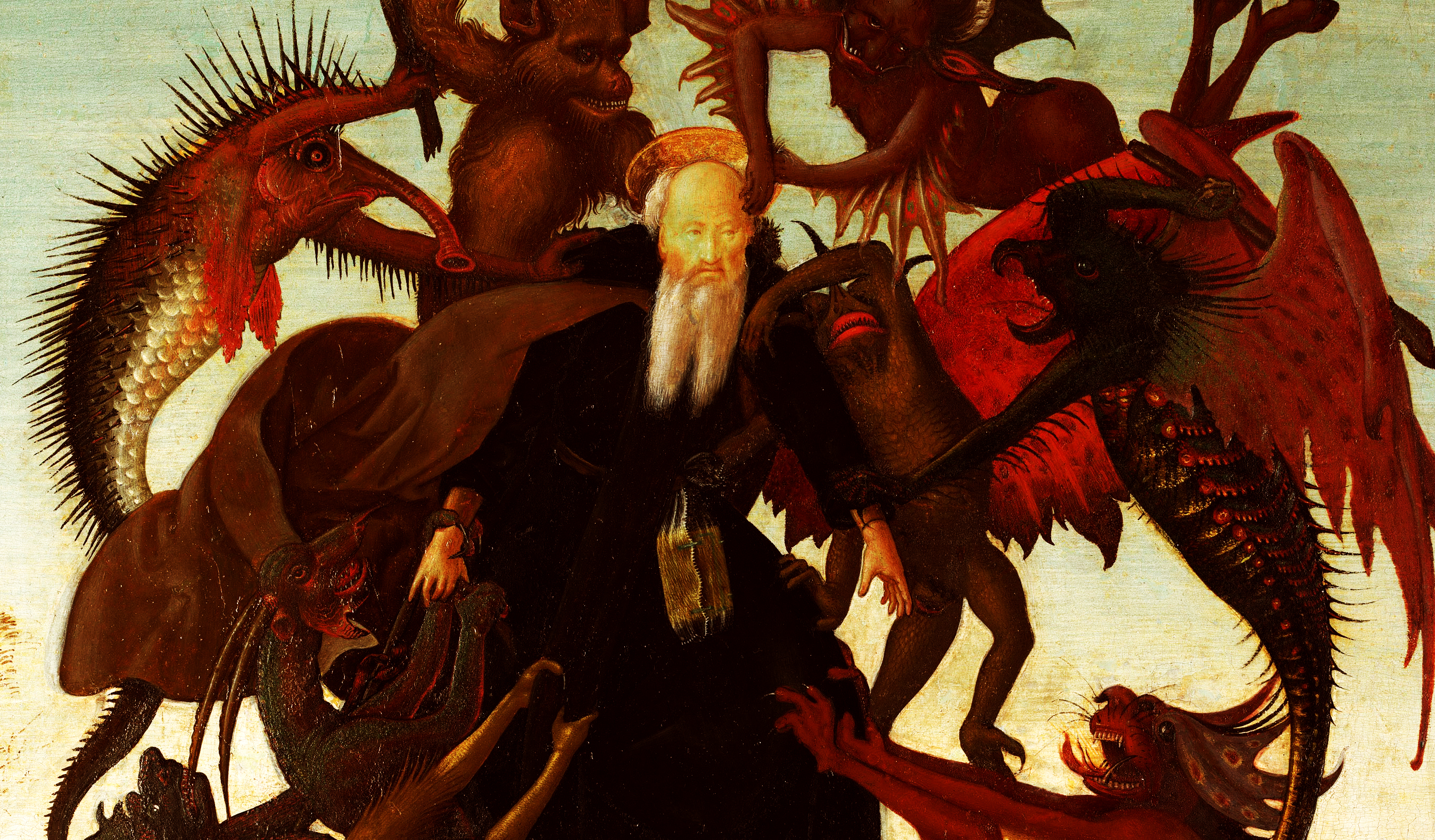
A Philosophical Happy Hour on the ways in which passion may capture and distort our exercise of reason—or, in proper subordination, affect a coherence of our persons Thinking clearly. It seems a vanishingly rare virtue. Ours is a reactionary time. Reaction, however, seldom comes from the clear light of reason—but rather from the murky vapors […]

On Restoring Humanity
A Philosophical Happy Hour continuing our investigation into economics, politics, Catholic Social teaching, and the restoration of the good life for humanity. Last week, our Philosophical Happy Hour asked what Rerum Novarum, the 1891 Encyclical promulgated by Pope Leo XIII—and chief inspiration for the newly-elected Pope Leo XIV’s choice of name—could tell us about the […]

On Rerum Novarum and the Future of Human Society
A Philosophical Happy Hour investigating the Encyclical of Pope Leo XIII, Rerum Novarum, highlighting key passages and inquiring into their relevance today for considering the future of human society. Rerum novarum semel excitata cupidine, Pope Leo XII begins his famed Encyclical of 1891, “The desire of new things once having been aroused”, passes beyond the […]
On the Relation of Reason to Faith
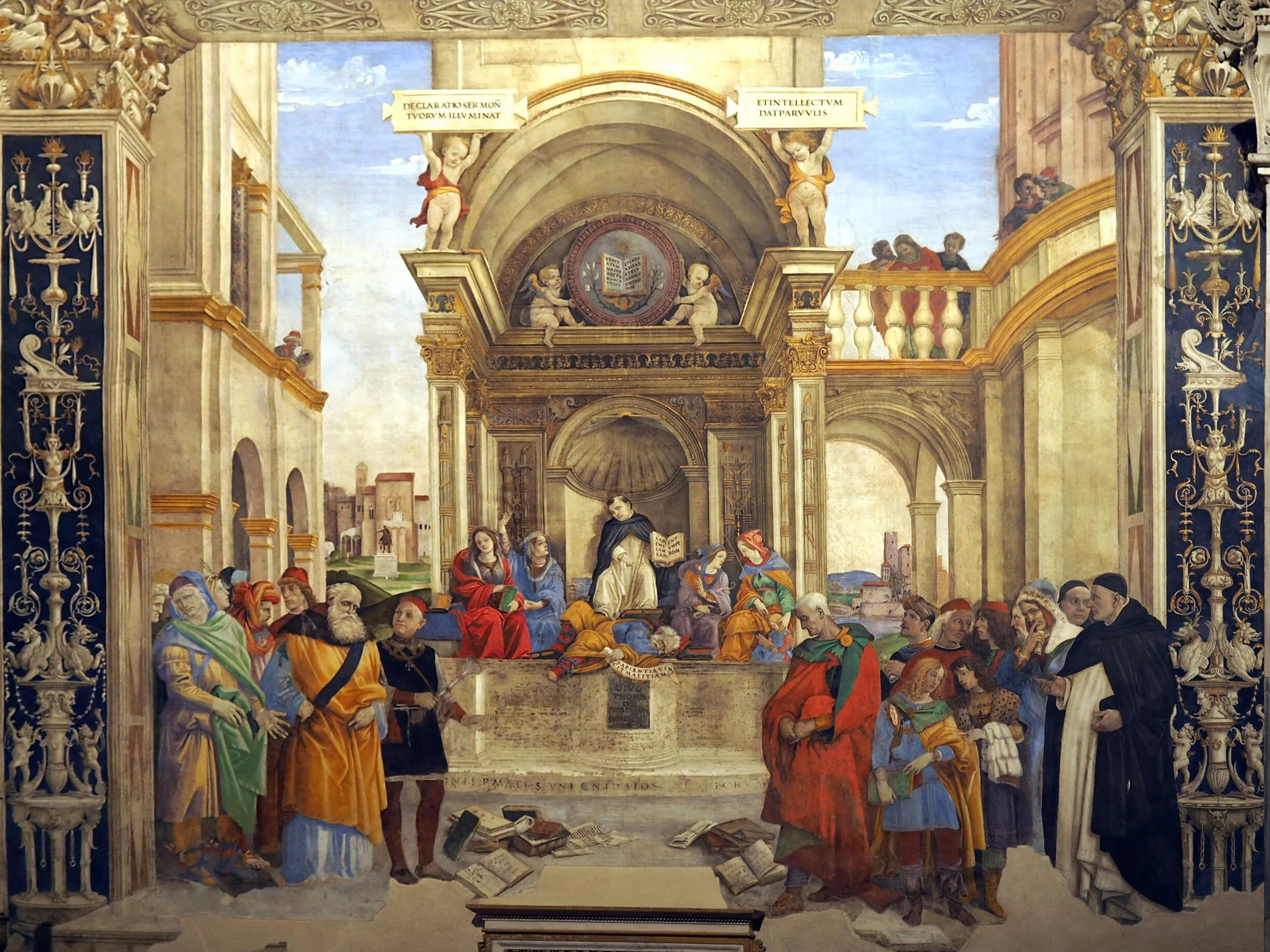
In this Philosophical Happy Hour we will turn our attention to the ever-persistent question of the relation between faith and reason. How should we understand the relationship between faith and reason? We will explore this question through the sharp and illuminating lens of St. Thomas Aquinas in his commentary on Boethius’ De Trinitate, specifically question […]

What does it mean to be “Rational”?
Common sense. “Practical.” “She has a good head on her shoulders.” “You’re being irrational!” Sayings uttered with frequency—but are they said with understanding? What do we mean by “being rational”? We contrast reason with feeling or emotion. We contrast reason or the rational, also, with the “irrational”. Does this mean that feelings or emotions are […]

The Problem of Christian Philosophy
The colloquium lecture delivered in May 2022 by James Capehart, PhD, “The Problem of Christian Philosophy” is now available to the public. You can listen or download below (full lecture at the bottom). If you enjoy the lecture, please consider supporting our Summer fundraising campaign! Your donations allow us to support the work of philosophers […]
