
Disarming the Presuppositions against Faith
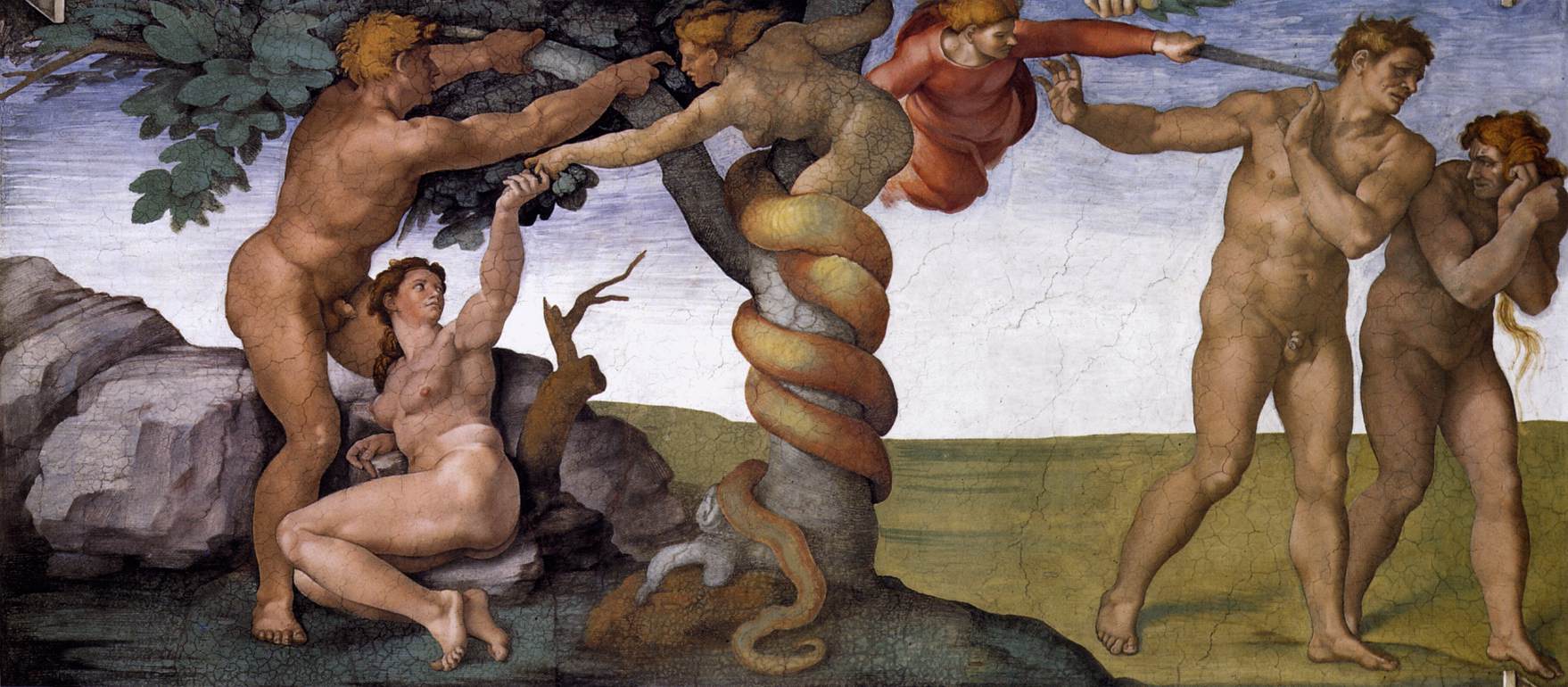
A Preface to a Long Conversation—on the relationship between faith and reason—begun by addressing the presuppositions which have made the conversation unnecessarily difficult. “There are not one hundred people in the United States”, once said Fulton Sheen, “who hate the Catholic Church; but there are millions who hate what they wrongly perceive the Catholic Church […]

Reading Circle: Pierre Manent [2026-27]
Description Democracy without Nations?: The Fate of Self-Government in Europe (4 weeks) [March–April]This work, now over twenty years old, retains clear relevance today in light of the current crisis of the nation-state as a political form. The book is an extended essay on some of the consequences of late–twentieth-century changes in European governance. As an […]
On “Idols of the Mind”
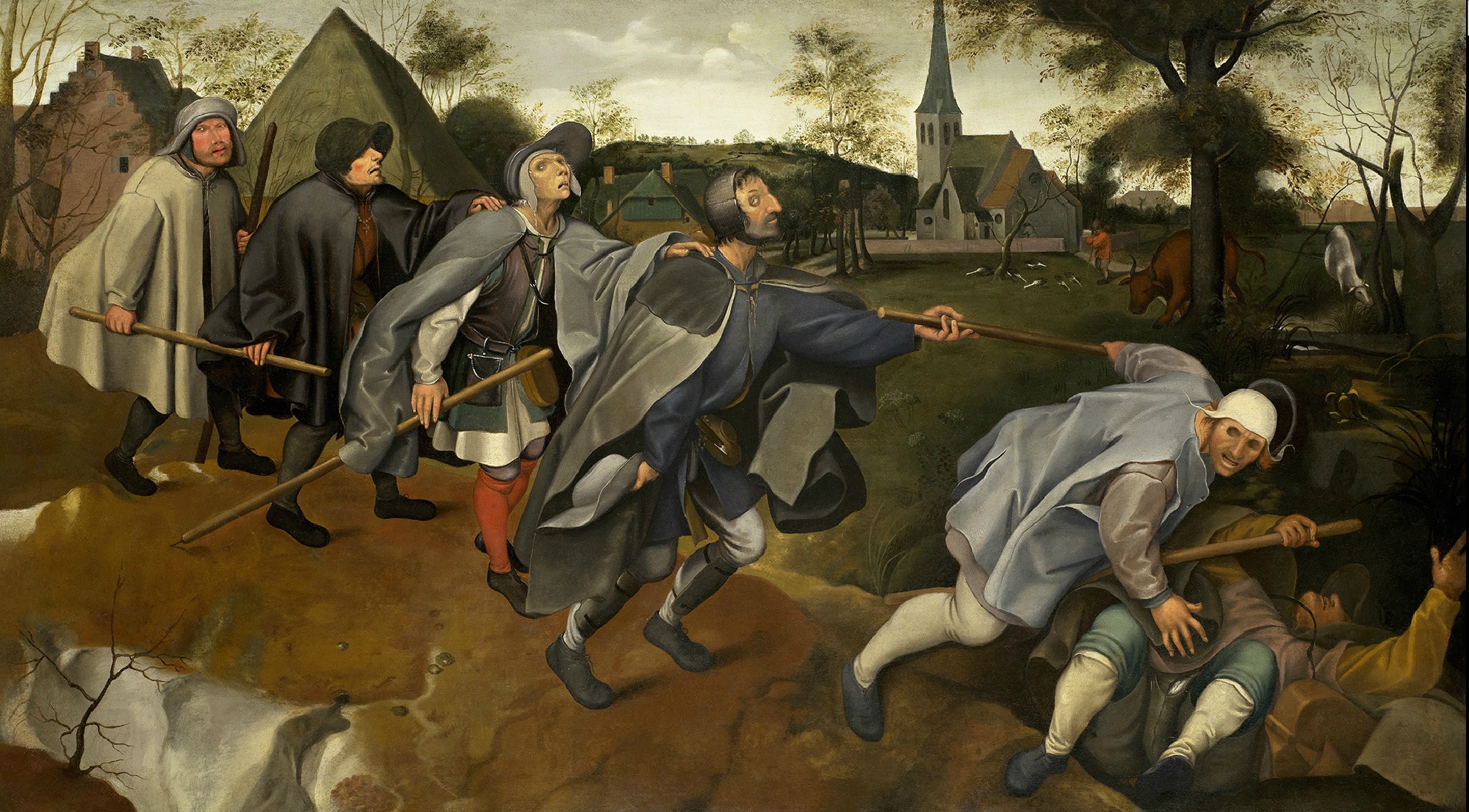
A Philosophical Happy Hour thinking through the challenges posed by Francis Bacon’s Idols of the Mind. The concept of idols as a philosophical problem is one that has captured the attention of a wide variety of thinkers, from early modern philosophers such as Descartes and Francis Bacon to 20th century phenomenologists such as Jean-Luc Marion. […]

On Restoring Humanity
A Philosophical Happy Hour continuing our investigation into economics, politics, Catholic Social teaching, and the restoration of the good life for humanity. Last week, our Philosophical Happy Hour asked what Rerum Novarum, the 1891 Encyclical promulgated by Pope Leo XIII—and chief inspiration for the newly-elected Pope Leo XIV’s choice of name—could tell us about the […]

On Rerum Novarum and the Future of Human Society
A Philosophical Happy Hour investigating the Encyclical of Pope Leo XIII, Rerum Novarum, highlighting key passages and inquiring into their relevance today for considering the future of human society. Rerum novarum semel excitata cupidine, Pope Leo XII begins his famed Encyclical of 1891, “The desire of new things once having been aroused”, passes beyond the […]
On the Relation of Reason to Faith
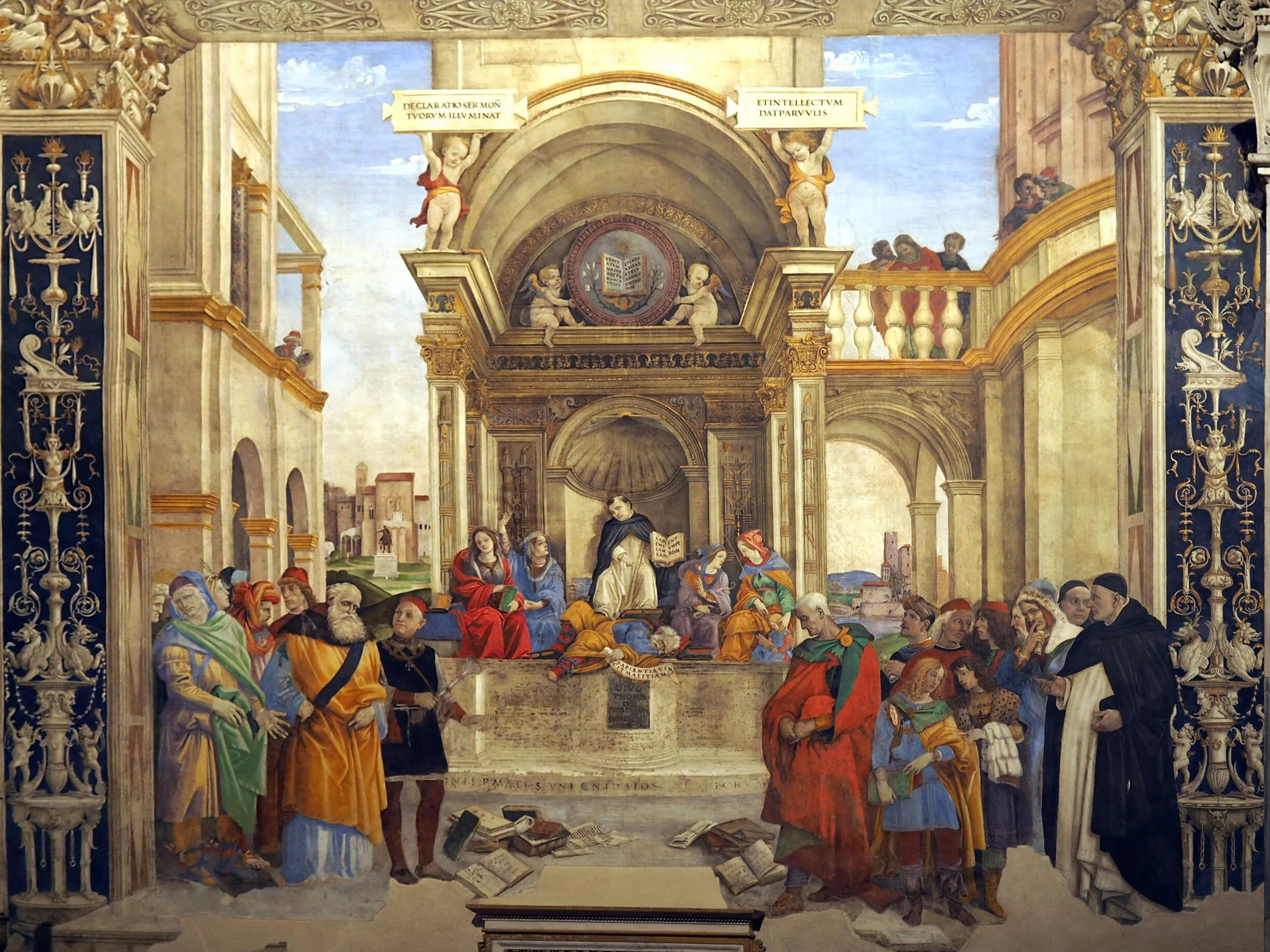
In this Philosophical Happy Hour we will turn our attention to the ever-persistent question of the relation between faith and reason. How should we understand the relationship between faith and reason? We will explore this question through the sharp and illuminating lens of St. Thomas Aquinas in his commentary on Boethius’ De Trinitate, specifically question […]

On Authentic Play
A Philosophical Happy Hour investigating the nature, significance, and importance of authentic play. What does it mean to play? Though we are all acquainted with play from an early age, we might be hard-pressed nonetheless to define it. On the one hand, it seems something common to higher animals: not only our pets—dogs and cats—but […]

C.S. Peirce on “Sham Reasoning”
An intellectually vigorous soul does not seek justification of its conclusions, but the truth of the matter. All too often, however, our reasoning is applied not to the discovery of inquiry’s foundations but thrown into the midst of a battle. This today is what we face: either you are with or against, an ally or […]

Evolution: Science, Religion, and the Truth
Questions concerning the nature of evolution—questions which find their way into discourse time and again—have cropped up yet again. This post will make an effort to outline some of these issues, with view to fostering a fruitful discussion for our Philosophical Happy Hour (24 April 2024) on how we ought to think of evolution. It […]

Hearing the Word of God
Hearing the Word of God: A Kierkegaardian Phenomenology of Conscience Dr. Steven DeLay “Husserl insisted that I should study Kierkegaard.” So recounts the Russian existential philosopher, Lev Shestov, in his posthumously published 1939 essay, “In Memory of a Great Philosopher: Edmund Husserl.” Why would Husserl have said such a thing? As soon as one begins […]
