

The Human Person and Artificial Intelligence
Today we conclude our first white paper series, derived from the 2024 Difficulties of Technology seminar, with Modules 8 – Technology and the Whole Person and 9 – Consensus on Artificial Intelligence. These papers address the principal and characteristic harm of poorly designed, developed, and implemented technology—namely, its fragmentation of the human person—and the specific […]

Humanitas Technica – Update
Our on-going project of publishing the results and developments of the Humanitas Technica Project continues: today, adding a new theoretical paper by Adam Pugen (Faculty Fellow) and two more of our first white paper series. Reclaiming Communication Reclaiming Communication from Information: Knowing in the Digital Age — This paper argues that digital media reduces communication […]
Reframing Our Understanding of Technology
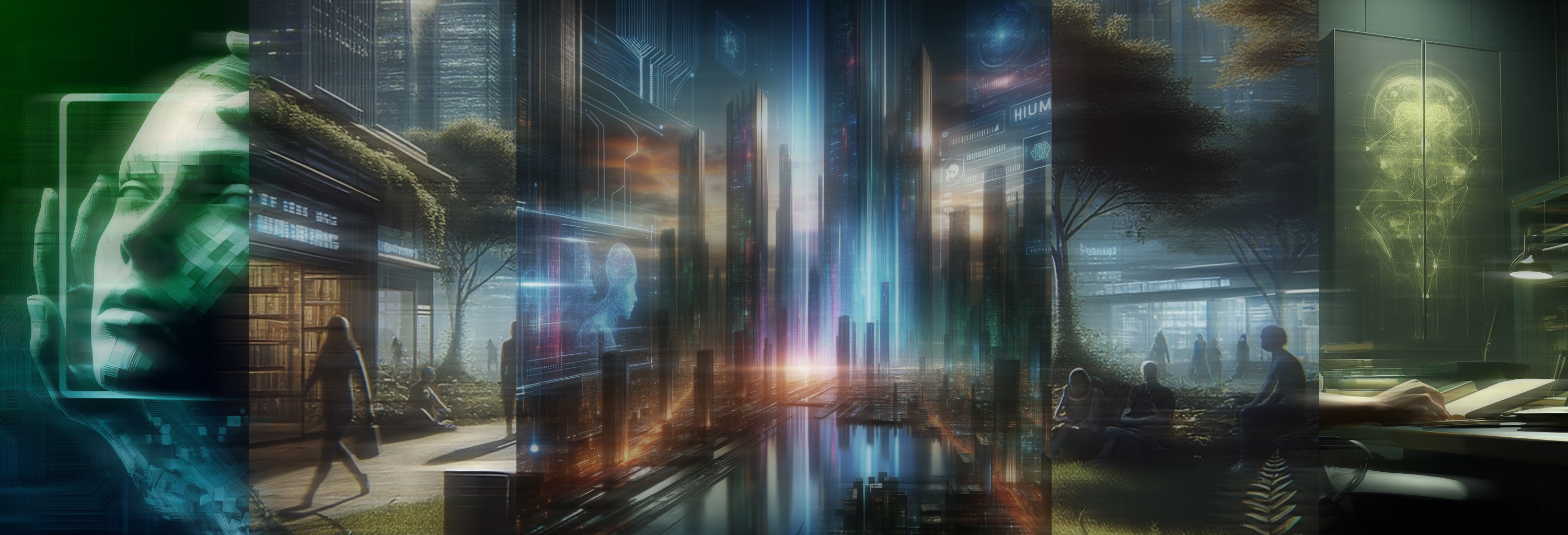
Technology is often discussed and conceived in extreme terms: triumphant progress, mastering nature; or self-inflicted catastrophic destruction. But rarely is the question asked—and even more rarely answered well—what is technology? How are we affected in ourselves by our technologies? The 2024 Difficulties of Technology seminar, conducted within the multiyear Humanitas Technica project, asked these and […]
Digital Technology and the Malformation of the Human Soul
Dr. Brian Kemple of the Lyceum Institute joins Anthony Alberino for a discussion on digital technology and its relation to the human soul. Together they reflect philosophically on: This is the third installment in Dr. Alberino’s “Dangers of the Digital Age” series, which can be found here.

Understanding our Environments
In this conversation, Adam Pugen explores how new technologies amplify aspects of the human psyche, particularly focusing on the differences between auditory and visual cultures. He discusses how these sensory modalities shape our experiences and perceptions in distinct ways—and the need for media literacy, the changes between television and digital, the thinking of Marshall McLuhan, […]
Reintegration of the Human Soul
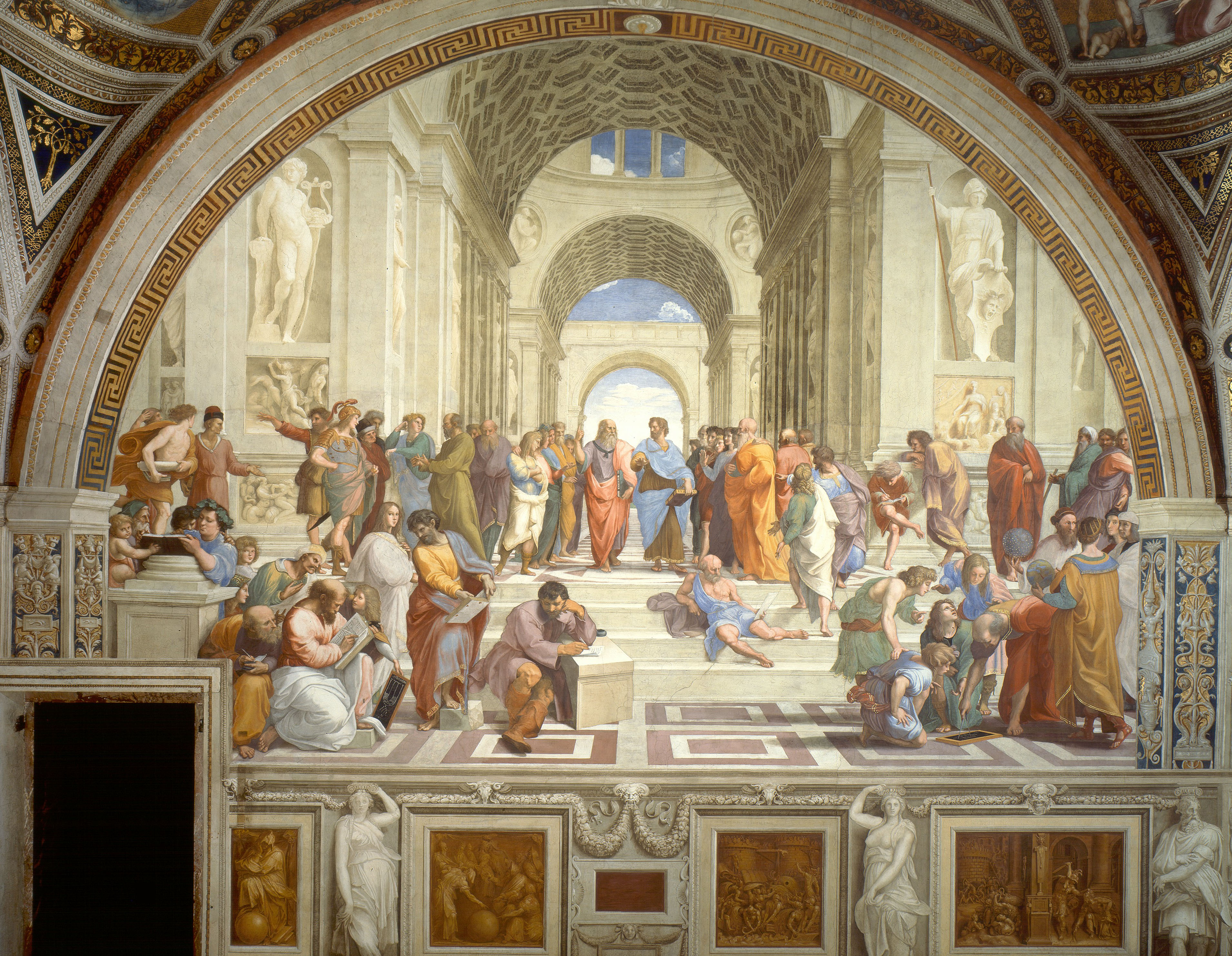
The Lyceum Institute’s Humanitas Technica project returns to the American Catholic Philosophical Association’s annual conference. Below is the abstract around which our discussion panel, “Reintegration of the Human Soul in the Digital Age”, will be ordered. We plan to record the panel. We are subject to a technologically-mediated fragmentation of our very souls. This fracturing […]

The Death and Evolution of Education – Epilogue: Building New Institutions
This is the epilogue to a four-part series on the Death and Evolution of Education, which seeks to explain why we cannot rely upon the university to provide the intellectual formation necessary for the common good, but must “evolve” a new approach to learning. Part I: Introduction can be found here, Part II: The Hostile […]

Seminar: The Opportunities of Technology [Fall 2025]
Announcement of our Fall 2025 seminar, “The Opportunities of Technology”—how can we redeem the technological from its current abused status? Description Details All Lyceum Institute seminars include weekly readings, lectures, and live discussion sessions. The discussion sessions are recorded. This seminar includes extensive readings, but does not require advanced philosophical knowledge (nor does it have […]

The Death and Evolution of Education – Part IV: Evolution of Higher Education
This is the fourth in a four-part series on the Death and Evolution of Education, which seeks to explain why we cannot rely upon the university to provide the intellectual formation necessary for the common good, but must “evolve” a new approach to learning. Part I: Introduction can be found here, Part II: The Hostile […]
The Death and Evolution of Education – Part III: Maladapted Universities
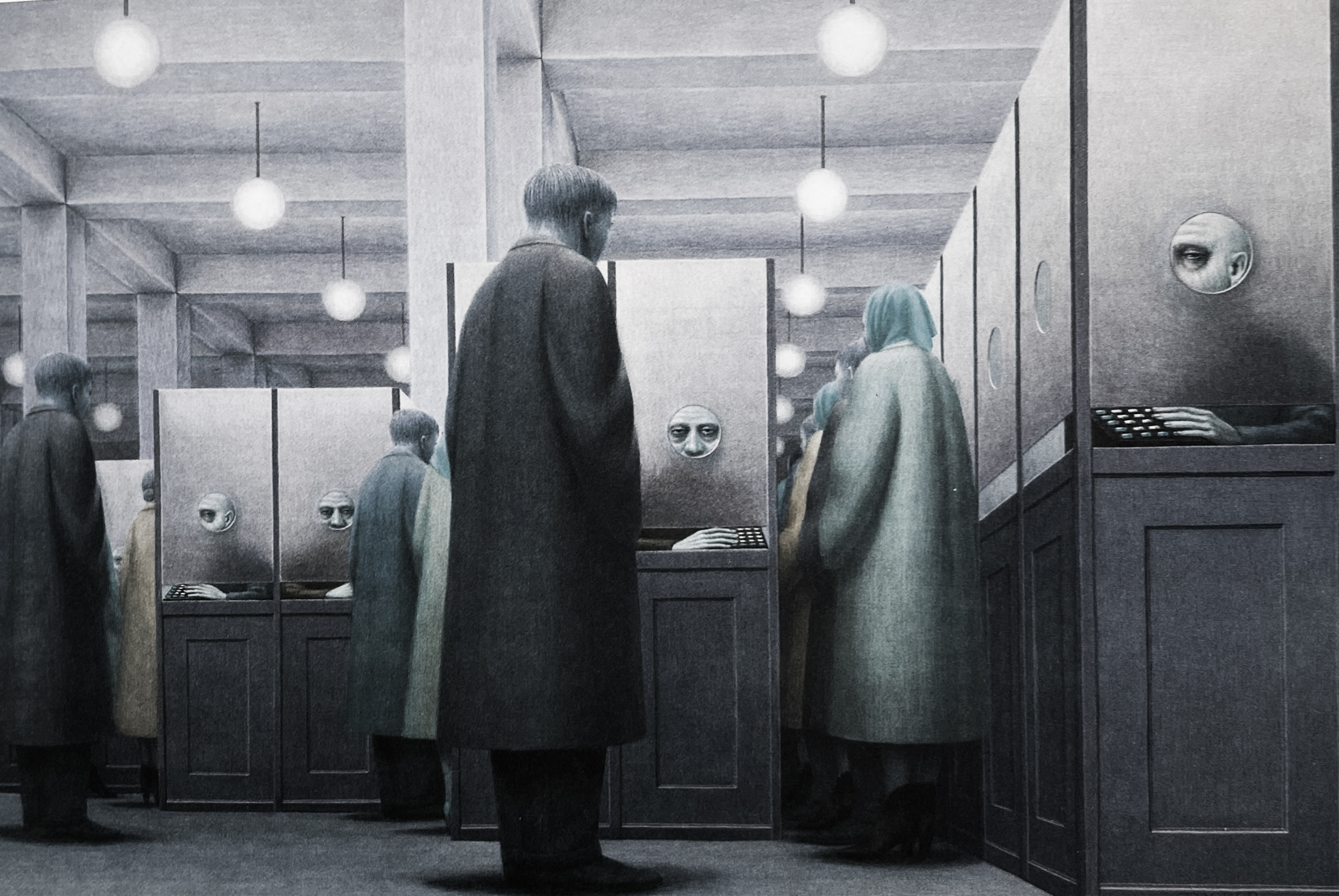
This is the third in a four-part series on the Death and Evolution of Education, which seeks to explain why we cannot rely upon the university to provide the intellectual formation necessary for the common good, but must “evolve” a new approach to learning. Part I: Introduction can be found here, and Part II: The […]
