


Seminar: Language and Philosophy [Winter 2026]
Announcement of our Winter 2026 Philosophy Seminar, diving deep into a graduate level discussion of language as fundamental to our understanding of human experience. Description Details This course includes eight weekly readings, lectures, and live class sessions. The class sessions are recorded but should be attended to fully participate. All required texts will be provided […]
Understanding our Environments
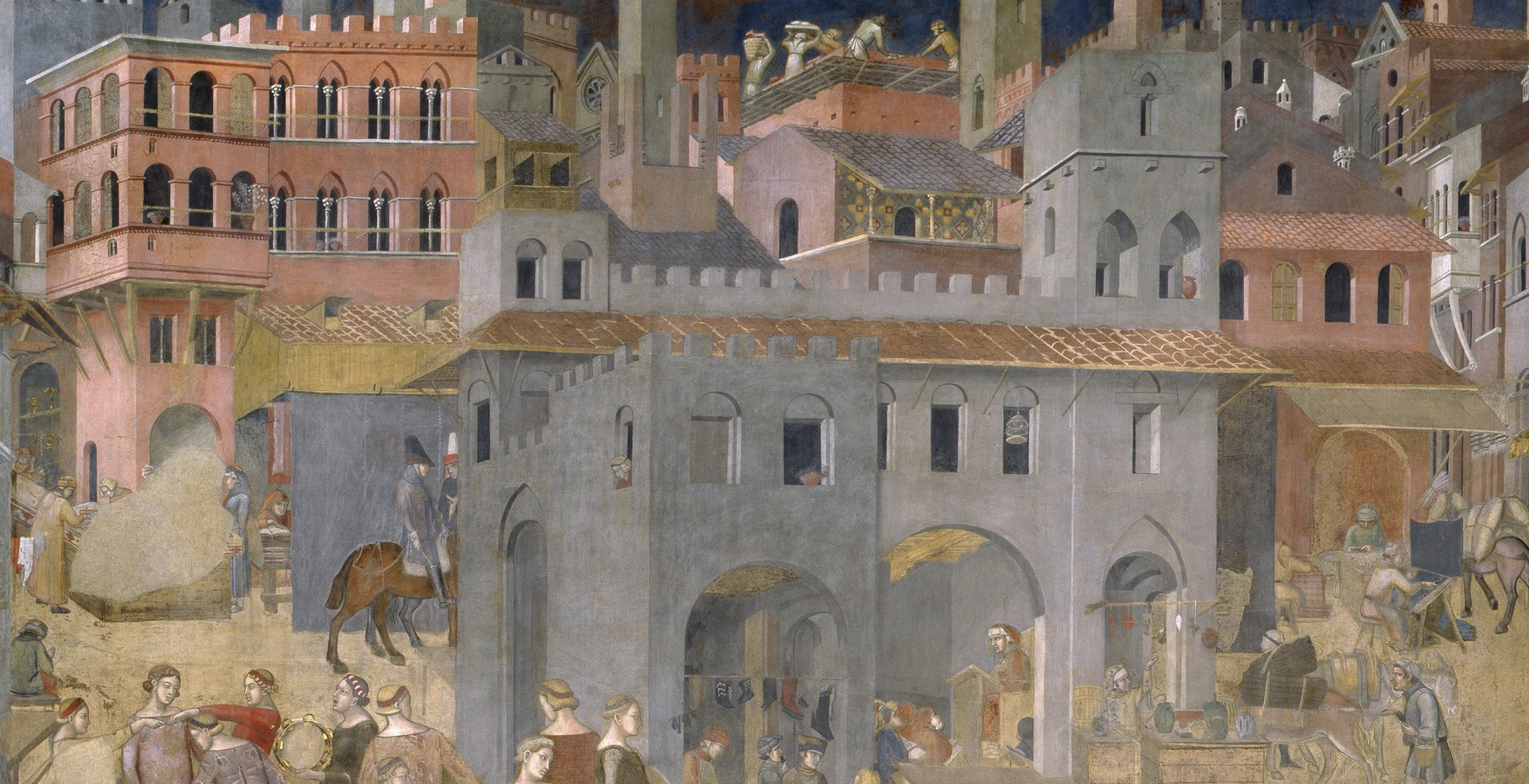
In this conversation, Adam Pugen explores how new technologies amplify aspects of the human psyche, particularly focusing on the differences between auditory and visual cultures. He discusses how these sensory modalities shape our experiences and perceptions in distinct ways—and the need for media literacy, the changes between television and digital, the thinking of Marshall McLuhan, […]

Truth, Goodness, and Beauty
In this conversation, Francisco Plaza shares his journey into the intellectual life, influenced by his experiences moving from the US to Venezuela. He discusses the current state of education, the importance of classical education, and the role of political philosophy in understanding justice and order. Plaza emphasizes the need for a hierarchy of values in […]
Beyond the University
Meaningful change never happens overnight. It takes years to establish and generations to perfect. The Lyceum Institute aims to build a new future for education—knowing it will not come quickly or easily, but that from a few minds truly dedicated to the cause, we can bring new life to learning beyond the university. The renewal […]
Reading Circle: Peirce’s Harvard Lectures on Pragmatism
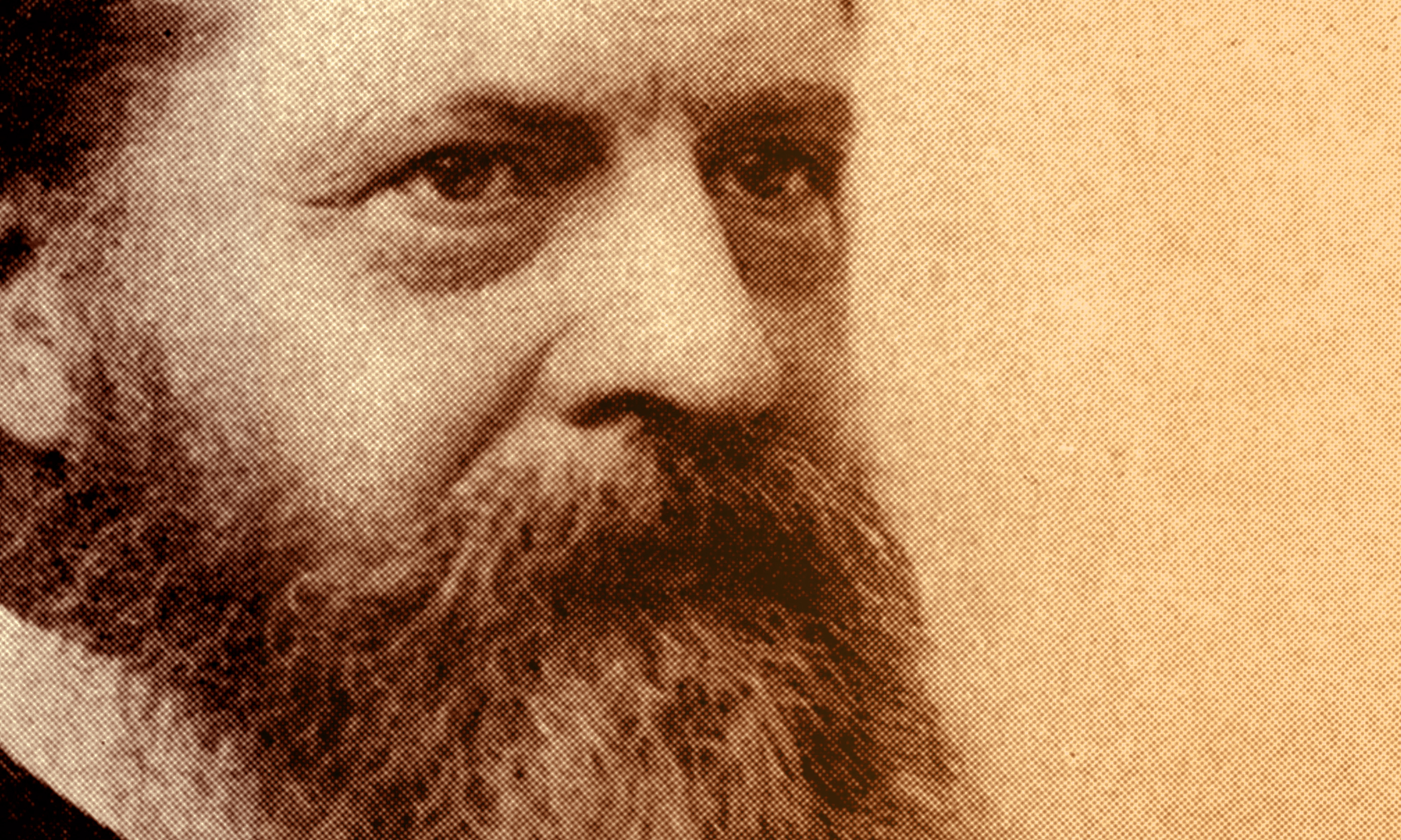
What is pragmatism—according to the man who coined the term, Charles Sanders Peirce? In 1903, C.S. Peirce (1839–1914) was invited by his friend, William James, to deliver a series of lectures on pragmatism at Harvard University. As the editors of The Essential Peirce, vol.2 write, in these lectures, “Peirce sought to build a case for […]

On Restoring Humanity
A Philosophical Happy Hour continuing our investigation into economics, politics, Catholic Social teaching, and the restoration of the good life for humanity. Last week, our Philosophical Happy Hour asked what Rerum Novarum, the 1891 Encyclical promulgated by Pope Leo XIII—and chief inspiration for the newly-elected Pope Leo XIV’s choice of name—could tell us about the […]
The Future is Technoclassical: Signs of the McLuhan Century (Part Two)
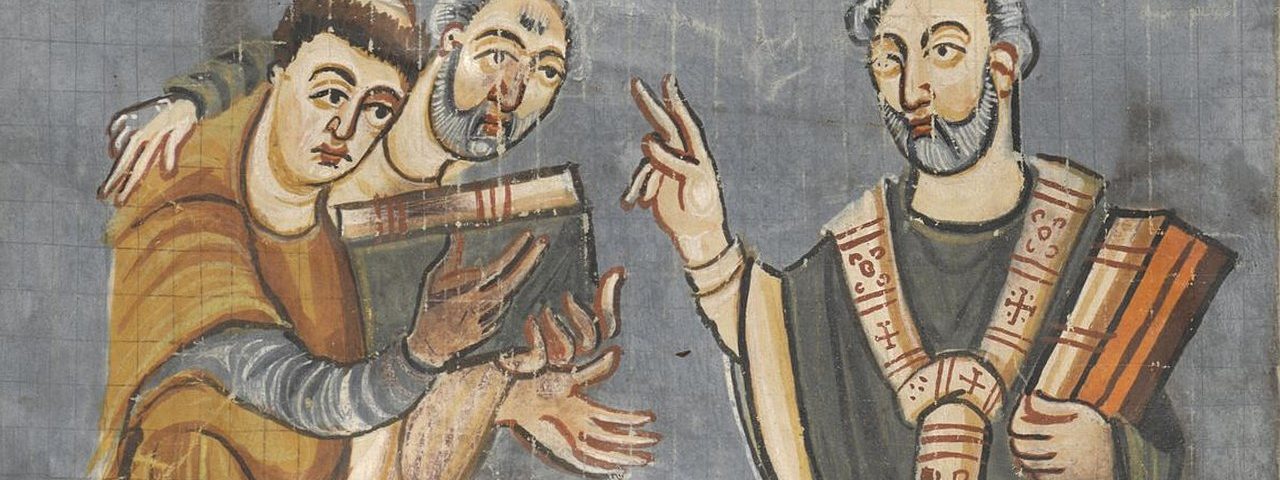
If the difficult and polarizing aphorisms of the media theorist Marshall McLuhan might be appreciated, not as provocative and likely misleading pop cultural soundbites, as they were in the 1960s,1 but rather as foundational insights through which to understand, and act in, the present digital world, how might we begin to formulate the contemporary significance […]

On Rerum Novarum and the Future of Human Society
A Philosophical Happy Hour investigating the Encyclical of Pope Leo XIII, Rerum Novarum, highlighting key passages and inquiring into their relevance today for considering the future of human society. Rerum novarum semel excitata cupidine, Pope Leo XII begins his famed Encyclical of 1891, “The desire of new things once having been aroused”, passes beyond the […]
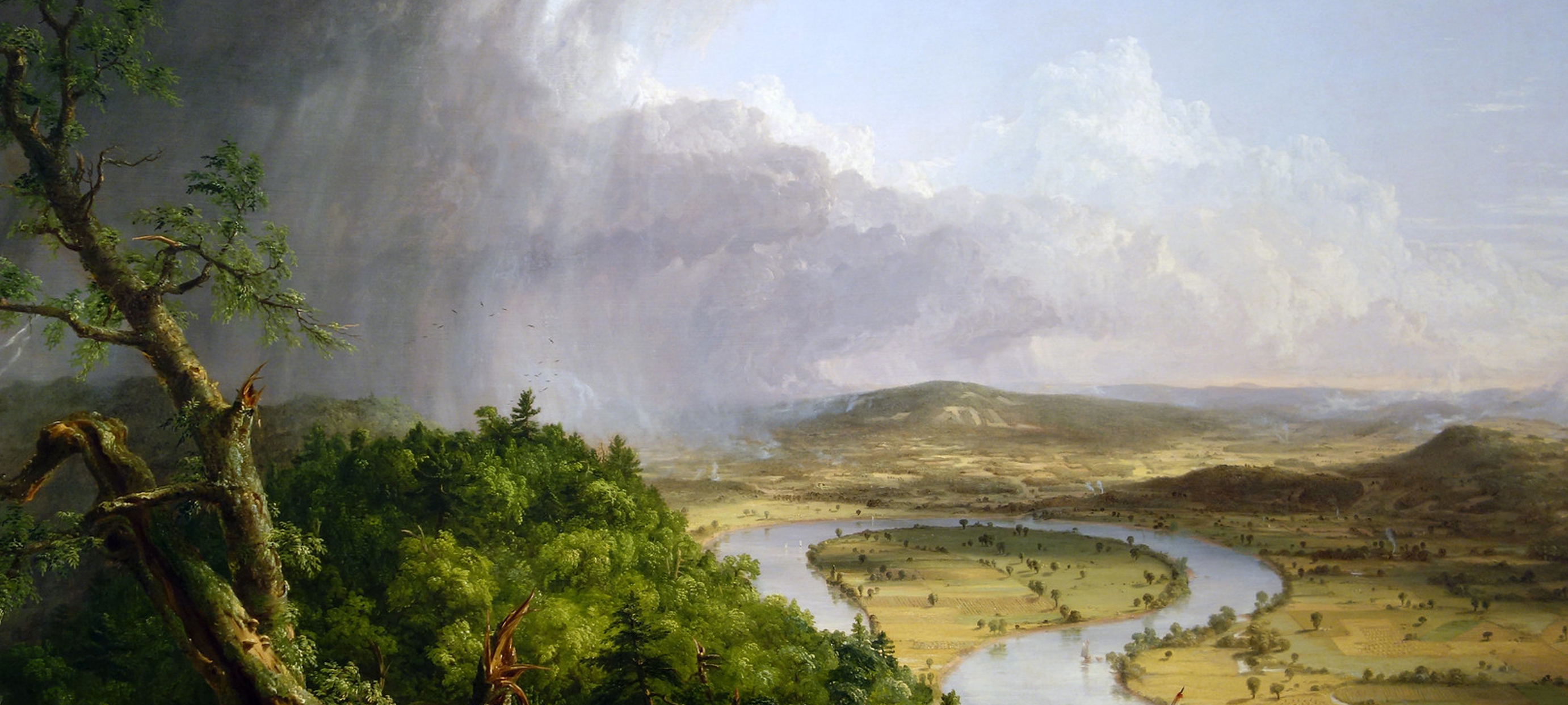
Rethinking Nature: A Thomistic Approach to Environmental Philosophy
What does it mean to care for creation? In an age dominated by climate rhetoric and ecological anxiety, conversations about the environment often drift into extremes: either sentimental reverence for nature or technocratic management of “resources.” But what if there were another way—one rooted in a deeper understanding of nature, of the human person, and […]
