
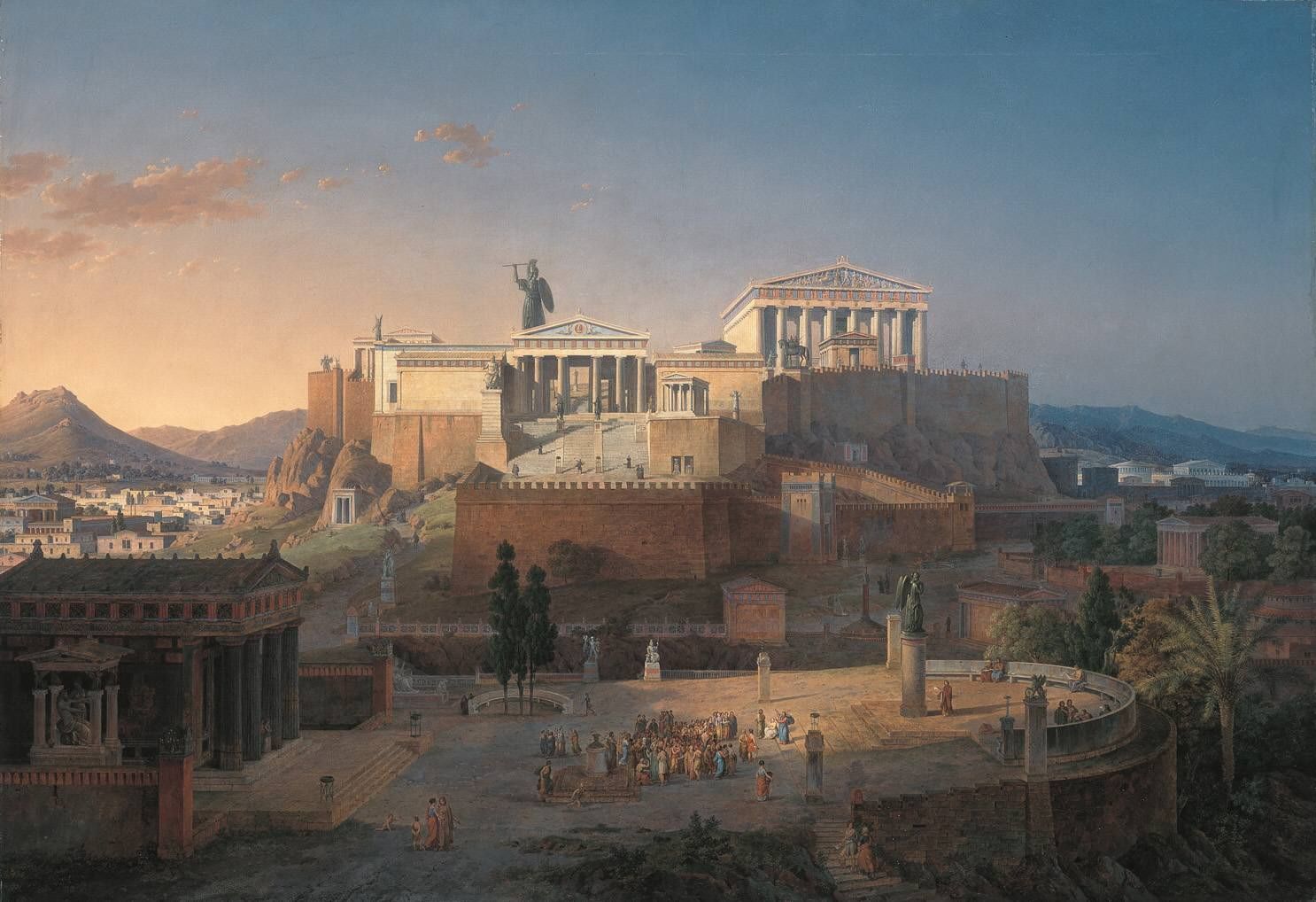
What Classical Education Needs
In this conversation, Geoffrey Meadows (Head of Upper School, Tulsa Classical Academy) discusses being a “hunter of causes” and the need to translate enthusiasm into hard work in classical education. Together with Dr. Kemple, he discusses the importance of philosophy, the impact of technology on education, and the necessity of moral formation in students. Geoffrey […]

Engagement Survey (Prize Giveaway)
Public Engagement Survey Now Open The Lyceum Institute exists to serve a public good: serious liberal education conducted online, grounded in tradition, and ordered toward intellectual and moral formation. As our programs, seminars, and community continue to grow, it is important that we pause to listen—not only to members, but to the wider public we […]
Trivium: Grammar I – Foundations [Winter 2026]
Announcement of our Winter 2026 Trivium: Art of Grammar course, in which we investigate the foundations of the English language (and language generally) through a rigorous study of syntax and semantics. Description Details This course includes eight weekly readings, lectures, homework assignments and two live class sessions per week. The class sessions are recorded but […]
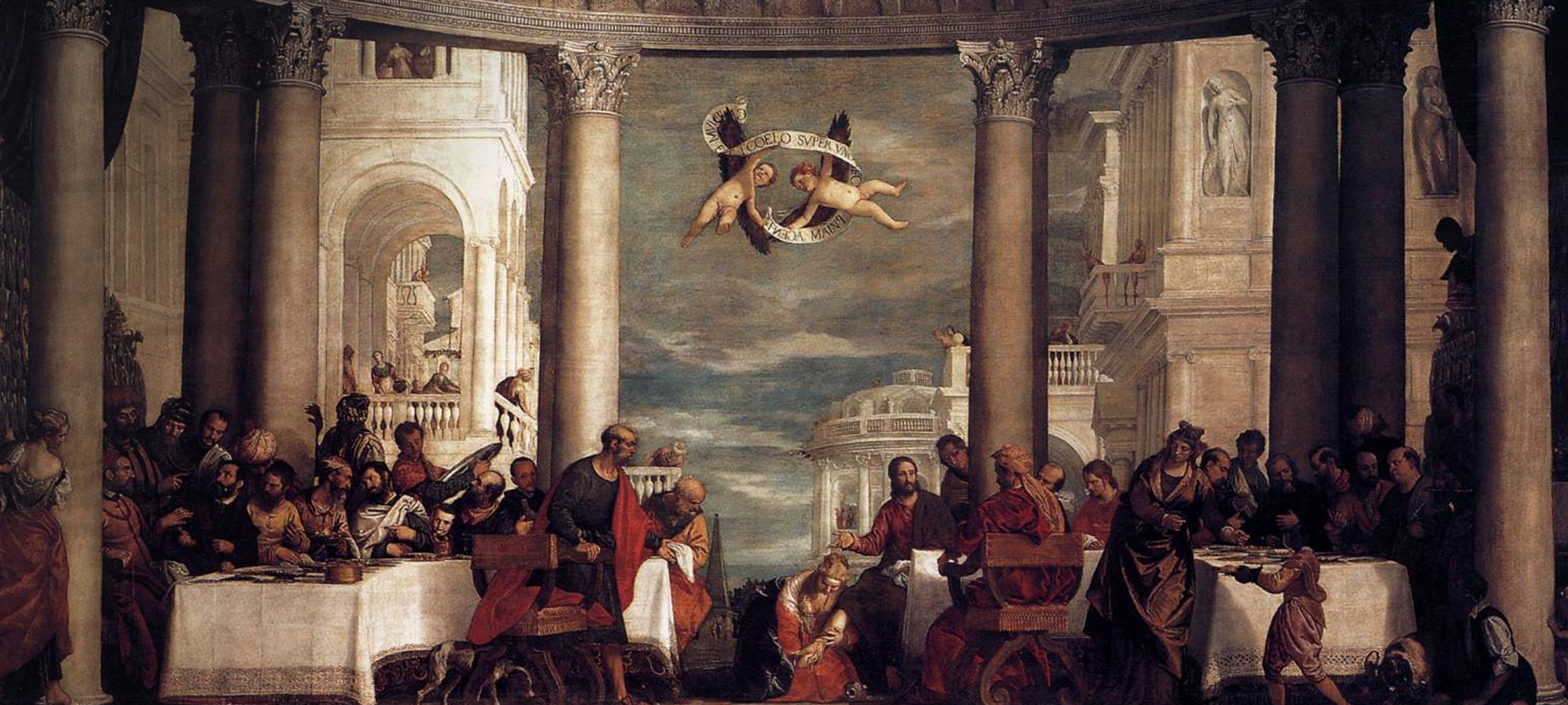
The Mystery of Being and the Rediscovery of Tradition
In this conversation, Dr. Matthew K. Minerd reflects on his intellectual journey, highlighting the influence of language and philosophy—the dance of νοῦς before our eyes—in shaping his understanding of the world and his habits of inquiry. Listen as he and Dr. Kemple discuss the discovery of meaningful study, the development of a global intellectual perspective, […]
Trivium Courses (2026)
In 2026, the Lyceum Institute will offer the first three of six courses in our core Trivium curriculum, providing an entryway into a truly “liberal” education: We are also aiming to introduce regular occasions throughout the year for practicing dialectical disputation and rhetorical presentation, though plans for this are still taking shape. The three core […]
Philosophy and the Art of Reasoning
John Boyer joins Brian Kemple to discuss the decline of traditional liberal education and its impact on university curricula, emphasizing the superficial engagement with important questions in contemporary society, particularly through social media. In place of these superficial approaches, we ought to recover the Aristotelian understanding of causality, developing habits of real inquiry, and discovery […]

On Life, Knowledge, and Vocation
A Philosophical Happy Hour contemplating the role of knowledge in the various vocations of life Lately—though, perhaps always, implicitly—we have found ourselves circling the topic of vocation. What is the calling of the human person? Does it fall into determinate categories—as husband or priest, mother or c-suite executive—or does it admit greater variability and complexity? […]
On the State of Higher Education
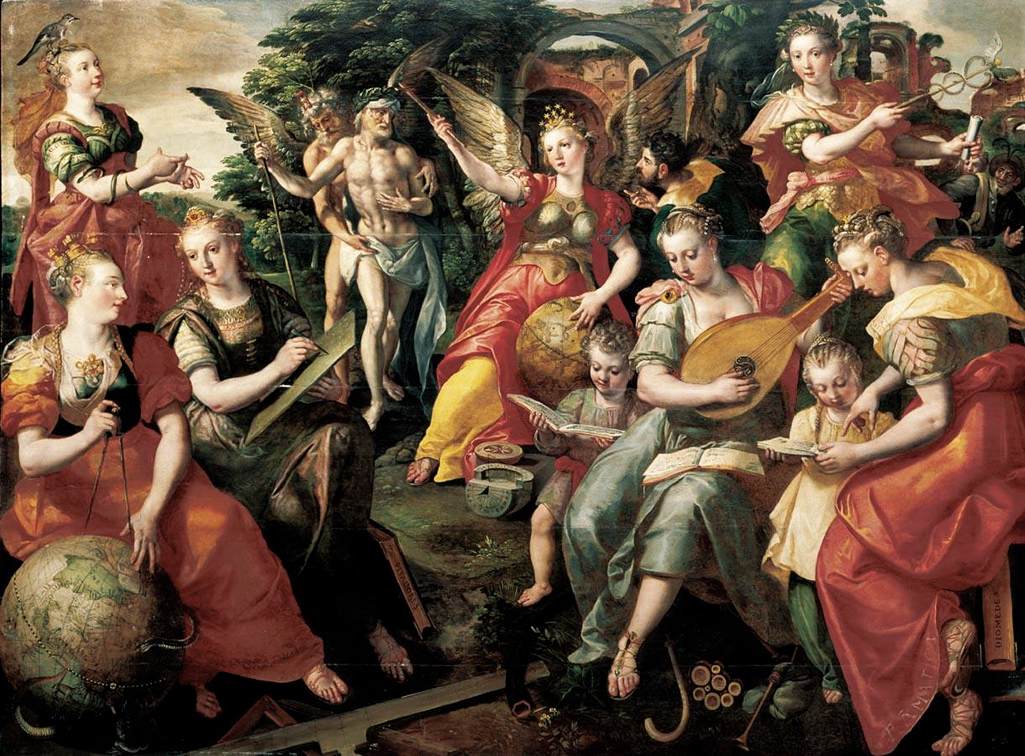
A Philosophical Happy Hour concerning the present conditions, future prospects, and most promising directions for the pursuit of higher education Every reality which exists only in the concrete, corporeal world—and especially those that exist only or primarily within the socially-constructed realities of human interaction—has a natural lifespan. They are born, they mature, and, eventually, they […]
Linguistic Signification: A Classical and Semiotic Course in Grammar & Composition
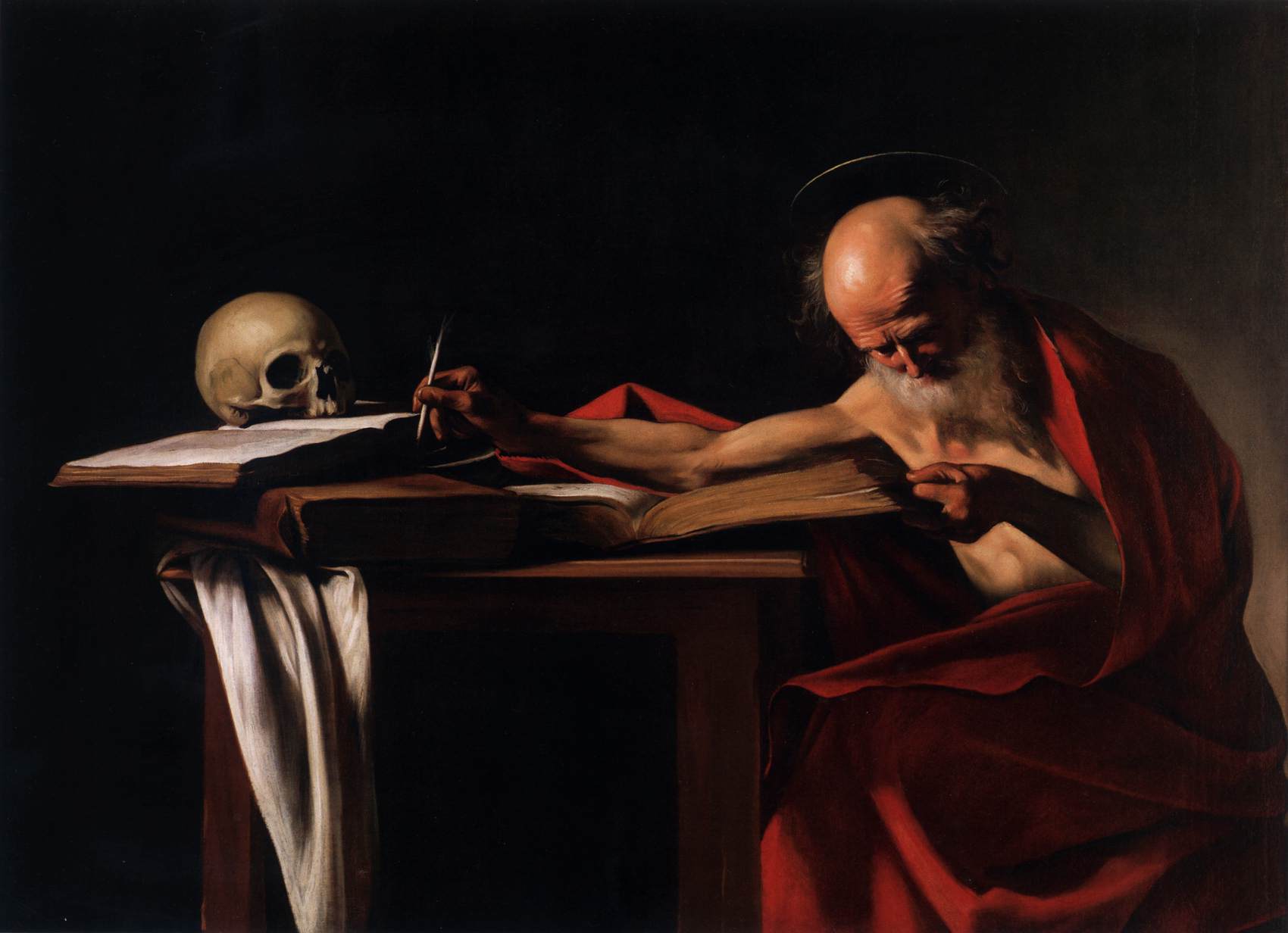
New! The second, greatly expanded edition—for those who seek not mere correctness, but understanding. In a world that ignores education in grammar—first, reducing it to mere “correctness” and, second, outsourcing the verification of that correctness to digital technologies—Linguistic Signification offers something far more substantial: an integrated education in the principles of language itself. This text […]
On Self-Awareness, Morality, and the Machine
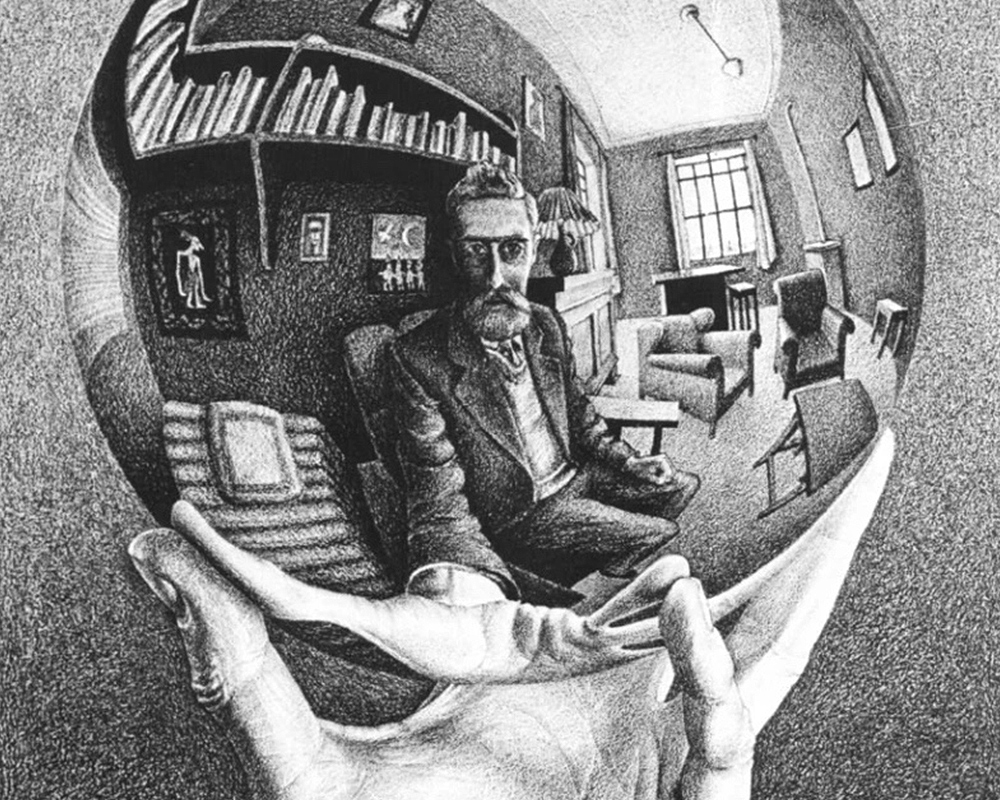
A Philosophical Happy Hour on the relationship between self-awareness, morality, and machine technologies What is the relationship between self-awareness and our moral convictions? How do our technologies affect this relationship? This week’s Philosophical Happy Hour takes up these questions and more. But let us set the stage for our conversation. A member brought this article […]
