
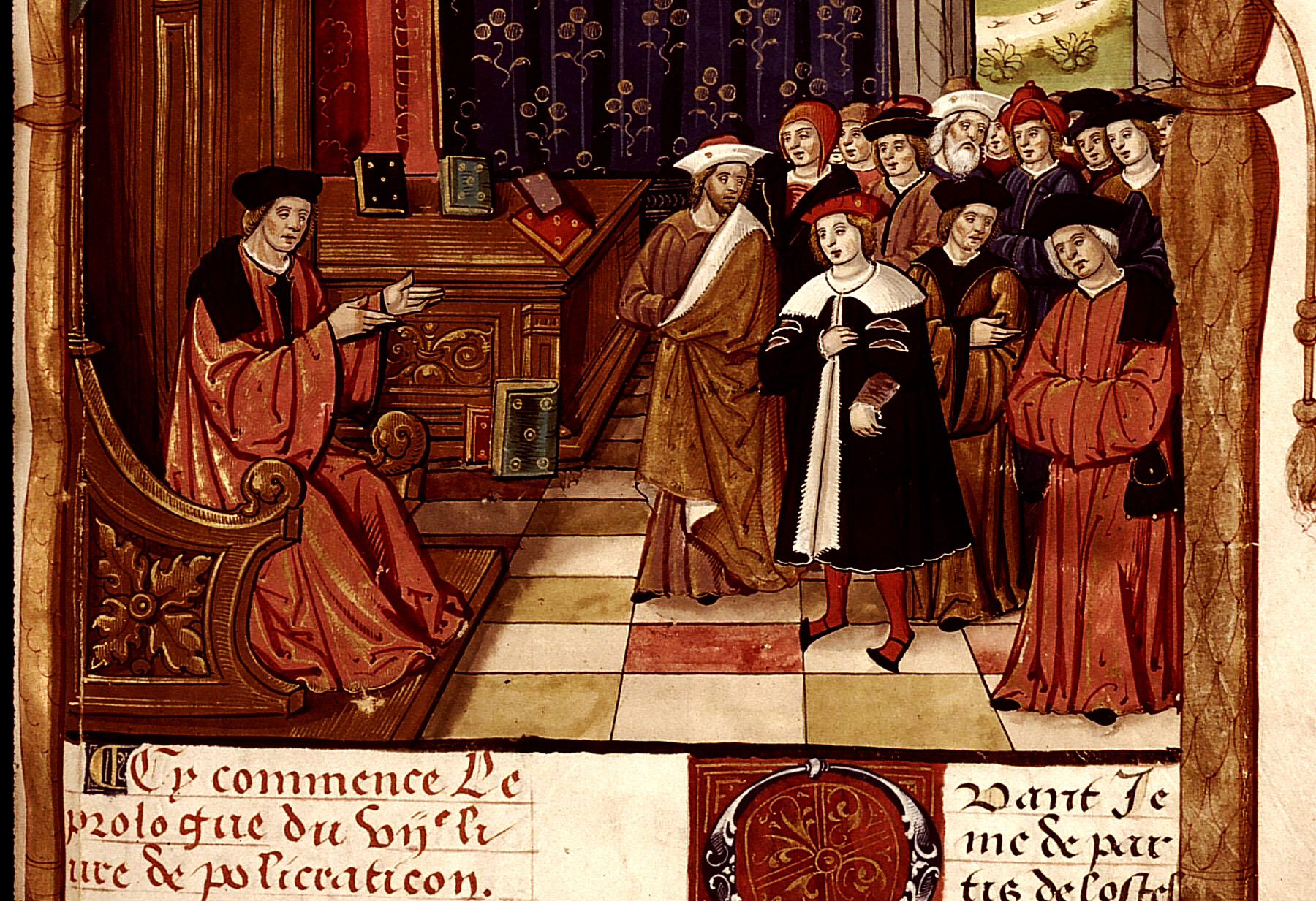
On the Problem of Education
A Philosophical Happy Hour concerning the problem of universal education: should we educate everyone? To what extent? How? Why (not)? If we look today at the results of universal education, particularly over the past century, we may think that its institution was a mistake. The results are those of decline. High test scores in a […]

Discovering Meaning in the Cosmos
A Philosophical Happy Hour on the struggle against nihilism—cosmological and psychological—and inadequate methods to assure ourselves of meaning in the cosmos. What is meaning? What do we mean when we say the word? What does the word signify? It is one of those funny words that everyone seemingly believes himself to know and yet which […]
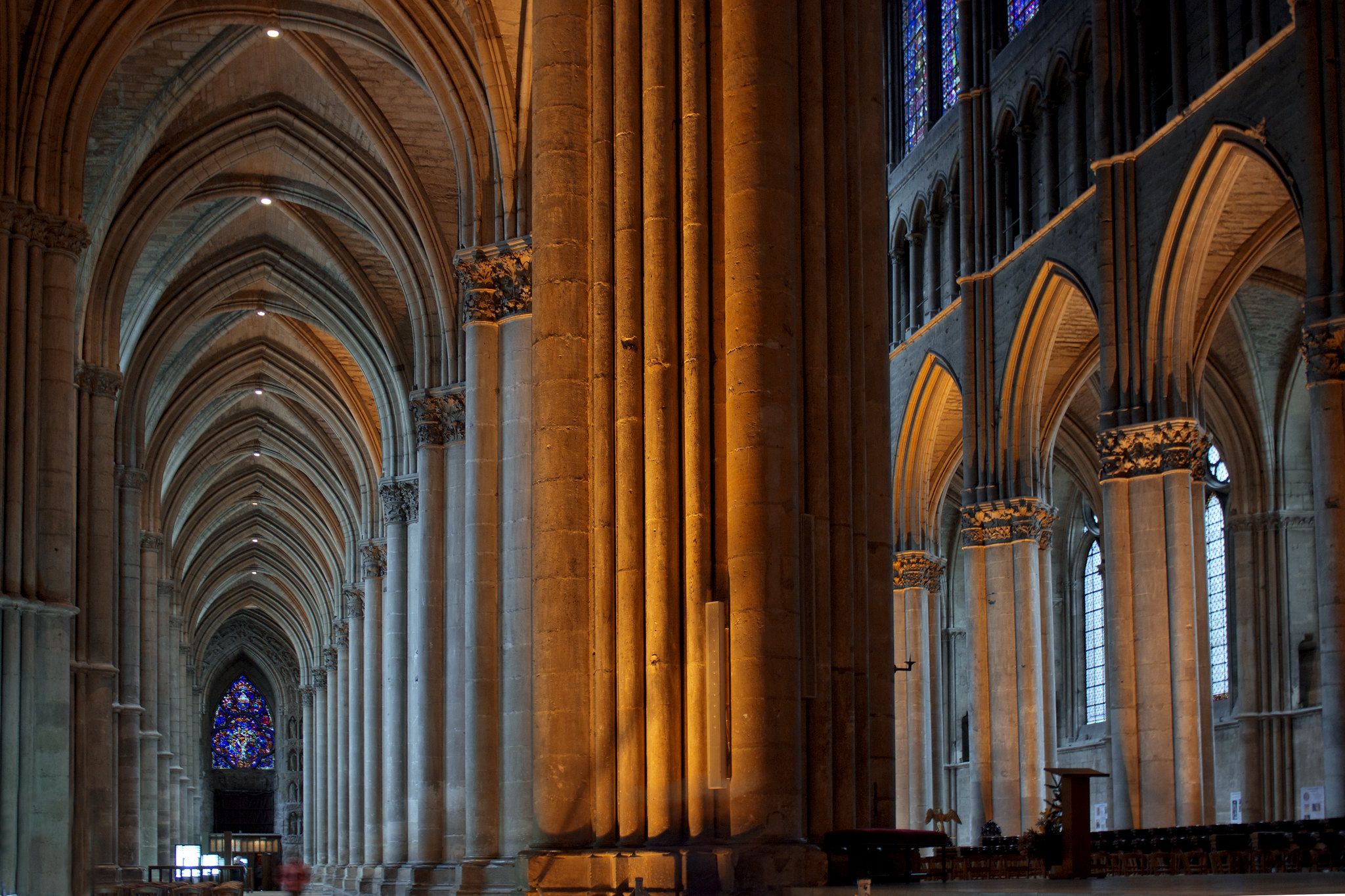
Historic Foundations
When we think of a Gothic cathedral, we tend to think upward: the spires of Cologne, the ascendant arches of Reims or Amiens; or the upward-soaring buttresses of Notre Dame de Paris; or the way one’s eyes are drawn along the high vault of a nave to the transepts or chancel. Perhaps we think of […]
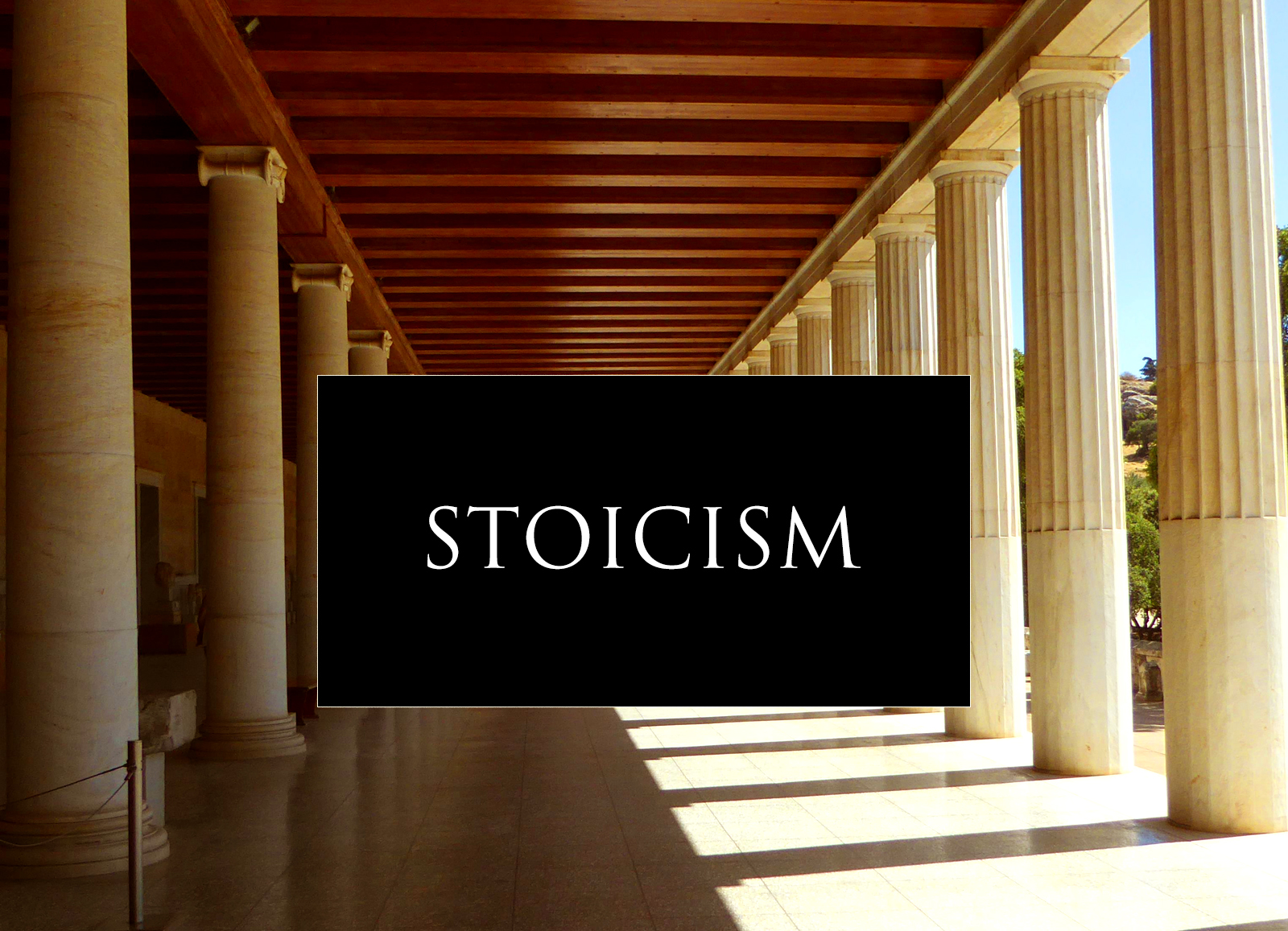
On Stoicism
A Philosophical Happy Hour questioning the essence and reanimation of Stoicism, Ancient and New. “Demand not that events should happen as you wish”, writes the Stoic philosopher Epictetus (c.50–135ad), “but wish them to happen as they do happen, and you will go on well.”[1] Is this profound wisdom—or a bumper-sticker philosophy? Or consider what this […]
Reading Circle: Peirce’s Harvard Lectures on Pragmatism
What is pragmatism—according to the man who coined the term, Charles Sanders Peirce? In 1903, C.S. Peirce (1839–1914) was invited by his friend, William James, to deliver a series of lectures on pragmatism at Harvard University. As the editors of The Essential Peirce, vol.2 write, in these lectures, “Peirce sought to build a case for […]

On Restoring Humanity
A Philosophical Happy Hour continuing our investigation into economics, politics, Catholic Social teaching, and the restoration of the good life for humanity. Last week, our Philosophical Happy Hour asked what Rerum Novarum, the 1891 Encyclical promulgated by Pope Leo XIII—and chief inspiration for the newly-elected Pope Leo XIV’s choice of name—could tell us about the […]
The Future is Technoclassical: Signs of the McLuhan Century (Part Two)
If the difficult and polarizing aphorisms of the media theorist Marshall McLuhan might be appreciated, not as provocative and likely misleading pop cultural soundbites, as they were in the 1960s,1 but rather as foundational insights through which to understand, and act in, the present digital world, how might we begin to formulate the contemporary significance […]

On Rerum Novarum and the Future of Human Society
A Philosophical Happy Hour investigating the Encyclical of Pope Leo XIII, Rerum Novarum, highlighting key passages and inquiring into their relevance today for considering the future of human society. Rerum novarum semel excitata cupidine, Pope Leo XII begins his famed Encyclical of 1891, “The desire of new things once having been aroused”, passes beyond the […]
Rethinking Nature: A Thomistic Approach to Environmental Philosophy
What does it mean to care for creation? In an age dominated by climate rhetoric and ecological anxiety, conversations about the environment often drift into extremes: either sentimental reverence for nature or technocratic management of “resources.” But what if there were another way—one rooted in a deeper understanding of nature, of the human person, and […]

Reimagining Politics: Seminar on the Proposal for a Postliberal Order
What comes after liberalism? In some sense for centuries, and most definitely for the past several decades, Western politics have been shaped by a largely presupposed consensus towards liberalism—an ideology founded upon individual autonomy, procedural neutrality, and technocratic governance. But today, cracks are widening in presumed foundation. Whether in the erosion of public trust, the […]
