
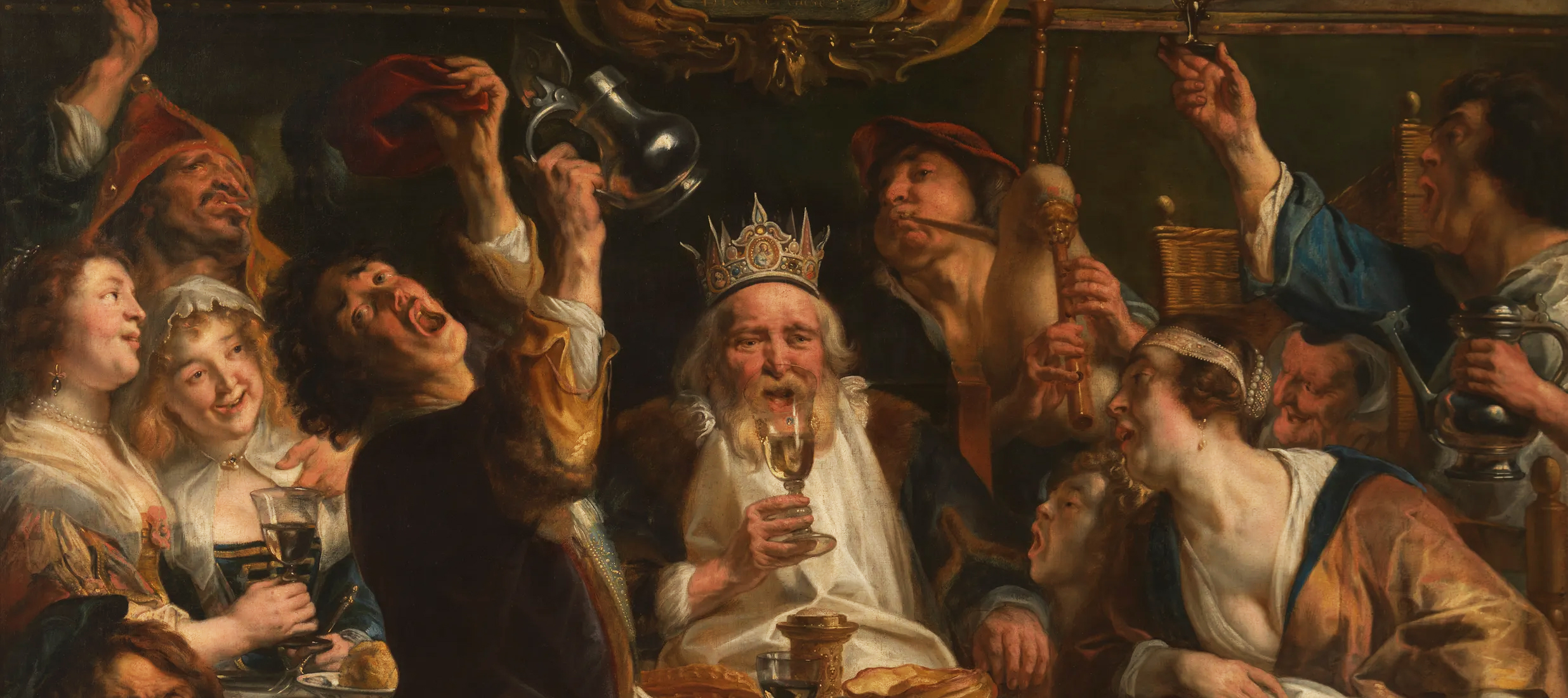
Felicitates de Quodlibet, I.4
A Philosophical Happy Hour on… whatever! Revisiting our Felictates de Quodlibet series, in which we talk about whatever we want, so long as it is interesting, and for as long as we are interested. In the Scholastic university, renowned thinkers would regularly engage in open debate on questions posed by other scholars or students at […]
Felicitates de Quodlibet, I.3
A Philosophical Happy Hour on… whatever! Revisiting our Felictates de Quodlibet series, in which we talk about whatever we want, so long as it is interesting, and for as long as we are interested. In the Scholastic university, renowned thinkers would regularly engage in open debate on questions posed by other scholars or students at […]
Felicitates de Quodlibet, I.2
A Philosophical Happy Hour on… whatever! Continuing our Felictates de Quodlibet series, in which we talk about whatever we want, so long as it is interesting. In the Scholastic university, renowned thinkers would regularly engage in open debate on questions posed by other scholars or students at the institution. Most often, these questions would concern […]
Felicitates de Quodlibet
A Philosophical Happy Hour on… whatever! In the Scholastic university, renowned thinkers would regularly engage in open debate on questions posed by other scholars or students at the institution. Most often, these questions would concern a specific, pre-determined topic. From this we derive works such as Thomas Aquinas’ Quaestiones disputatae de Veritate and Quaestiones disputatae […]
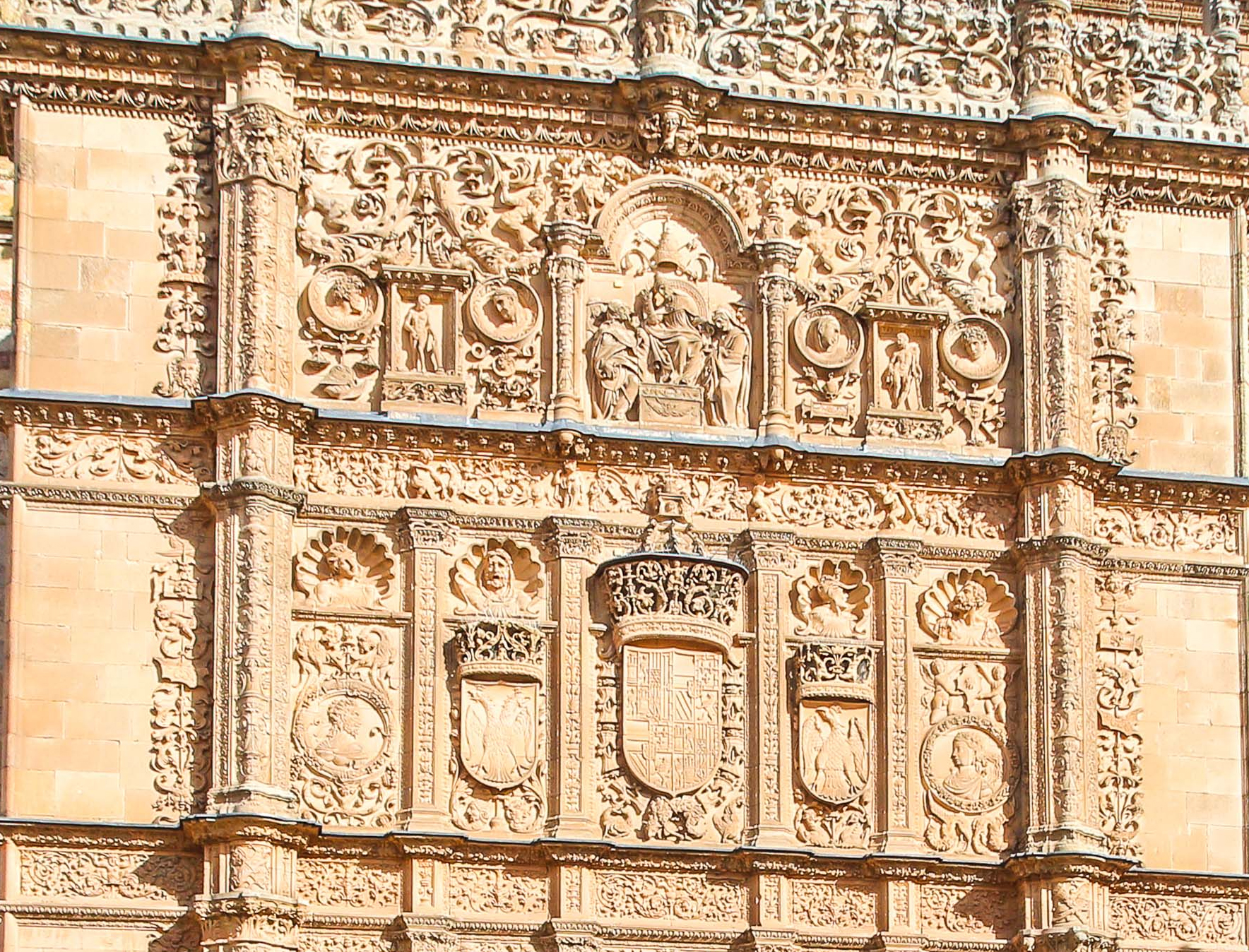
Francisco Suárez – Disputationes Metaphysicae
Disputationes Metaphysicae Francisco Suárez (5 January 1548–1617 September 25) became one of the most prominent figures in the Jesuit order and a leading philosopher and theologian of the late Scholastic period. He joined the Society of Jesus in 1564 and received his education in Salamanca, where he was deeply influenced by the Scholastic tradition, particularly […]

Hervaeus Natalis and Logic
Ho ho ho… Harvey is coming to town? One of the many fascinating contributions semiotics makes to contemporary philosophical discourse is role it sees for signs and sign-relations in the domain of logic. In this interview on Dogs with Torches, we are joined by the Lyceum’s very own Dr. Matthew K. Minerd to discuss the […]
Medieval Semiotics
Though “semiotics” is a word coined only in the late 17th century—and used consistently and meaningfully beginning only in the late 19th—the study of signs and their actions goes back millennia. During those thousands of years, some of the most important contributions were made during the age often called “Medieval” (though it would be better […]

Introduction to Scholastic Latin
Tuis ergo obsequiis, lector, si quis veritatis, non novitatis amator occurreris, haec quaecumque sunt, offerimus tuoque iudicio mancipamus, certi, quod si quid boni repereris, non nostrum esse, facile poteris apprehendere. Vale. John Poinsot, Cursus Philosophicus – “Lectori”, Quarta Pars Philosophiae Naturalis The study of Scholastic Latin—by which specifically we mean the Latin which emerged from […]
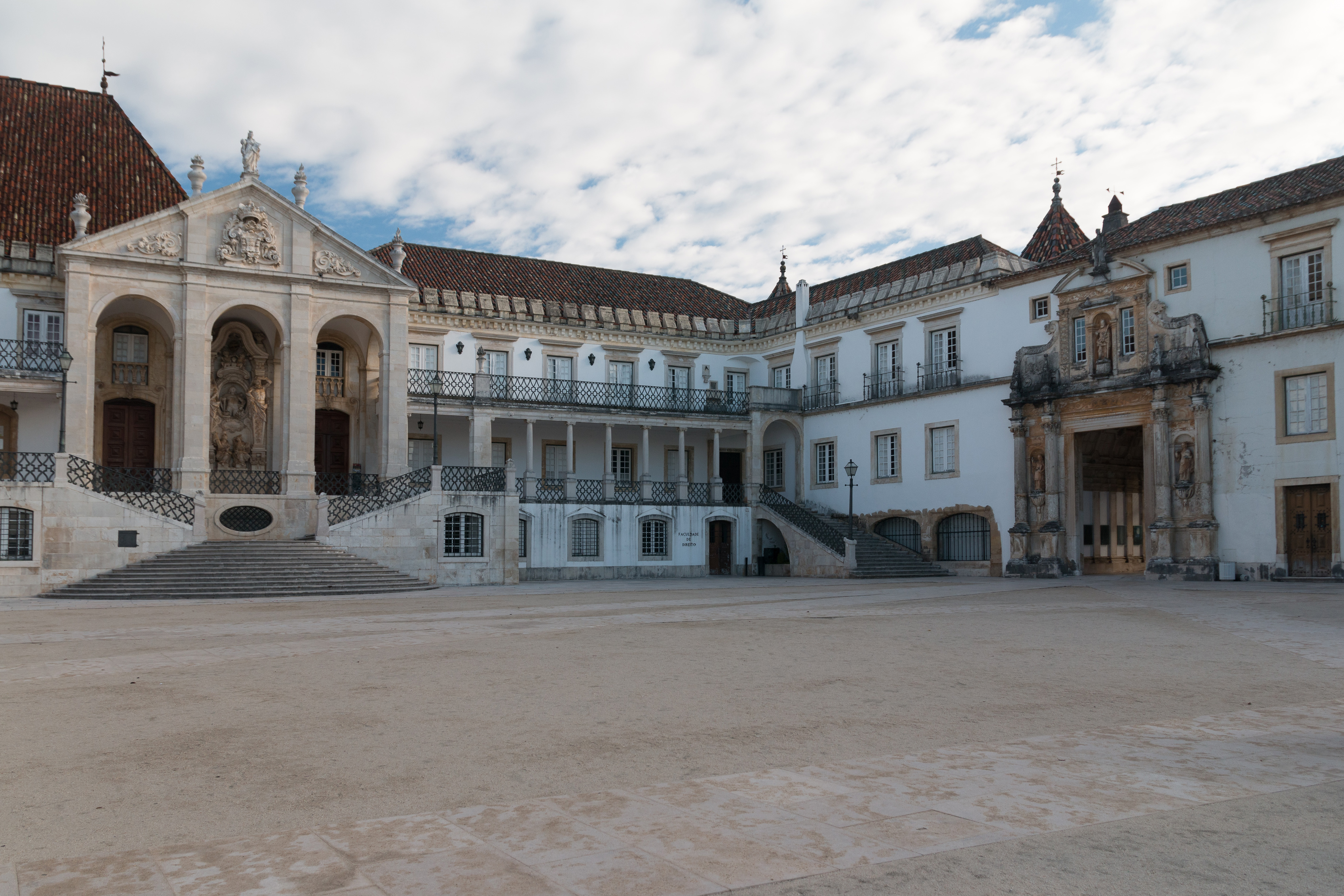
John Poinsot – Cursus Theologicus
Cursus Theologicus The work of John Poinsot, also known as Joannes a Sancto Thoma (though as John Deely noted, his name has often been given in many other variations, across English, Portuguese, Italian, Spanish, French, and Latin), has long been the victim of great neglect. His Cursus Philosophicus was critically-edited and published in the 1930s under the […]
Semiotics: The Tractatus de Signis of John Poinsot
What is a sign? It is a deceptively difficult question—deceptive because we think we know when we have never bothered truly to ask the question. We believe that we see and hear signs everywhere: guiding our use of streets, telling us where to exit, the location of the bathroom, what dangers might lie ahead, and […]
