
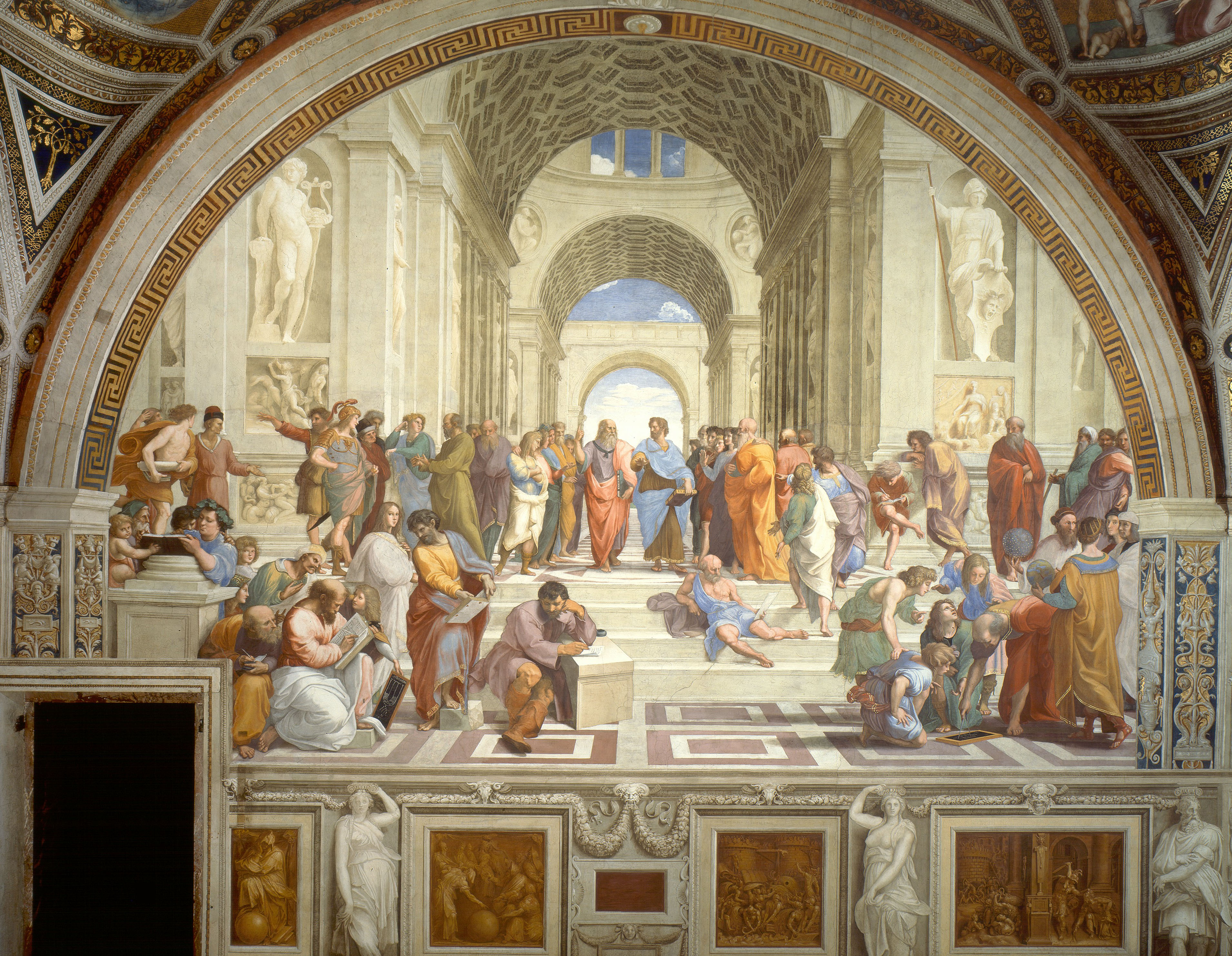
On Progress, Tradition, and Continuity
A philosophical reflection on the tensions between progress and tradition and their resolution through continuity All too often, the notions of progress and tradition alike are swallowed into the ideologies that make of them principles both absolute and opposed to one another. Put otherwise, when progressivism and traditionalism come to prevail, we often lose not […]
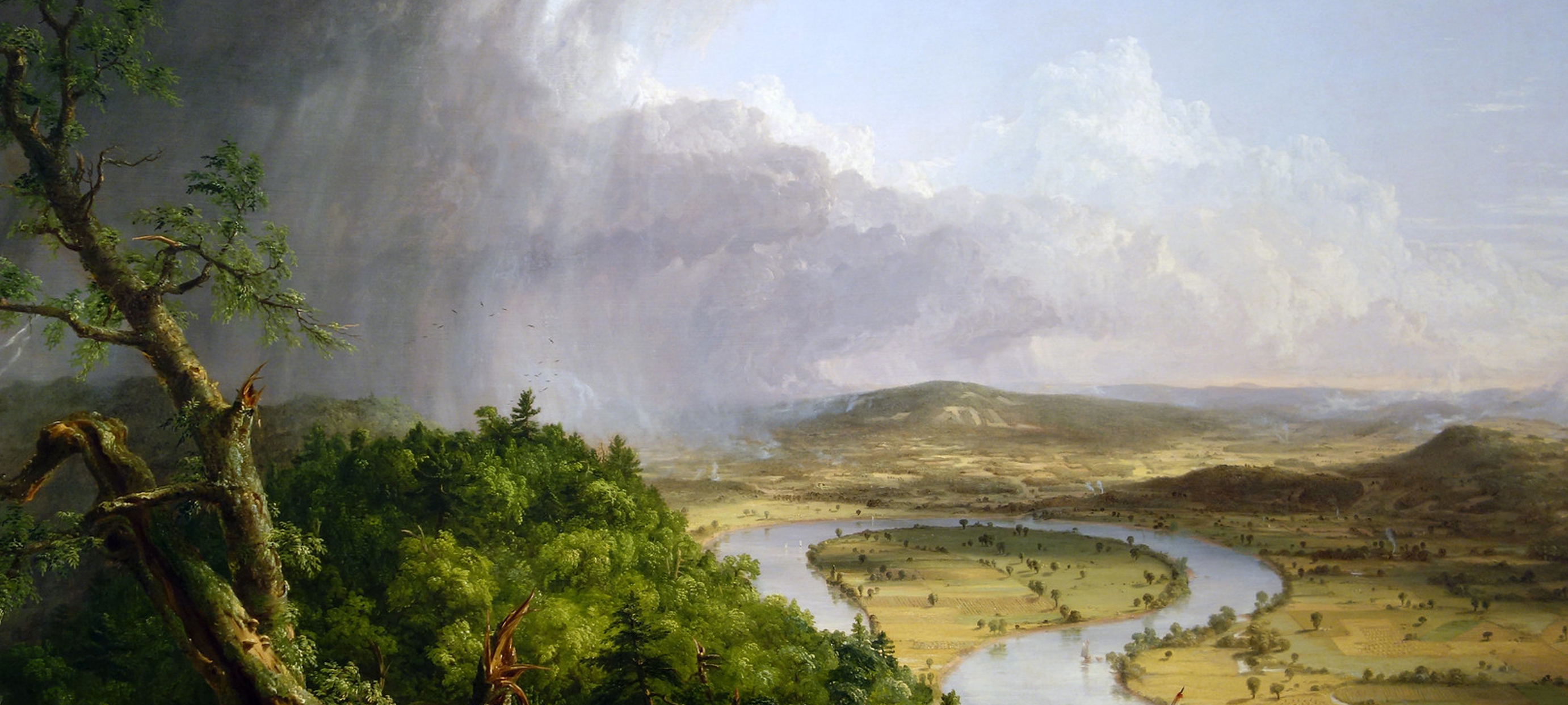
Rethinking Nature: A Thomistic Approach to Environmental Philosophy
What does it mean to care for creation? In an age dominated by climate rhetoric and ecological anxiety, conversations about the environment often drift into extremes: either sentimental reverence for nature or technocratic management of “resources.” But what if there were another way—one rooted in a deeper understanding of nature, of the human person, and […]

Reimagining Politics: Seminar on the Proposal for a Postliberal Order
What comes after liberalism? In some sense for centuries, and most definitely for the past several decades, Western politics have been shaped by a largely presupposed consensus towards liberalism—an ideology founded upon individual autonomy, procedural neutrality, and technocratic governance. But today, cracks are widening in presumed foundation. Whether in the erosion of public trust, the […]

Requiescat in Pace: Peter Redpath
Dr. Peter Redpath, a friend, adviser for the Lyceum Institute, and the external reader on my dissertation passed away on Palm Sunday. He was a champion of real education and someone who—in ways both direct and indirect—had an important impact on how I approach the intellectual life. He was faithful to the truth—but to his […]
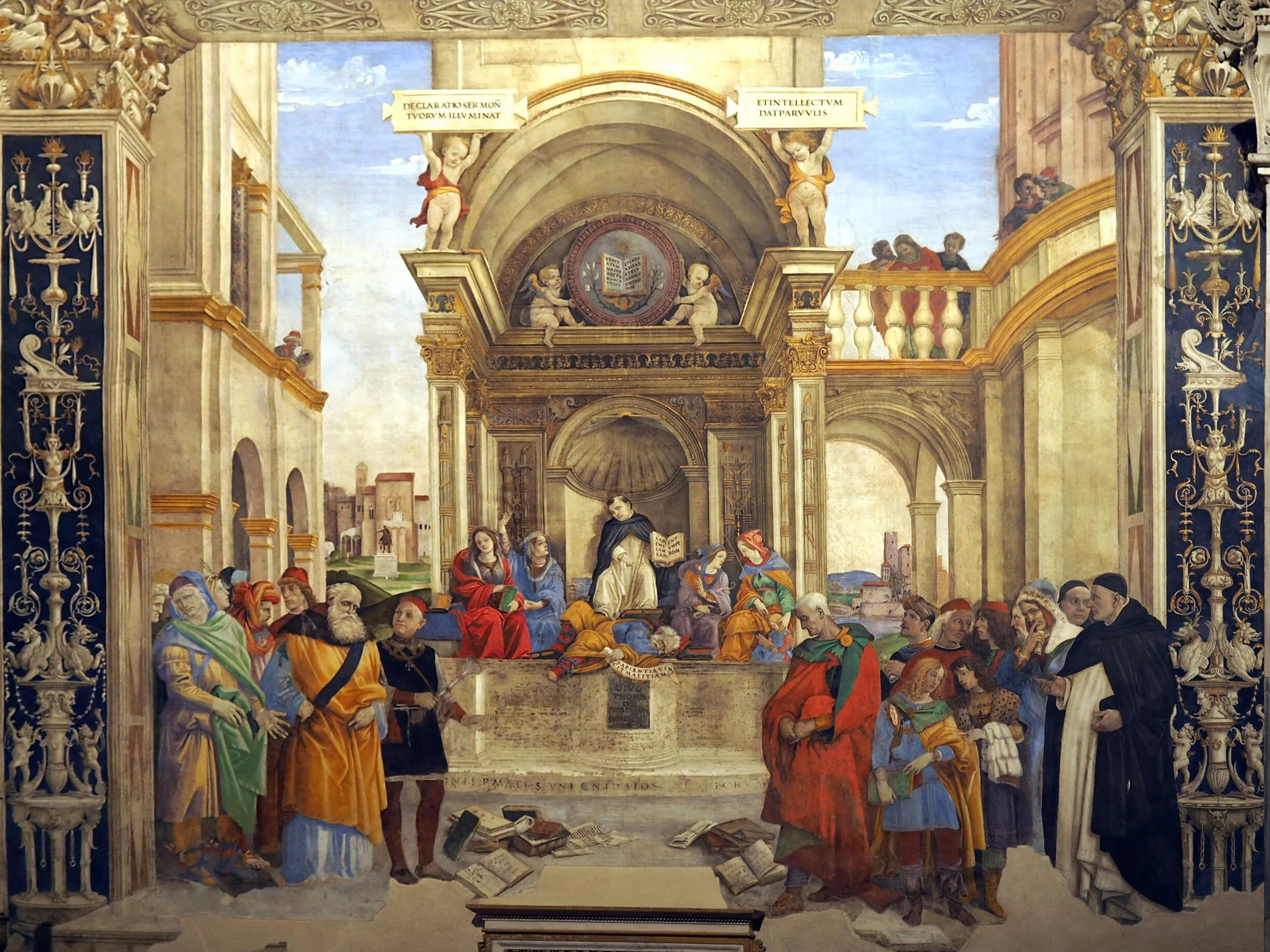
On the Relation of Reason to Faith
In this Philosophical Happy Hour we will turn our attention to the ever-persistent question of the relation between faith and reason. How should we understand the relationship between faith and reason? We will explore this question through the sharp and illuminating lens of St. Thomas Aquinas in his commentary on Boethius’ De Trinitate, specifically question […]

Spring Seminars [2025 Q2]
Announcing enrollment for our two Spring Seminars: Culture: More than Aesthetics and Thomistic Psychology: The Life of Thought. Culture: More than Aesthetics Thinking of art, we tend to think of the beautiful—and rightly so, for this, in some way, is to what all art aspires: if not directly, then indirectly, inasmuch as even the simple […]

On Contemporary Atheism
A Philosophical Happy Hour centered around a reading of Jacques Maritain’s essay, “The Meaning of Contemporary Atheism”. Included in a collection of essays under the title, The Range of Reason, we find Jacques Maritain’s, “The Meaning of Contemporary Atheism”. We will gather this Wednesday (2/26/25) to discuss this essay’s primary intention—explaining what it means and […]
On Habits of Speaking Well
A Philosophical Happy Hour on the use of language to convey thinking: from daily conversation, to professional presentation, let us ask after the habits of speaking well. How does one learn to speak well? Many courses are offered with proposed solutions—from the WikiHow to MasterClasses and entire college majors. Yet it seems, upon brief reflection, […]

On Leadership
A Philosophical Happy Hour on the nature of a leader, the act of leading, and the concept of leadership in society. Entering into this Happy Hour post, I saw two paths before me: the first and more immediately attractive was the literary road—to think of Hector and Achilles, Odysseus, Aeneas, Virgil in Dante or Satan […]
Why the Study of Signs
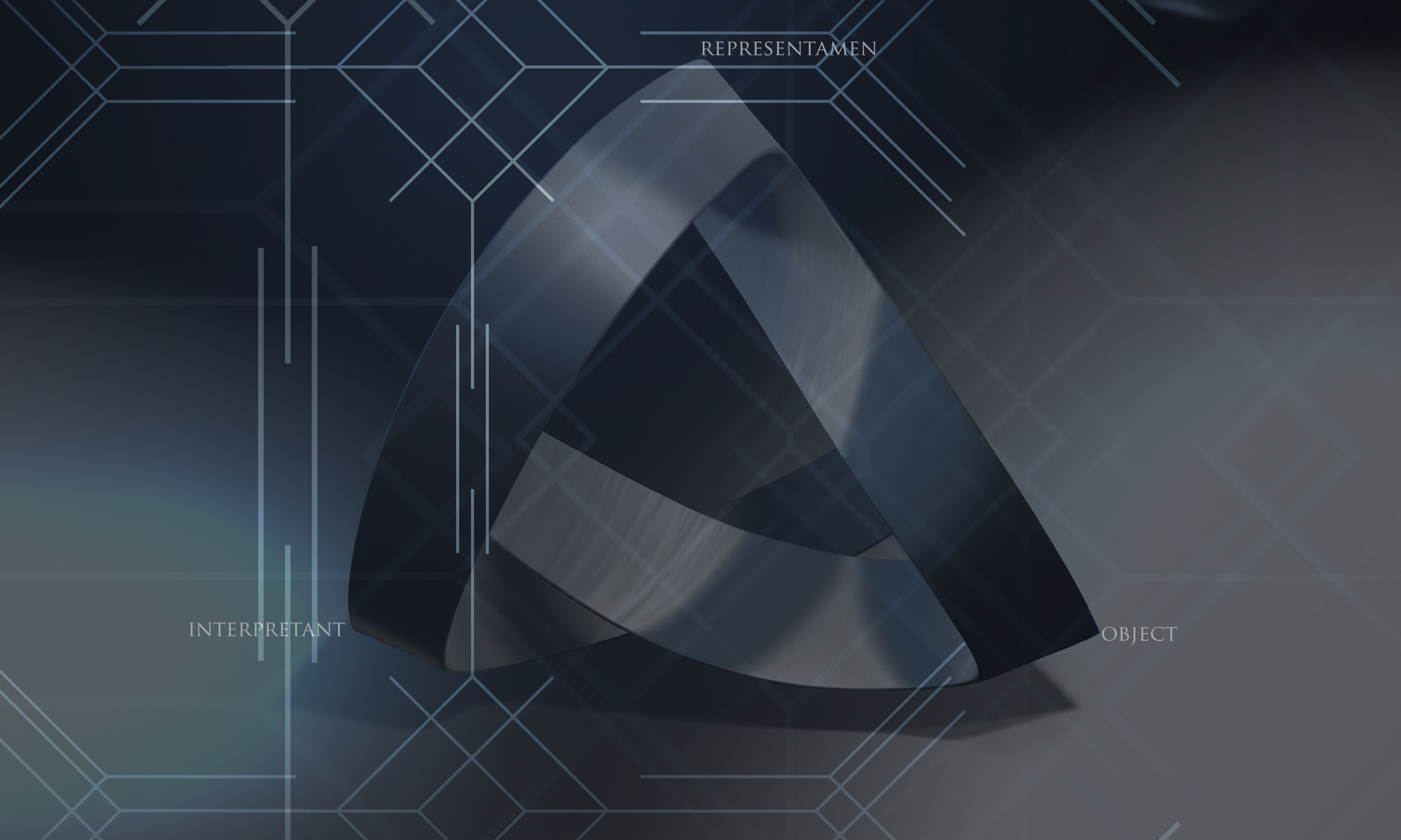
A Philosophical Happy Hour on why the study of signs constitutes the recovery of genuine philosophy and may result in the infusion of philosophical habits into culture. Few words common in modern “intellectual” environments sound as sophisticated or are used as carelessly as “semiotics”. Given that it is often associated with French structuralism or deconstructionism, […]
