

Lecture: The Analogous Use of Words
Last year, the Lyceum Instituted hosted Dr. Domenic D’Ettore (Dean, Division of Liberal Studies and professor of Philosophy with the Center for Thomistic Studies at the University of St. Thomas, TX), a careful and insight scholar of the Latin Thomist tradition and an expert on analogy. Drawing on his great expertise, Dr. D’Ettore presents for […]

Spring Seminars [2025 Q2]
Announcing enrollment for our two Spring Seminars: Culture: More than Aesthetics and Thomistic Psychology: The Life of Thought. Culture: More than Aesthetics Thinking of art, we tend to think of the beautiful—and rightly so, for this, in some way, is to what all art aspires: if not directly, then indirectly, inasmuch as even the simple […]
Complete Lyceum Catalog – 2025
We have completed our 2025 catalog and preliminary schedule for all seminars and courses! While the unpredictability of life means these offerings are subject to change, we nevertheless have a very exciting line-up to offer: Seminar Catalog winter (q1 1/11–3/8) » Ethics: The Good Life [Registration open!] » Semiotics: Thought and Contributions of John Deely […]
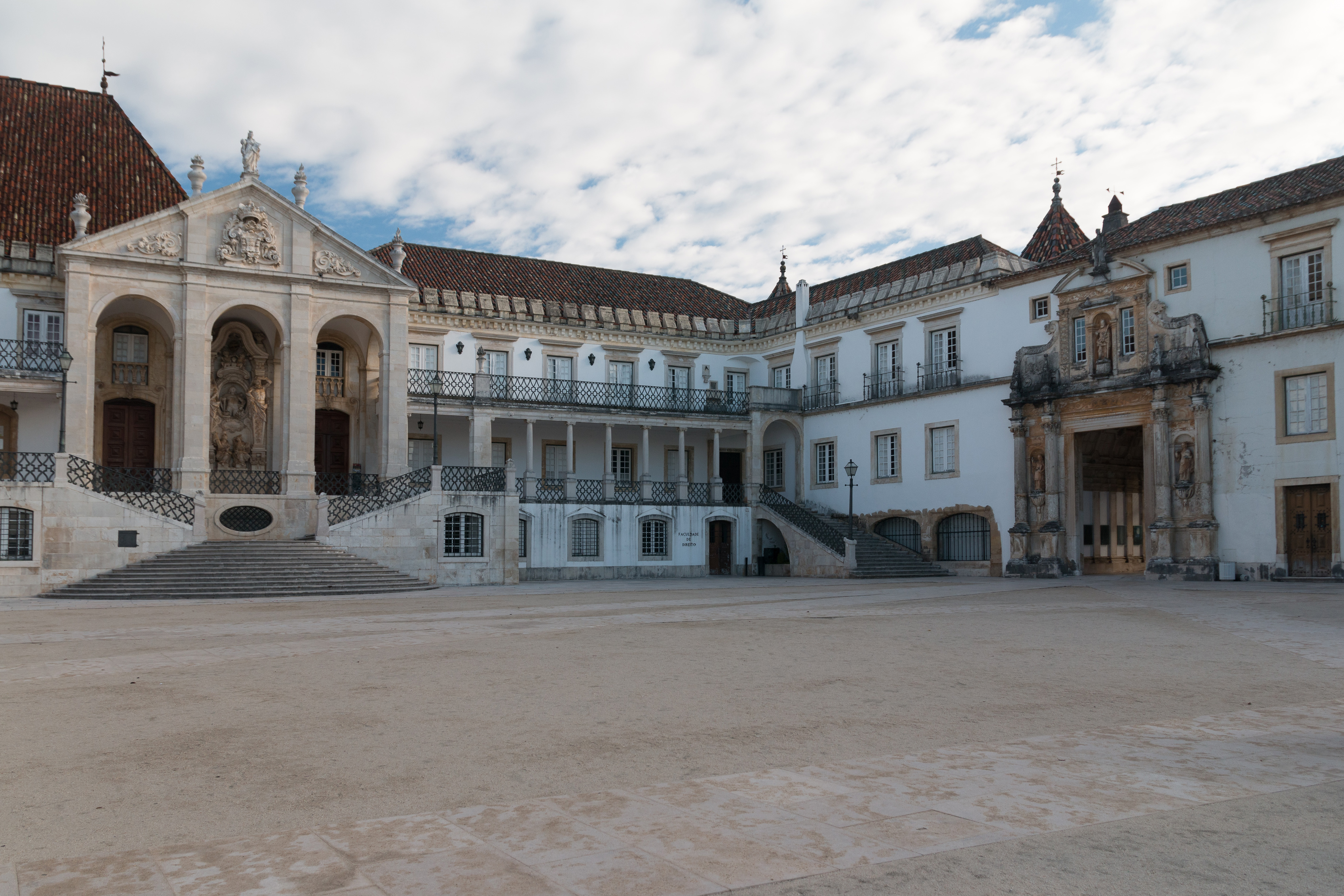
Semiotics: Thought and Contributions of John Deely [Winter 2025]
Description To understand and affect this maturation into postmodernity, we will turn our attention in this seminar to the major contributions to semiotics given by Deely: the proto-semiotic history, an expanded doctrine of causality, the retrieved and clarified notion of relation, the concept of physiosemiosis, the continuity of culture and nature, the notion of purely objective reality, and the real interdisciplinarity which semiotics fosters. This is […]

The Ontological Status of Light and Color in St. Thomas Aquinas
Lyceum Institute Faculty Fellow John Boyer gave a lecture for the Thomistic Institute on 18 July 2024 of this year concerning the “Ontological Status of Light and Color in St. Thomas Aquinas”. Prof. Boyer’s discussion focuses on the role of light in the operations of vision. While many might discard the physical theories of antiquity […]

Interview: On Being as First Known
St. Thomas Aquinas presents in the corpus of his work (at, e.g., De veritate q.1, a.1, Summa Theologiae Ia-IIae, q.94, a.2, and In Metaphysicorum, lib.4, lec.3, n.605) the claim that what the intellect first conceives is being and that the intellect further resolves all conceptions into being. Illud autem quod primo intellectus concipit quasi notissimum, […]
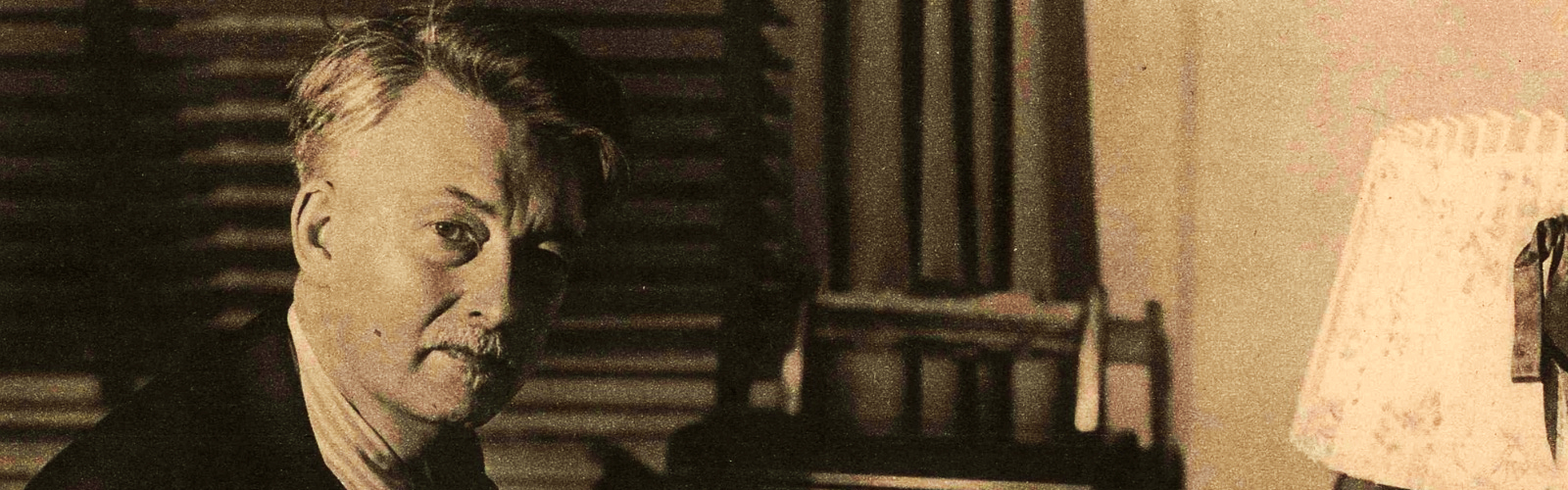
Maritain Musings – Podcast on Signs and Symbols
Our friends at the American Maritain Association have recently launched a podcast series, “Maritain Musings”, in which Lyceum Faculty Fellow Dr. Matthew K. Minerd is joined by guests to discuss different works of Jacques Maritain. For the fourth episode, the Lyceum’s Executive Director, Dr. Brian Kemple, joined Matthew to discuss Maritain’s essay, “Sign and Symbol”. […]
Seminar: Maritain’s Hope for an “Existential Epistemology” [Fall 2024]
Description Details All Lyceum Institute seminars include weekly readings, lectures, and live discussion sessions. The discussion sessions are recorded. This seminar includes focused readings of Maritain’s work. Participants are required to purchase Maritain’s Degrees of Knowledge and Untrammeled Approaches. Priced from $60 per person. Discussion sessions occur on Saturdays at 10:00am–11:00am ET (see world times […]

On Paradox
A Philosophical Happy Hour on the role of paradox in carrying out investigations of nature, humanity, and being. “A paradox”, writes the Thomist philosopher Frederick D. Wilhelmsen, “is the tension existing between two apparently opposed propositions which cross one another and thus find themselves at peace.”[1] Wilhelmsen contrasts the paradoxical with the dialectical—understood in the […]
The Analogous Use of Words
Continuing our Colloquium series for the year 2024, we are delighted to host Dr. Domenic D’Ettore (Dean, Division of Liberal Studies and professor of Philosophy with the Center for Thomistic Studies at the University of St. Thomas, TX), a careful and insight scholar of the Latin Thomist tradition and an expert on analogy. Drawing on […]
