
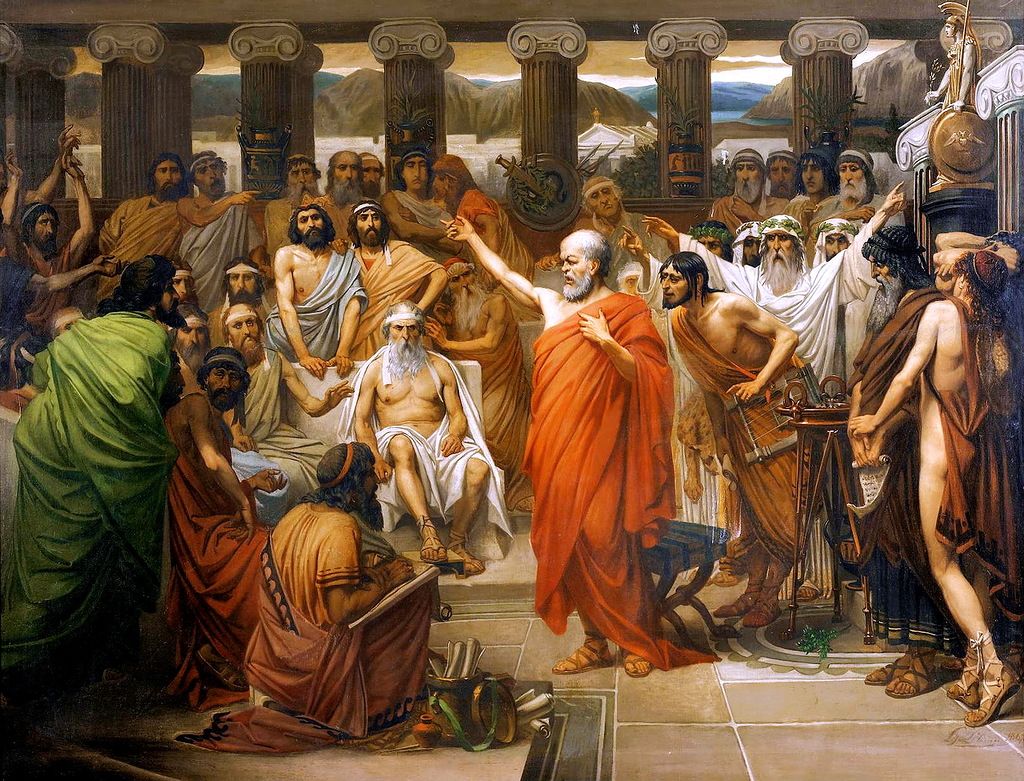
Greek: Plato’s Apology [Winter 2026]
Announcement of our Winter 2026 Greek Course, reading Plato’s Apology—can we discover the depths of Plato’s thinking in the original language? Description Details This course includes eight weekly readings, lectures, and live class sessions. The class sessions are recorded but must be attended. All required texts will be provided in PDF format. Public pricing from […]

On Gratitude and Debts
A Philosophical Happy Hour on gratitude and the repayment of gifts—that is, the satisfaction of debts for the gratuitously-given—through the insight of St. Thomas Aquinas. The virtue of gratitude, St. Thomas Aquinas tells us, “always inclines, insofar as possible, to pay back something greater” than one has received. In a world of diminished personal bonds, […]

Classical Liberalism’s Widening Gyres
A polemic on why the lukewarm “center” cannot hold. There is an episode of the sitcom Parks and Recreation featuring a cult that named themselves “the Reasonabilists”.[1] The cult worships “Zorp, the giant lizard god who will destroy the earth with his cleansing fire of judgment.” When asked why the cultists call themselves “the Reasonabilists”, […]
Digital Technology and the Malformation of the Human Soul
Dr. Brian Kemple of the Lyceum Institute joins Anthony Alberino for a discussion on digital technology and its relation to the human soul. Together they reflect philosophically on: This is the third installment in Dr. Alberino’s “Dangers of the Digital Age” series, which can be found here.
Building Habits of True Learning
In this conversation, Dr. Jacob Joseph Andrews discusses his journey into the intellectual life, emphasizing the importance of personal development, moral formation, and the role of classical education. He highlights the significance of language study, particularly Latin, in understanding culture and fostering intellectual habits. Andrews also reflects on the value of specialized study and the […]
On Human Uselessness
A Philosophical Happy Hour on Jacques Ellul’s “Meditation on Inutility”, challenging us to think about the uselessness of human action. For this week’s Philosophical Happy Hour, we will take up a specific short text to read and discuss: the postscript to Jacques Ellul’s Politics of God and Politics of Man, titled “a meditation on inutility”. […]
Maritain Musings
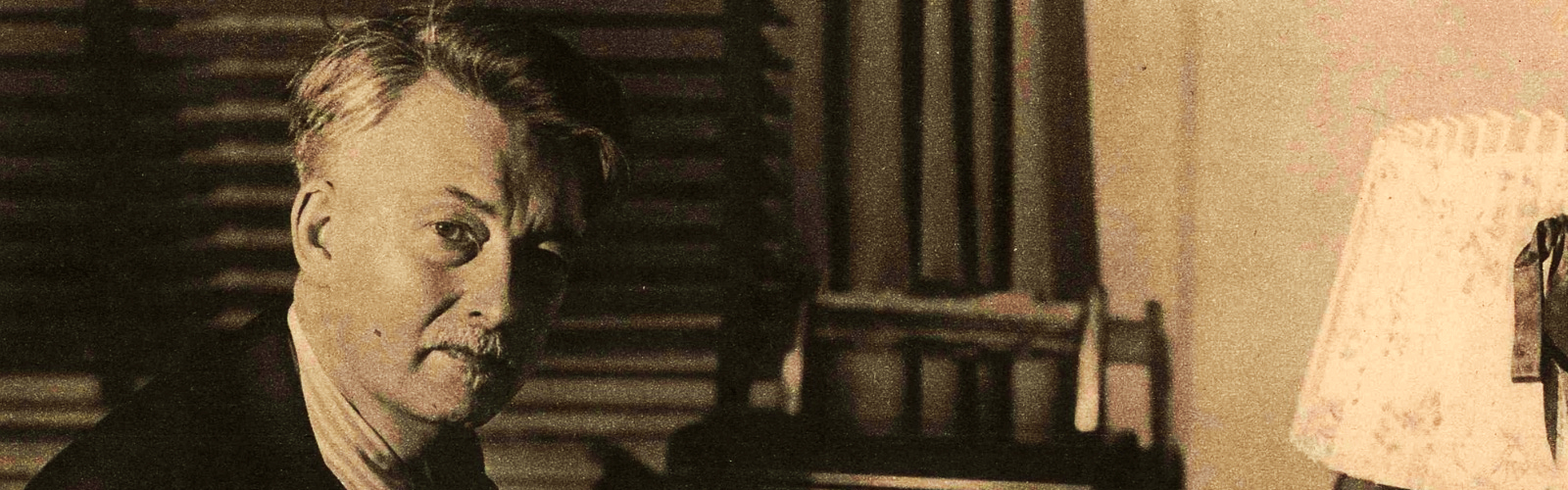
I would like to draw attention to two episodes of the American Maritain Association’s podcast, Maritain Musings, hosted by our own Dr. Matthew Minerd. The first features friend of the Lyceum Institute, Dr. Jim Jacobs, Director of Philosophy Programs at Notre Dame Seminary in New Orleans, Louisiana. Together with Dr. Minerd, Dr. Jacobs discusses the […]
Signs of Life: Music, Literature, Science, and Philosophy
Listen to Dr. Kirk Kanzelberger as he relates his intellectual journey through life—the continuous thread of learning—from young tragedy and early literacy, through music, moral formation through the literature of Tolkien, work in science, technology, semiotics, philosophy, and more. An enlightening and moving conversation that sheds great light on what it means to pursue knowledge […]
On Making Distinctions
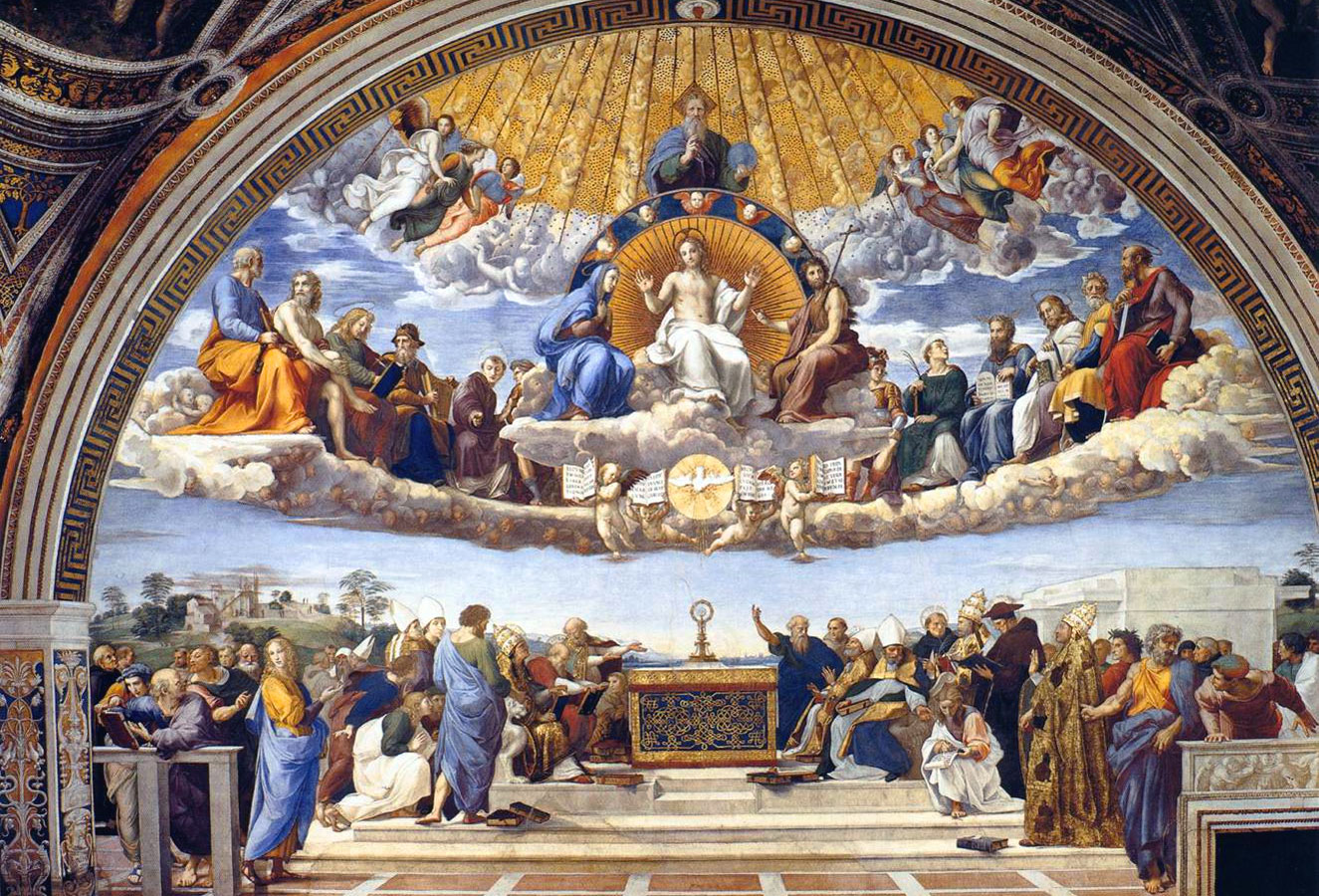
A Philosophical Happy Hour on distinctions, the doctrine of their kinds, and the importance making them correctly. The failure to make good distinctions characterizes the stupidity of our age. Observe the social networks and see how few distinctions are proposed, how unquestioning the categories, how obstinate every adherent to his or her ideology! How many […]
Understanding our Environments
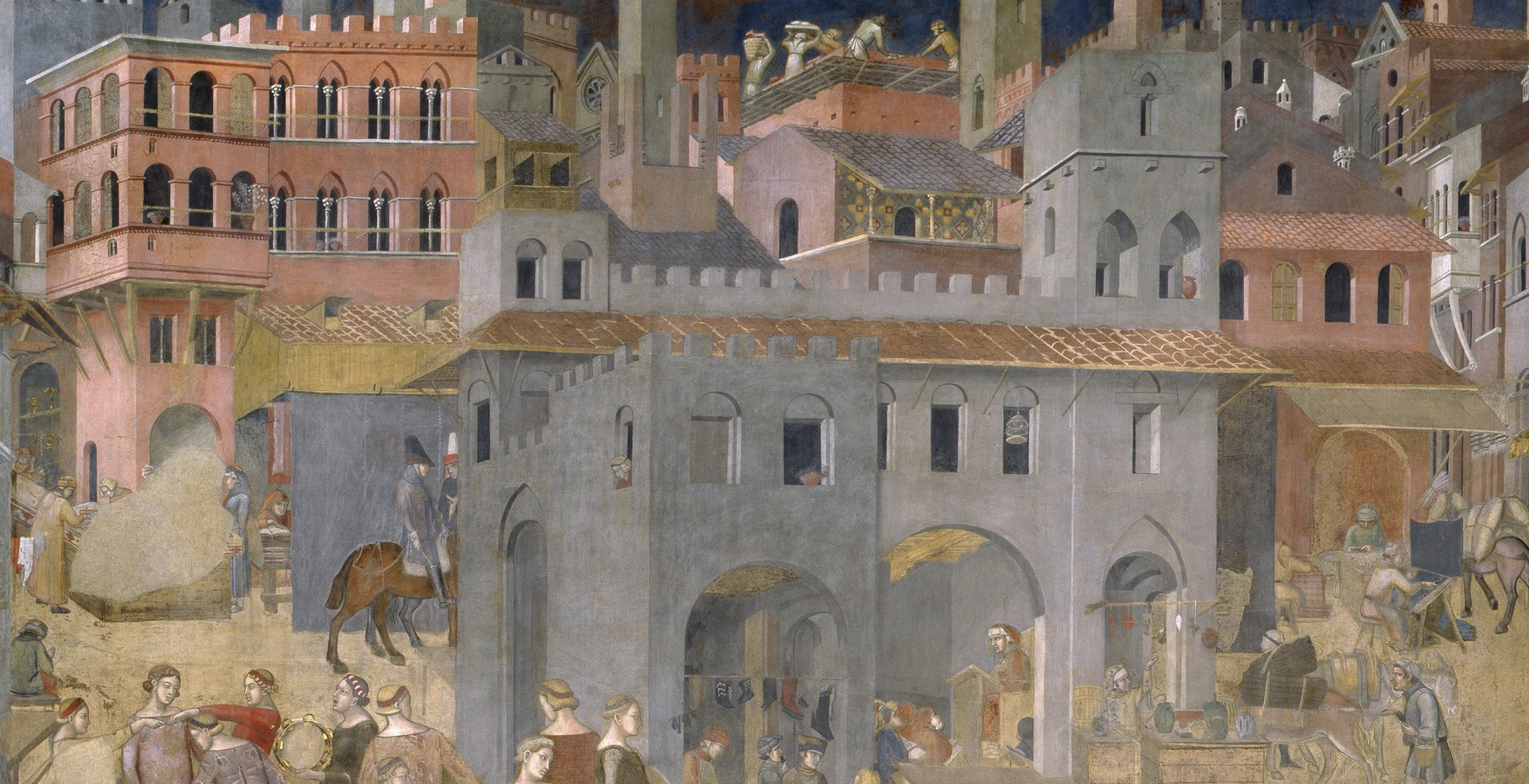
In this conversation, Adam Pugen explores how new technologies amplify aspects of the human psyche, particularly focusing on the differences between auditory and visual cultures. He discusses how these sensory modalities shape our experiences and perceptions in distinct ways—and the need for media literacy, the changes between television and digital, the thinking of Marshall McLuhan, […]
