


Lecture: Jefferson, Natural Rights, and the Sources of the Declaration of Independence
In this Lyceum Institute Colloquium, John Pinheiro (Acton Institute) examines Thomas Jefferson’s understanding of natural rights and argues that the Declaration of Independence is best understood within the organic English constitutional tradition of common law, rather than primarily through a Lockean framework. The lecture explores the relationship between natural rights language and inherited English liberties, […]

Classical Liberalism’s Widening Gyres
A polemic on why the lukewarm “center” cannot hold. There is an episode of the sitcom Parks and Recreation featuring a cult that named themselves “the Reasonabilists”.[1] The cult worships “Zorp, the giant lizard god who will destroy the earth with his cleansing fire of judgment.” When asked why the cultists call themselves “the Reasonabilists”, […]
Maritain Musings
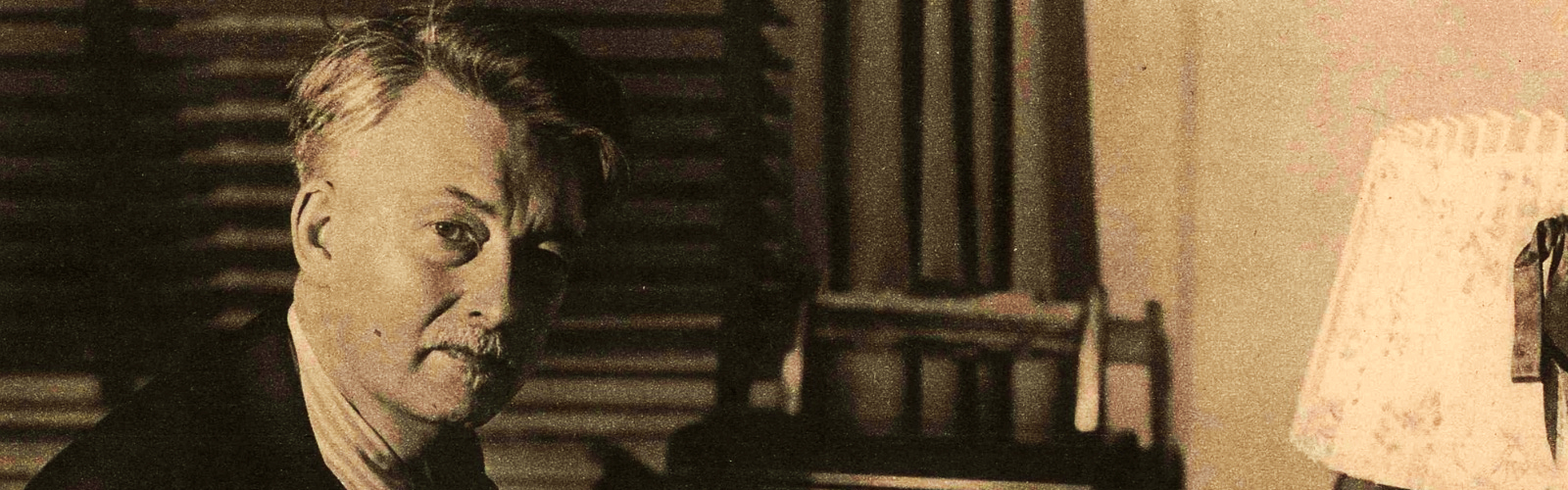
I would like to draw attention to two episodes of the American Maritain Association’s podcast, Maritain Musings, hosted by our own Dr. Matthew Minerd. The first features friend of the Lyceum Institute, Dr. Jim Jacobs, Director of Philosophy Programs at Notre Dame Seminary in New Orleans, Louisiana. Together with Dr. Minerd, Dr. Jacobs discusses the […]

On Morality, Law, and the Exercise of Choice
A Philosophical Happy Hour on the relationship between morality and law, and what falls to our exercise of choice. St. Thomas Aquinas defines law as an ordinance of reason ordered to the common good, promulgated by one who holds responsibility for the community. This broad but precise definition allows us to distinguish kinds of law […]
Who is My Enemy?

A Philosophical Happy Hour inquiring into the nature of enmity, the distinction of public and personal enemies, and the morally rightful manner of holding oneself in opposition to others. We hear a lot these days about friends and enemies, and—it seems—not unreasonably. The world seems awash in hostility. But what is it, in fact, that […]

Humility: Wellspring of Virtue, or Cowardice in Disguise?
A Philosophical Happy Hour on the nature of humility and its status in contemporary society. What is Humility? For reasons personal, professional, and perhaps preposterous, I’m attempting to learn French. However, I must confess: I am having a rough go of it. Though I’ve a bit of a knack for picking up languages, I nonetheless […]

On Limits to the Freedom of Expression
A Philosophical Happy Hour on an issue of perennial contention in liberal democracies everywhere: where do we draw the lines around the freedom of expression? In his dissent from the Supreme Court’s 7-2 ruling in Abrams et al. v. United States, Oliver Wendell Holmes Jr. wrote this since-famous line: “the ultimate good desired is better […]
Rethinking Nature: A Thomistic Approach to Environmental Philosophy
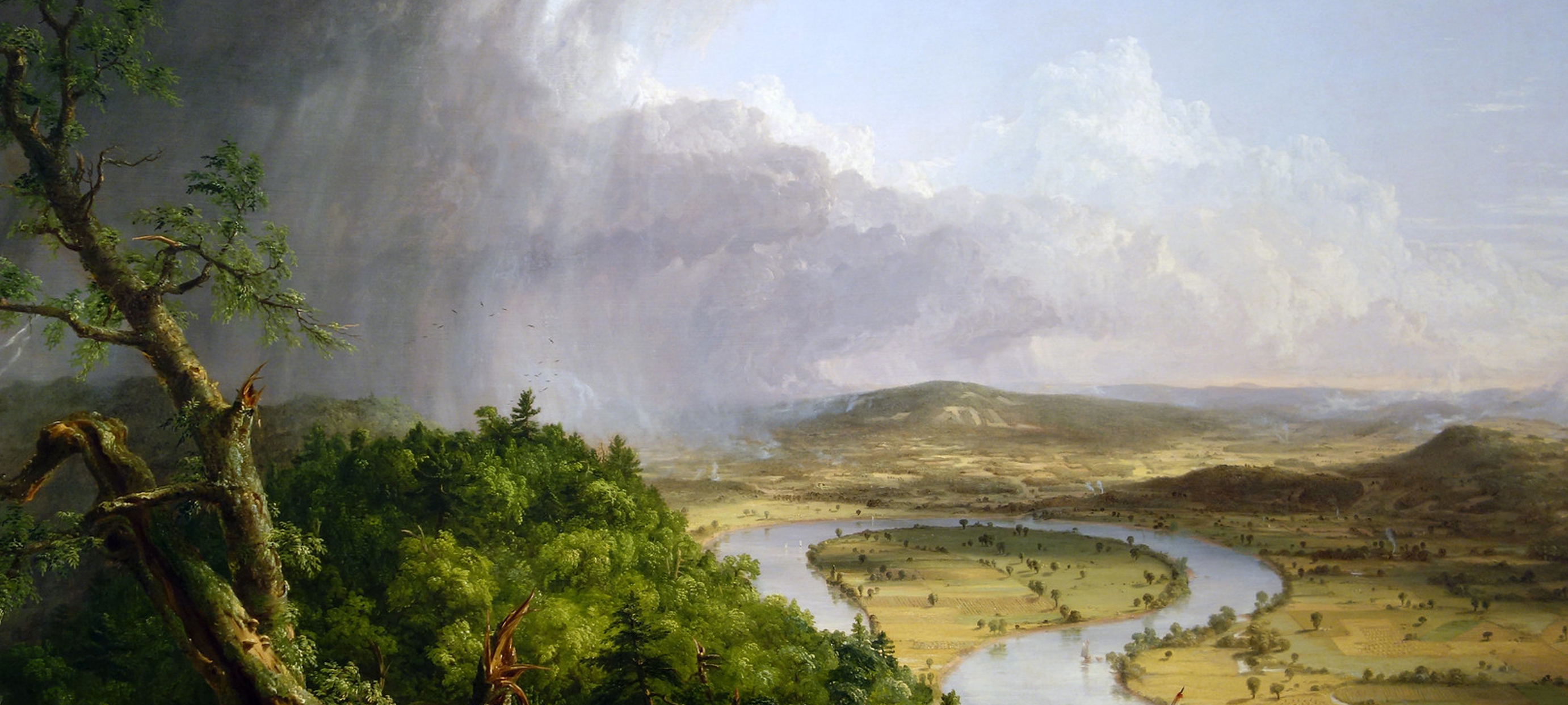
What does it mean to care for creation? In an age dominated by climate rhetoric and ecological anxiety, conversations about the environment often drift into extremes: either sentimental reverence for nature or technocratic management of “resources.” But what if there were another way—one rooted in a deeper understanding of nature, of the human person, and […]
