
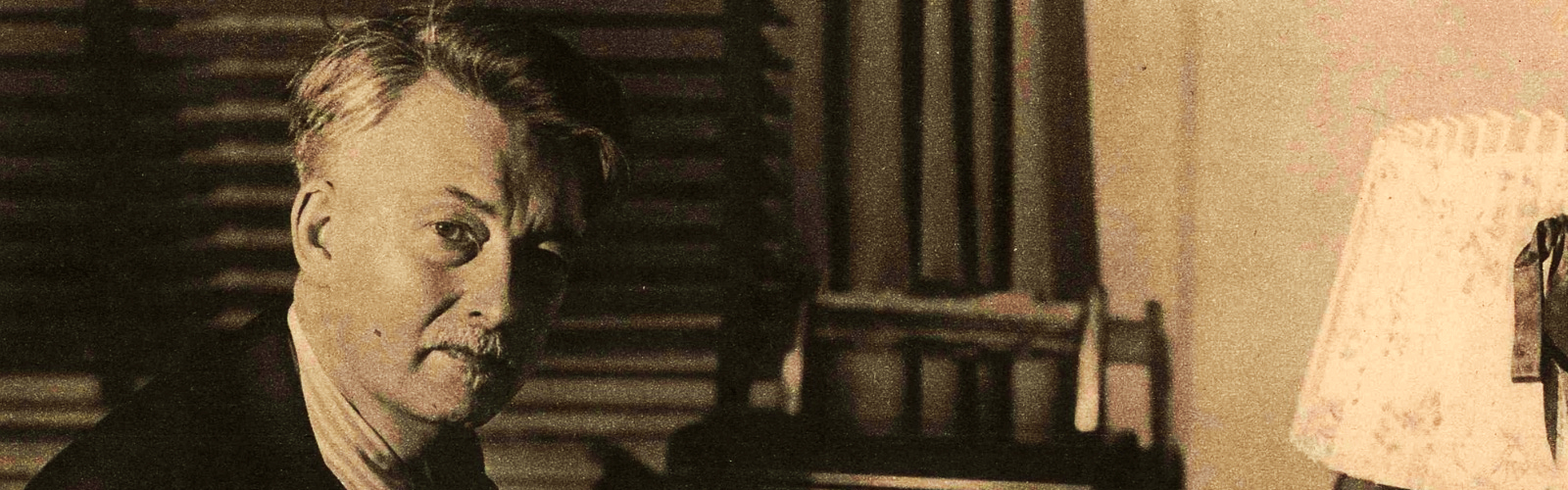
Maritain Musings
I would like to draw attention to two episodes of the American Maritain Association’s podcast, Maritain Musings, hosted by our own Dr. Matthew Minerd. The first features friend of the Lyceum Institute, Dr. Jim Jacobs, Director of Philosophy Programs at Notre Dame Seminary in New Orleans, Louisiana. Together with Dr. Minerd, Dr. Jacobs discusses the […]

Signs of Life: Music, Literature, Science, and Philosophy
Listen to Dr. Kirk Kanzelberger as he relates his intellectual journey through life—the continuous thread of learning—from young tragedy and early literacy, through music, moral formation through the literature of Tolkien, work in science, technology, semiotics, philosophy, and more. An enlightening and moving conversation that sheds great light on what it means to pursue knowledge […]
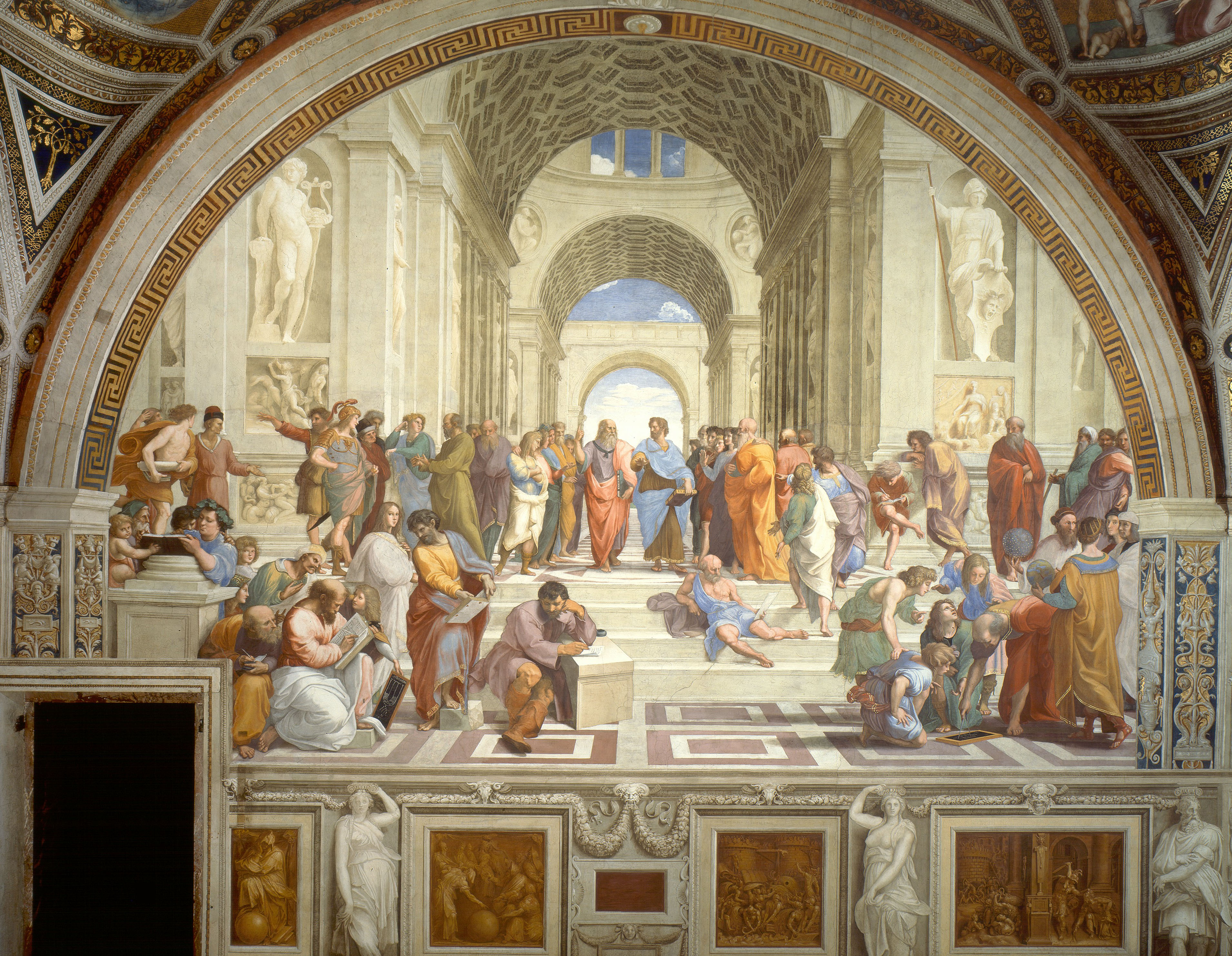
Dr. Daniel Wagner on Plato’s Meno
Our Faculty Fellow and Professor, Director of Catholic Studies, and Chair of Philosophy as Aquinas College in Grand Rapids, MI, Dr. Daniel Wagner, joined Dcn. Harrison Garlick of Ascend: The Great Books Podcast to discuss one of his favorite Platonic dialogues, The Meno. You can find (and follow) Ascend on X.com here, and listen to […]
Reintegration of the Human Soul
The Lyceum Institute’s Humanitas Technica project returns to the American Catholic Philosophical Association’s annual conference. Below is the abstract around which our discussion panel, “Reintegration of the Human Soul in the Digital Age”, will be ordered. We plan to record the panel. We are subject to a technologically-mediated fragmentation of our very souls. This fracturing […]
Beyond the University
Meaningful change never happens overnight. It takes years to establish and generations to perfect. The Lyceum Institute aims to build a new future for education—knowing it will not come quickly or easily, but that from a few minds truly dedicated to the cause, we can bring new life to learning beyond the university. The renewal […]

Catharsis and the Intellectual Life
In this conversation, Brian Kemple is joined by Daniel Wagner, a Faculty Fellow of the Lyceum Institute, in exploring the motivations behind intellectual pursuits, the significance of classical education, and the contrast between modern and classical educational philosophies. 00:00 – Introduction to Intellectual Pursuits 03:01 – Catharsis, Healing, and Philosophy 06:55 – Understanding Classical Education […]

Lecutre: Self-Sufficiency of Happiness in the Nicomachean Ethics
In 2024, the Lyceum Institute this thoughtful interpretation of a perennial difficulty in interpreting Aristotle’s Nicomachean Ethics, presented by Joseph M. Cherny, PhD Candidate at the Center for Thomistic Studies at the University of St. Thomas in Houston, TX. Mr. Cherny asks: how is happiness self-sufficient? Does it find fulfillment in one good, or a […]

On Angelic Beings
A Philosophical Happy Hour on why we should care about angelic beings and seek understanding of their existence. Nearly every culture in human history has voiced belief in supernatural beings—forces beyond our reckoning that possess powers to shape and change the world. Indeed, any honest inquiry into the world, the cosmos, shows us wonders beyond […]

On What Could Be
A Philosophical Happy Hour on the distinction of potentiality and possibility in both being and knowing. When we speak about what “could be”, we often unthinkingly use the words “possible” and “potential” as though they were interchangeable. Yet beneath this ordinary use lies a subtle but nevertheless important distinction: a distinction that reaches into the […]

Lecture: The Analogous Use of Words
Last year, the Lyceum Instituted hosted Dr. Domenic D’Ettore (Dean, Division of Liberal Studies and professor of Philosophy with the Center for Thomistic Studies at the University of St. Thomas, TX), a careful and insight scholar of the Latin Thomist tradition and an expert on analogy. Drawing on his great expertise, Dr. D’Ettore presents for […]
