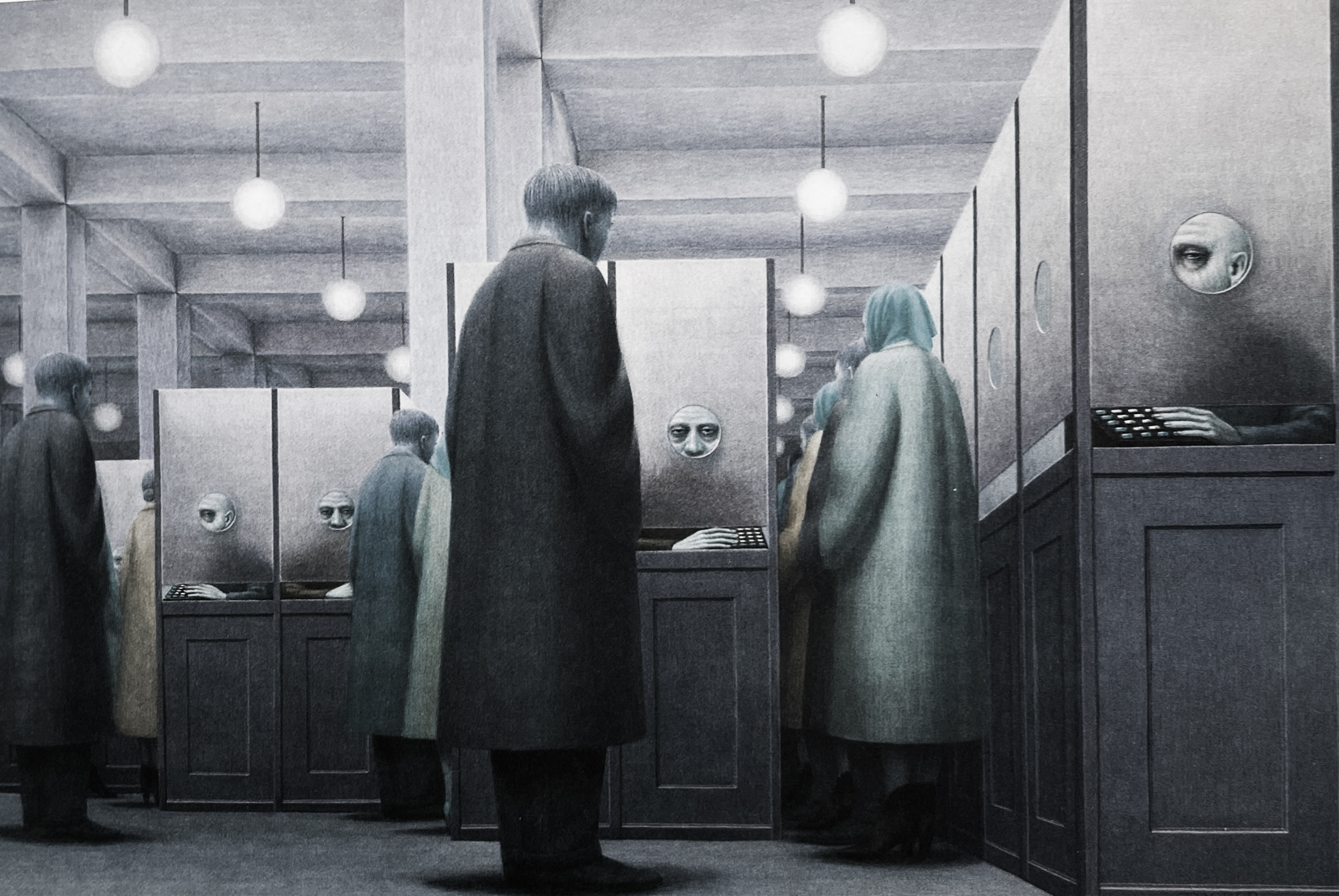
The Death and Evolution of Education – Part III: Maladapted Universities
This is the third in a four-part series on the Death and Evolution of Education, which seeks to explain why we cannot rely upon the university to provide the intellectual formation necessary for the common good, but must “evolve” a new approach to learning. Part I: Introduction can be found here, and Part II: The […]
On Perception and Reality
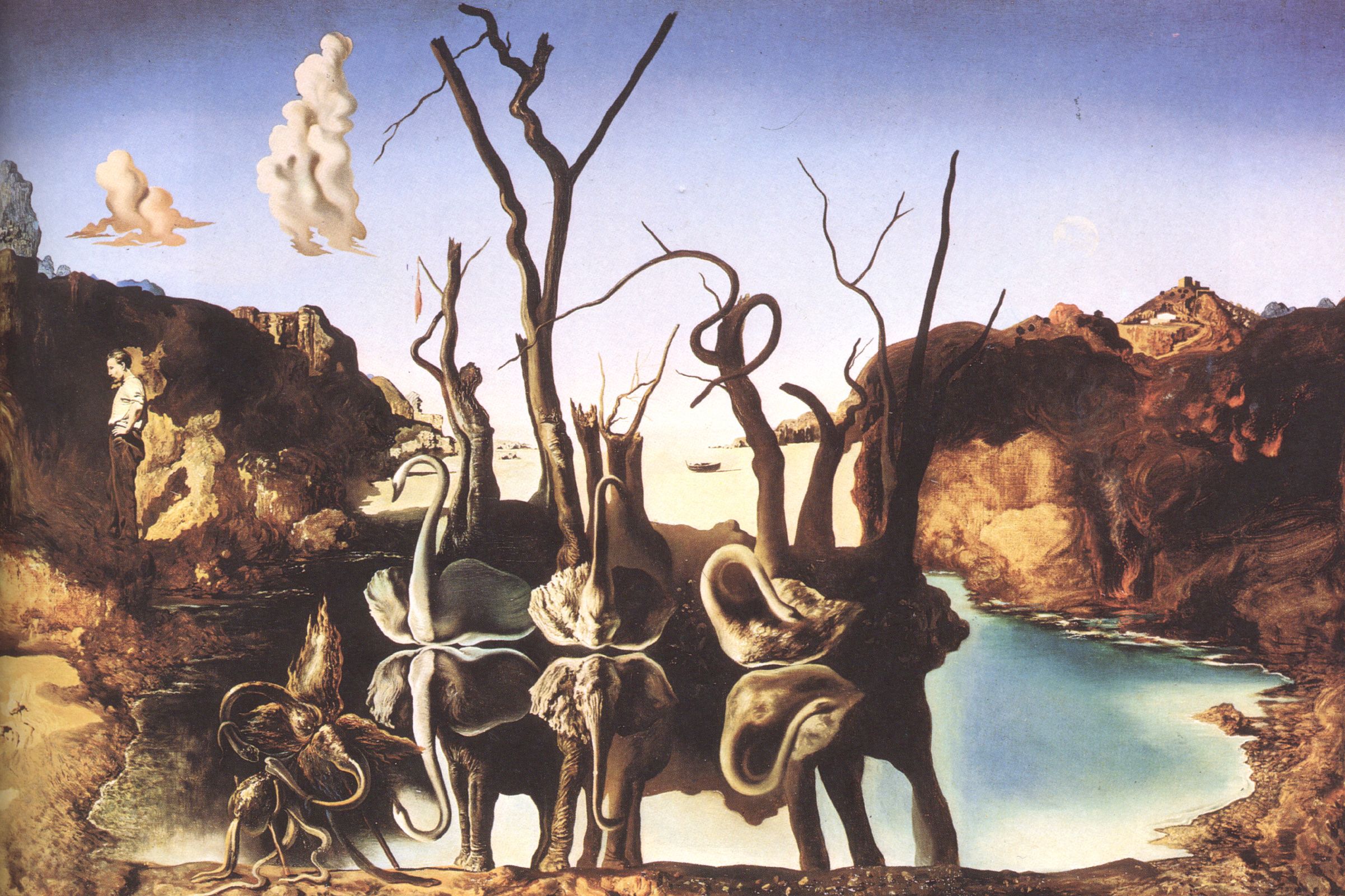
A Philosophical Happy Hour on theories of perception and their influence on our understanding of reality. What if the world you believe yourself to see, to hear, and to touch isn’t the world at all, but only a clever illusion fabricated by your brain? The familiar colors, sounds, and textures that feel so immediate—it has […]

The Death and Evolution of Education – Part II: The Hostile Environment
This is the second in a four-part series on the Death and Evolution of Education, which seeks to explain why we cannot rely upon the university to provide the intellectual formation necessary for the common good, but must “evolve” a new approach to learning. Part I: Introduction can be found here. In this, Part II: […]
Subsidiarity: Worth More than Money
There are certain goods for a human being which cannot be bought, and that we destroy when we try to purchase them: goods such as love, friendship, justice—and indeed, education. What happens when we turn these into products?
On Cognitive Security
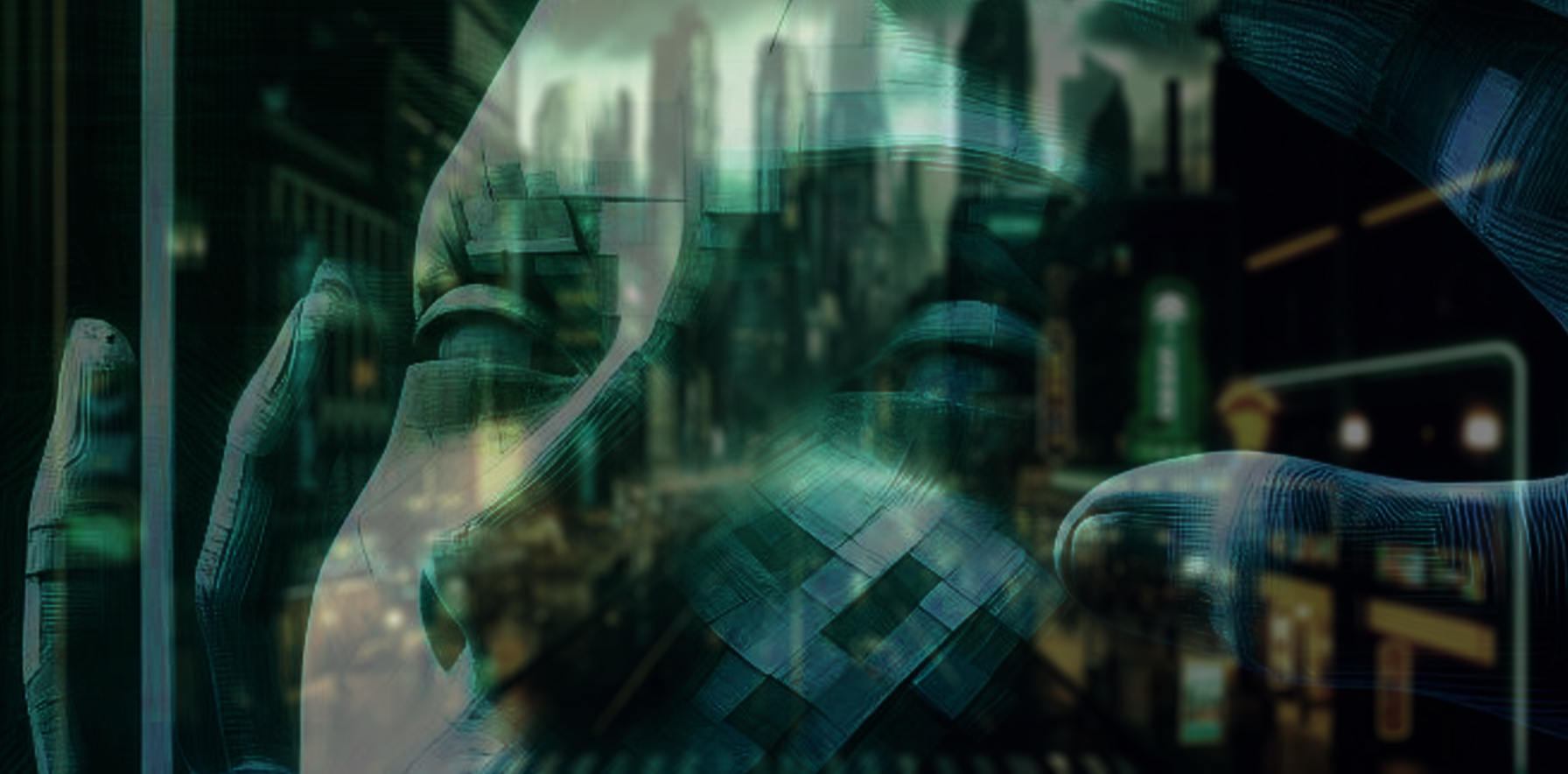
A Philosophical Happy Hour on the cognitive threats we face in an increasingly interconnected and digital world—and the possible solutions or approaches to them (the “security”). It is mid-2020 and you cannot shake the feeling that you are not getting the whole story. We are told that a lethal virus is raging across the global. […]
Passion and the Capture of Reason
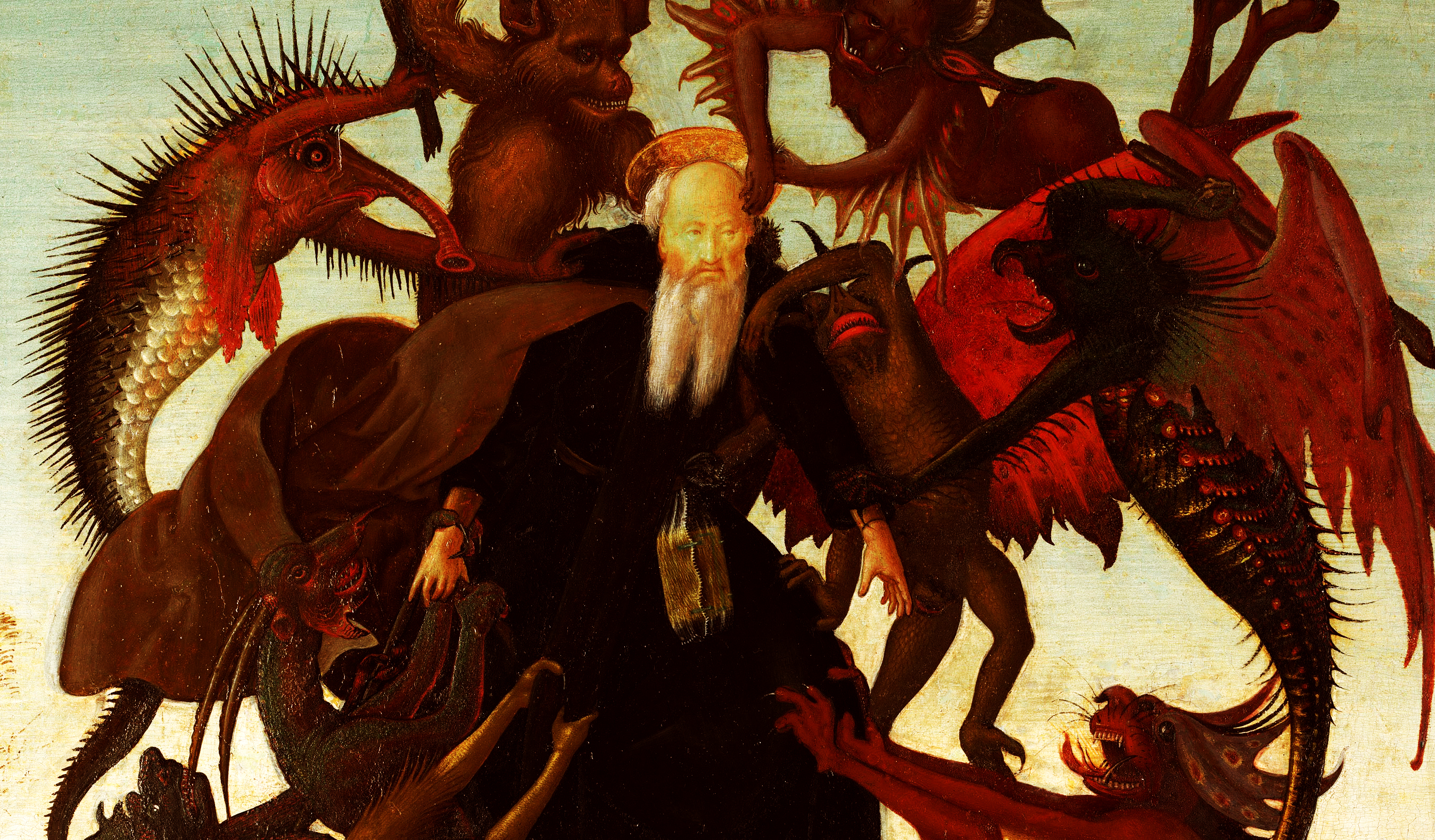
A Philosophical Happy Hour on the ways in which passion may capture and distort our exercise of reason—or, in proper subordination, affect a coherence of our persons Thinking clearly. It seems a vanishingly rare virtue. Ours is a reactionary time. Reaction, however, seldom comes from the clear light of reason—but rather from the murky vapors […]

Lecture: You Are Not Your Own: a phenomenological investigation of embodiment
Last year, the Lyceum Institute again hosted Dr. Steven DeLay (Research Fellow, Global Centre for Advanced Studies, Dublin and Tutorial Fellow, Ambrose College, Woolf University) in presenting his research. A prolific author and expert in French phenomenology, we are delighted to have Dr. DeLay contributing to our colloquia for the second year in a row. […]
Linguistic Signification: A Classical and Semiotic Course in Grammar & Composition
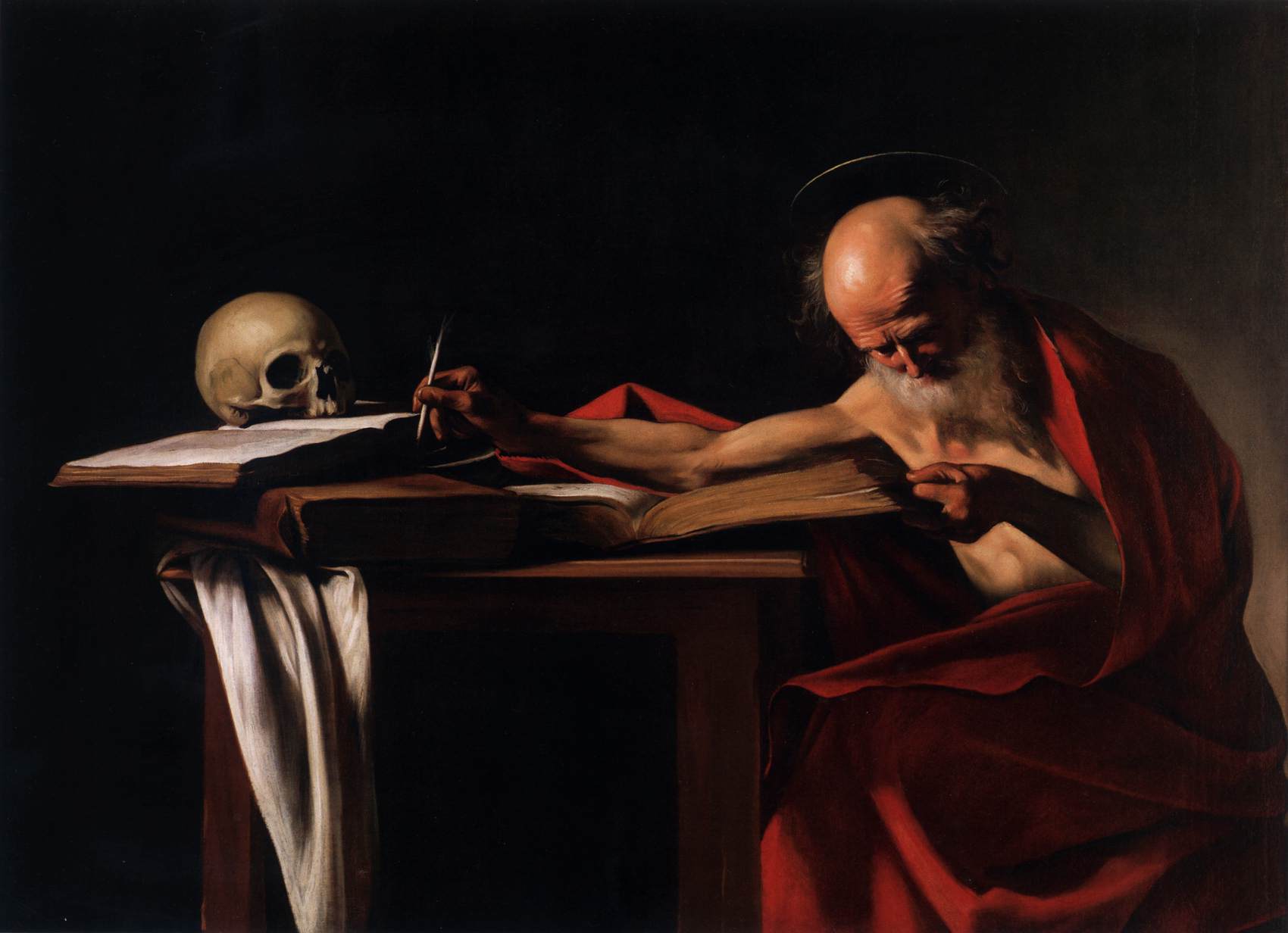
New! The second, greatly expanded edition—for those who seek not mere correctness, but understanding. In a world that ignores education in grammar—first, reducing it to mere “correctness” and, second, outsourcing the verification of that correctness to digital technologies—Linguistic Signification offers something far more substantial: an integrated education in the principles of language itself. This text […]

Lecture: The Centrality of Noble Goods for Human Flourishing
Last year, the Lyceum Institute hosted Dr. Daniel De Haan (Frederick Copleston Senior Research Fellow & Lecturer in Philosophy & Theology in the Catholic Tradition Blackfriars and Campion Hall / Research Fellow, Ian Ramsey Centre for Science and Religion, Faculty of Theology and Religion, University of Oxford) for a colloquium presentation on “The Centrality of […]
Historic Foundations
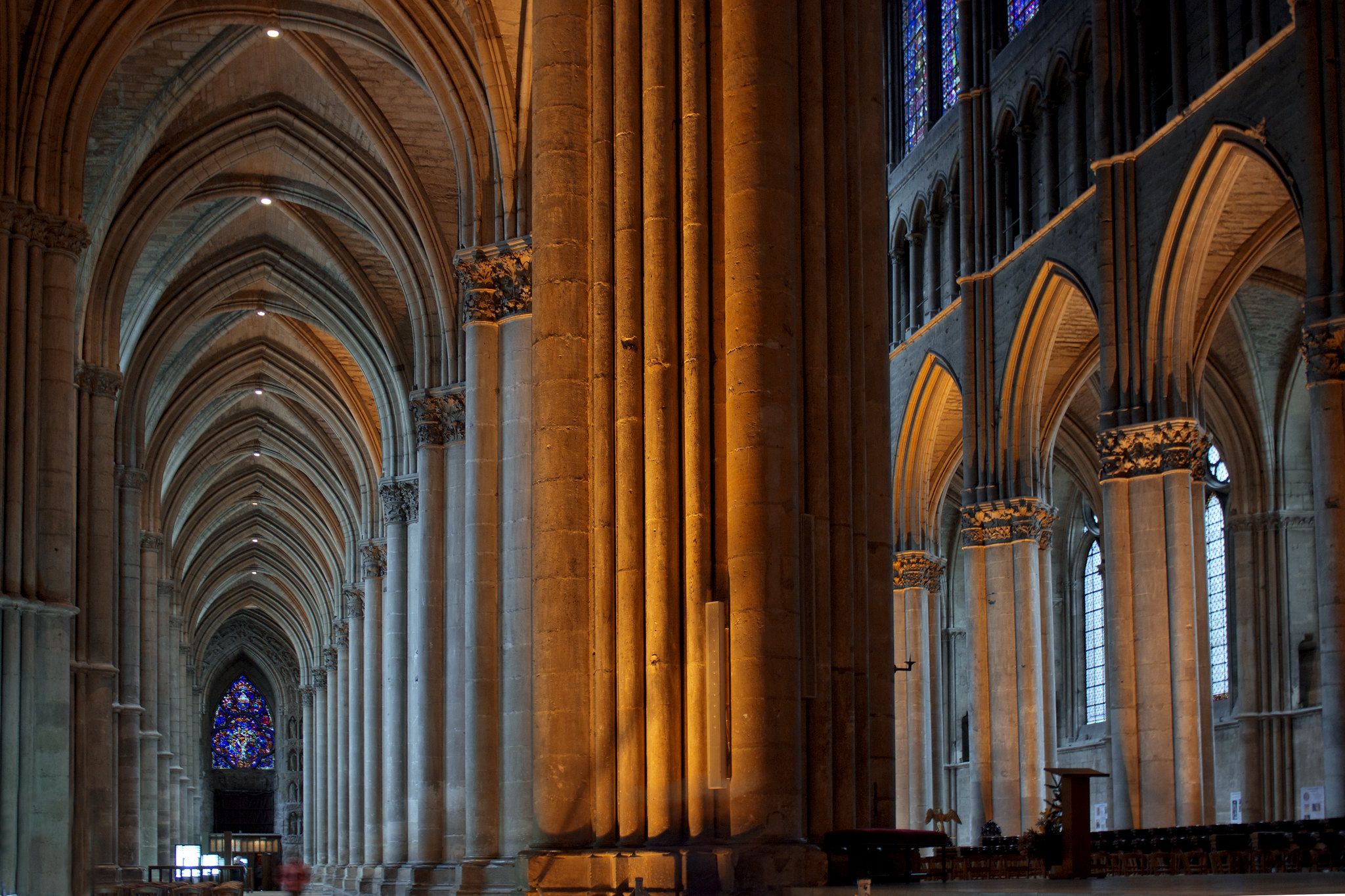
When we think of a Gothic cathedral, we tend to think upward: the spires of Cologne, the ascendant arches of Reims or Amiens; or the upward-soaring buttresses of Notre Dame de Paris; or the way one’s eyes are drawn along the high vault of a nave to the transepts or chancel. Perhaps we think of […]